

Who Really Sets PHP Interest Rates—BSP or the Fed?
In the world of Philippine finance, a common question echoes from the boardrooms of Makati to the markets of Quiapo: Who is actually in the driver’s seat of our interest rates?
On paper, the Bangko Sentral ng Pilipinas (BSP) holds the wheel. But in reality, the U.S. Federal Reserve (the Fed) often acts as the "GPS" that the BSP finds very difficult to ignore. As we navigate the first quarter of 2026, the tug-of-war between these two central banks has never been more apparent.
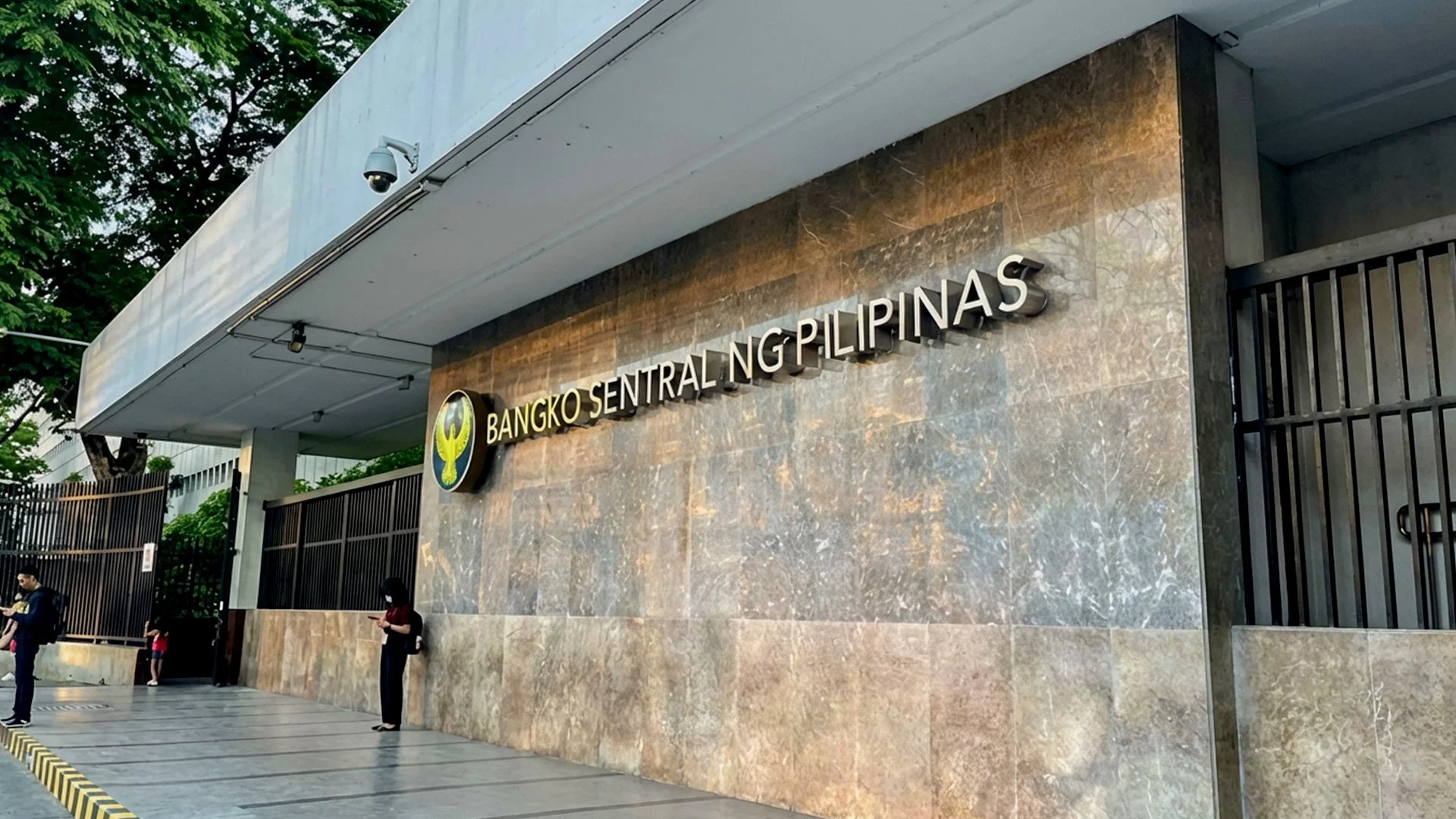 https://images.squarespace-cdn.com/content/619b666b5842697e2af69258/a9d57b27-4fad-4532-874a-89133d6a85bc/P477.02.jpg?content-type=image%2Fjpeg
1. The BSP: The Master of Domestic Stability
The BSP’s primary mission is Price Stability. Under Governor Eli Remolona Jr., the Monetary Board looks at local data to decide if you pay more for your car loan or receive more on your savings.
The 2026 Easing Cycle: After a sluggish Q4 2025, the BSP has been on a "pro-growth" path. As of February 2026, the policy rate sits at 4.5%, following a series of 200-basis-point cuts that began in late 2024.
Local Triggers: The BSP moves when Philippine inflation (currently projected between 1.4% and 2.2% for January 2026) stays low, or when GDP growth needs a "shot in the arm."
2. The Fed: The Global Gravity Well
If the BSP is the driver, the Fed is the weather. Because the US Dollar is the world’s reserve currency, when the Fed raises or lowers its rates (currently in the 3.5%–3.75% range), it creates a global ripple effect.
The Interest Rate Differential: This is the magic number. Historically, the BSP likes to keep its rates at least 100 to 125 basis points higher than the Fed's.
Why? If Philippine rates are too close to US rates, investors would rather keep their money in "safer" US Dollars. This leads to Capital Outflow, which causes the Peso to crash.
3. The "Shadow" Mandate: Defending the Peso
While the BSP officially targets inflation, they are always watching the USD/PHP exchange rate.
The ₱60.00 Limit: In late January 2026, the Peso flirted with all-time lows of ₱59.46. Governor Remolona recently noted that while they don't target a specific level, they will intervene to prevent "sharp movements."
The Fed's "Pause" Problem: If the Fed stops cutting rates (which it did in January 2026), it limits how much further the BSP can cut. If the BSP cuts to 4.0% while the Fed stays at 3.75%, the 25-bp gap would be the lowest on record—likely sending the Peso past the ₱60.00 mark.
4. 2026 Outlook: Same Moves, Different Tunes
As of February 3, 2026, we are seeing a "Delicate Balancing Act."
BSP Stance: Governor Remolona has signaled that the easing cycle is "nearing its end." A February 19 rate cut is now only a "maybe" because the BSP needs to protect the Peso from the Fed's cautious stance.
The Verdict: The BSP sets the actual rate, but the Fed sets the boundary. The BSP can move independently only as long as it doesn't stray so far that it breaks the Peso.


The GME Academy Analysis: "Watch the Gap"
At Global Markets Eruditio, we tell our students: Don't just watch the BSP headlines; watch the Fed's shadow. In 2026, the "Interest Rate Differential" is the single most important metric for anyone trading the Peso or looking for a home loan.
Are You Prepared for a "Higher for Longer" Peso? With the BSP nearing the end of its rate-cutting cycle, the window for low-interest loans may be closing. If the Fed stays hawkish, the BSP's hands are tied.
Join our FREE Forex Workshop. Learn how to track the Fed and BSP meetings in real-time. We’ll teach you how to calculate the "Yield Spread" and predict Peso movements before the news hits the mainstream media.
