

Trump’s Most-Favored-Nation Drug Plan: A Price Revolution or Political Gamble?
A New Era of Drug Pricing in America
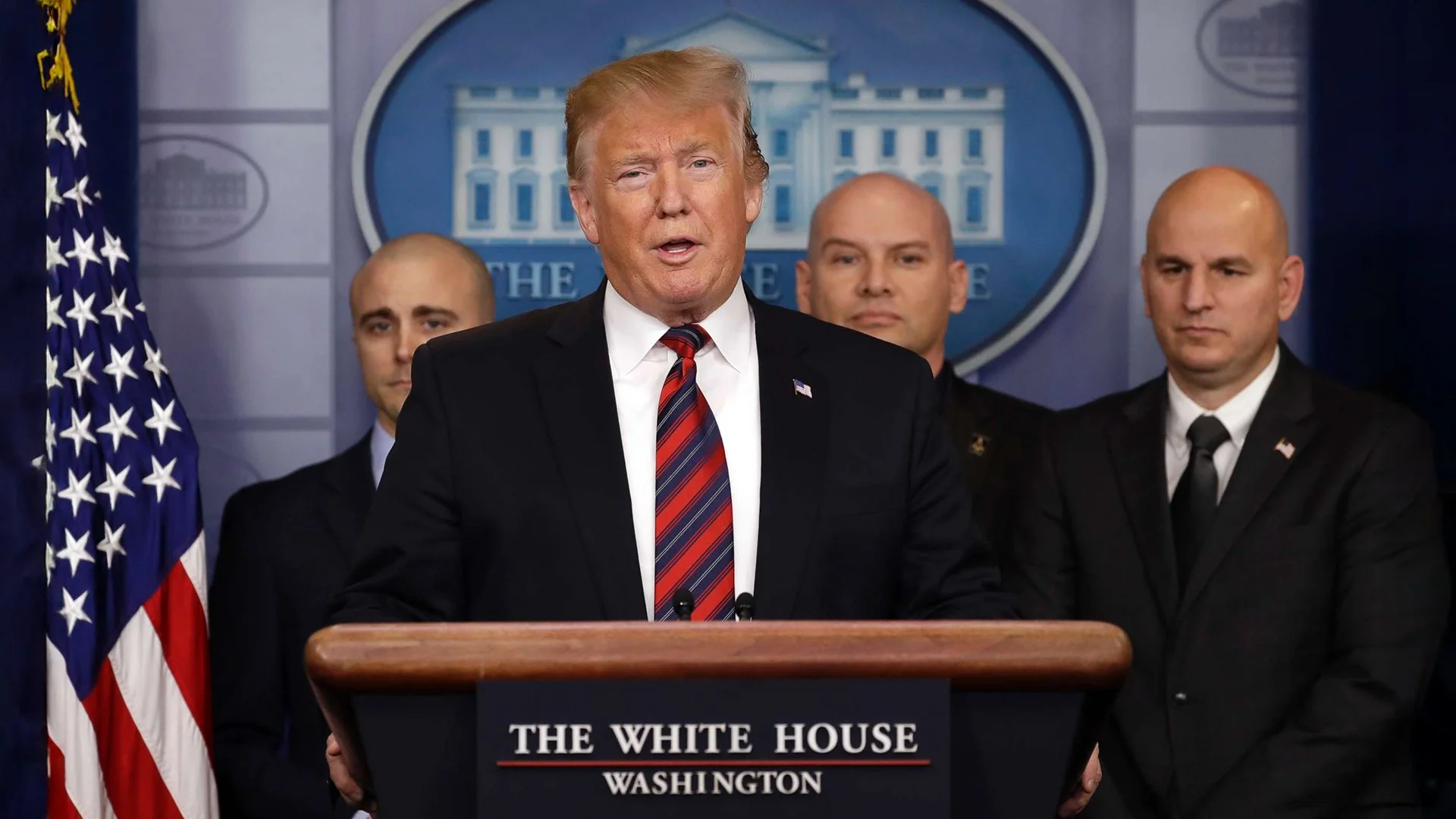
In a move that could reshape the U.S. healthcare and pharmaceutical landscape, President Donald J. Trump has announced historic agreements with major drug manufacturers Eli Lilly and Novo Nordisk—a bold step under his “Most-Favored-Nation (MFN) Pricing” initiative.
Under this plan, the prices of some of America’s most expensive and widely used medications, such as Ozempic, Wegovy, and Zepbound, will be slashed by more than 60% when purchased through TrumpRx, the newly unveiled prescription platform.
These reforms, the administration claims, will “end global freeloading” by ensuring that Americans no longer pay higher prices than other developed nations for the same drugs.
Massive Price Cuts on Life-Changing Medications
The agreements mark a turning point for patients struggling with diabetes, obesity, and heart disease, as the administration unveils the following price cuts:
Ozempic: from $1,000/month to $350
Wegovy: from $1,350/month to $350
Zepbound and Orforglipron: down to $346, pending FDA approval
Future GLP-1 oral medications: starting at $150 per month
Moreover, Medicare will cover these drugs at $245 per month—less than half of what the Biden Administration previously proposed—while Medicaid programs nationwide gain access to the same pricing.
This move also brings new coverage for obesity treatments, long excluded from Medicare benefits. Beneficiaries will pay just $50 in monthly co-pays, making cutting-edge treatments more accessible than ever.
For context, GLP-1 drugs such as Ozempic and Wegovy are considered among the most powerful tools in combating obesity and metabolic diseases, conditions affecting nearly 40% of American adults, according to the CDC.
Boosting U.S. Manufacturing and Supply Chain Security
Alongside the price reforms, both Eli Lilly and Novo Nordisk announced massive new investments in U.S. manufacturing capacity—a move touted as part of Trump’s “Make America Healthy Again” strategy.
Novo Nordisk will invest $10 billion to expand domestic production, including U.S.-made Wegovy tablets (pending FDA approval).
Eli Lilly committed $27 billion to new facilities aimed at strengthening the pharmaceutical supply chain and ensuring greater self-reliance.
These investments signal a reshoring trend in pharma manufacturing, aimed at reducing America’s dependence on foreign supply chains—a priority reinforced during the COVID-19 pandemic.
Ending “Global Freeloading” on U.S. Consumers
One of Trump’s strongest talking points centers on ending global price imbalances in pharmaceuticals. According to the administration:
Americans pay three times more for brand-name drugs than citizens of other OECD nations.
The U.S. accounts for less than 5% of the world’s population but 75% of global pharmaceutical profits.
American taxpayers effectively subsidize lower prices abroad through inflated domestic drug costs.
Trump’s MFN initiative aims to rebalance this equation by ensuring Americans pay no more than the lowest prices charged in other advanced economies.


Economic and Market Implications
While the policy’s social benefit—lowering drug costs for millions—is clear, its economic implications ripple across multiple sectors.
Investors, traders, and policymakers alike are watching how pharmaceutical stocks, the U.S. dollar (USD), and even healthcare-linked currency pairs such as USD/CAD or EUR/USD might react.
For Forex traders, major government policies that impact healthcare spending can influence national budgets, inflation forecasts, and investor confidence. The combination of domestic investment and pricing reform could strengthen short-term USD sentiment, though pharmaceutical sector volatility remains likely.
This is where institutions like Global Markets Eruditio (GME Academy) emphasize the importance of staying informed—linking economic policy awareness with smart trading decisions.
A Turning Point for American Healthcare
The Most-Favored-Nation Pricing policy may mark the beginning of a broader structural change—where public health priorities intersect with market realities. By forcing transparency in global pricing and incentivizing local production, the Trump administration positions the U.S. as both a consumer and producer powerhouse in healthcare innovation.
However, critics argue that the plan could face implementation hurdles, particularly around FDA approvals, insurance transitions, and potential resistance from global pharmaceutical alliances.
Still, the administration’s message is clear: “No more Americans paying four times what others do for the same medicine.”
Learn How Policy Moves Shape Forex Markets
For traders, investors, and curious learners, understanding how major economic and policy developments—like the MFN drug pricing initiative—affect currencies and markets is essential.
At GME Academy (Global Markets Eruditio), we break down real-world events into actionable market insights. Learn how policies, healthcare economics, and government spending translate into forex opportunities across pairs like USD/CAD, EUR/USD, and GBP/JPY.
Join our FREE Forex workshop today and discover how to turn global headlines into trading strategies.
