

Strait of Hormuz Paralysis: Araghchi Denies Closure as Tanker Attacks Trigger Global Oil Panic
In a day of extreme volatility for global energy markets, Iranian Foreign Minister Abbas Araghchi issued a formal statement on Monday, March 2, 2026, asserting that the Islamic Republic has "no intention" of closing the Strait of Hormuz.
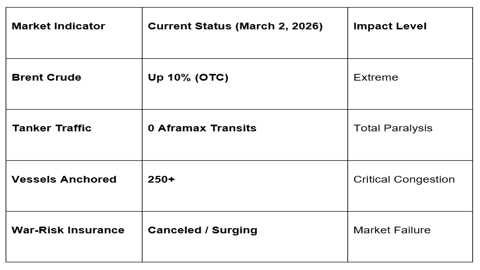
However, the reality on the water tells a far more perilous story. Despite the diplomatic rhetoric, the world’s most critical oil chokepoint has reached a state of de facto paralysis. Not a single Aframax-class tanker or larger vessel is currently attempting to transit the Strait, as a series of maritime attacks and soaring insurance costs have effectively shuttered the corridor.
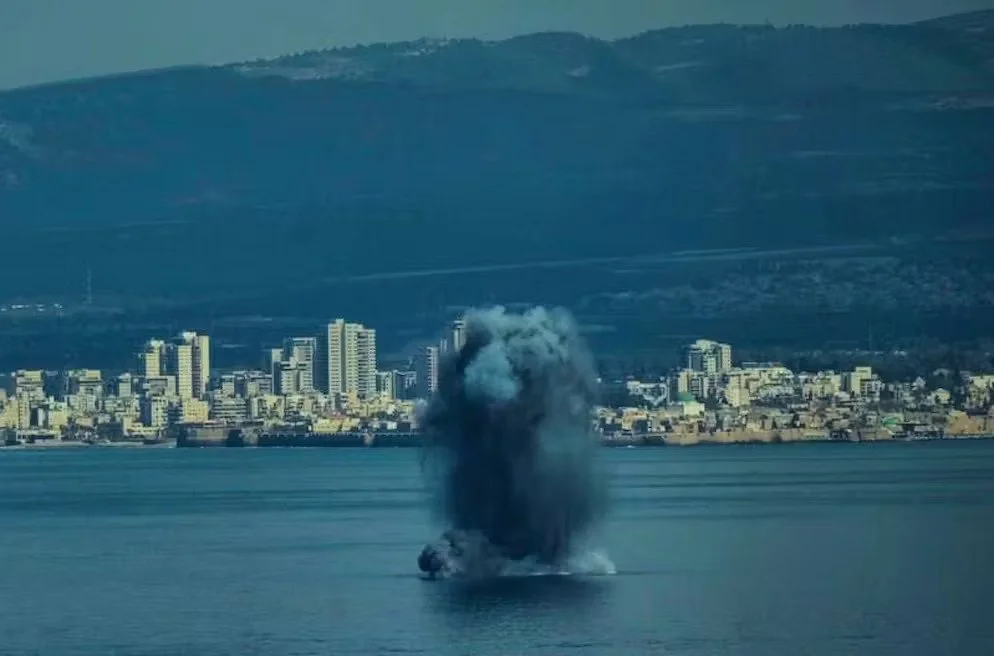
1. Vessels Ablaze: The Attacks on "MKD VYON" and Others
The maritime crisis escalated rapidly following the death of Ayatollah Khamenei. According to MarineTraffic, at least two major vessels are currently on fire in or near the shipping lane.
MKD VYON Under Attack: A second vessel, identified as the MKD VYON, was reportedly struck near the Strait, following an earlier attack on a vessel near the coast of Oman.
Shipping Suspension: Global logistics giant Maersk has officially suspended all transits through the route. They join a growing list of oil and gas majors and commodity traders who have deemed the passage too dangerous for crew and cargo.
2. The "Ghost Fleet" and Insurance Collapse
While the Strait remains technically "open" per Iranian officials, the commercial infrastructure supporting the route has collapsed.
Anchored in Limbo: Over 250 ships are currently anchored across the Persian Gulf and near the coast of the United Arab Emirates (UAE), unwilling to run the gauntlet of the Strait.
Insurance Exodus: War-risk insurers have begun canceling coverage for ships intending to enter the Strait. For those still offering coverage, premiums have surged to "prohibitive" levels, making the cost of a single transit economically unviable for most operators.
The "No-Go" Zone: Port data shows that no tankers of Aframax size (80,000–120,000 DWT) or larger are even attempting to approach the entrance to the Gulf, effectively cutting off the primary exit for Saudi, Kuwaiti, and Iraqi crude.
3. Market Shock: Brent Crude Spikes 10%
The disruption of a corridor that handles roughly 20% of the world's total oil consumption has sent shockwaves through financial centers.
Price Surge: Brent Crude oil prices spiked 10% in over-the-counter (OTC) trading immediately following the reports of the second tanker fire.
Gas Price Warnings: Energy analysts warn that if the "de facto closure" lasts for more than 72 hours, retail gasoline and heating oil prices in Europe and Asia could see double-digit percentage increases by the end of the week.


GME Academy Analysis: "The Invisible Blockade"
At Global Markets Eruditio, we are defining this as an "invisible blockade"—where the physical lane is open, but the financial and safety risks create a total barrier to trade.
Trader's Takeaway for March 2026:
Energy Bull Run: As long as tankers remain anchored and insurers refuse coverage, there is no ceiling for Crude Oil prices. We are closely watching the $100/bbl psychological barrier for Brent.
Shipping Equities: Companies with exposure to alternative routes or those benefiting from record-high spot rates for non-Gulf transits may see speculative buying, while tanker firms heavily reliant on Middle East liftings will face significant headwinds.
The "Araghchi Factor": The Foreign Minister's comments suggest Iran wants to avoid a direct military confrontation with the U.S. Navy over a formal blockade, but the IRGC's "proxy" or "deniable" attacks are achieving the same economic result.
Join our FREE Macro Workshop at Global Markets Eruditio!
Is the $120 Oil scenario back on the table? We’ll analyze the Hormuz Chokepoint Logistics and show you how to trade the Energy Sector as the Middle East crisis deepens.
