

Diplomatic Breakthrough in Geneva: Oman Reports "Significant Progress" in US-Iran Talks
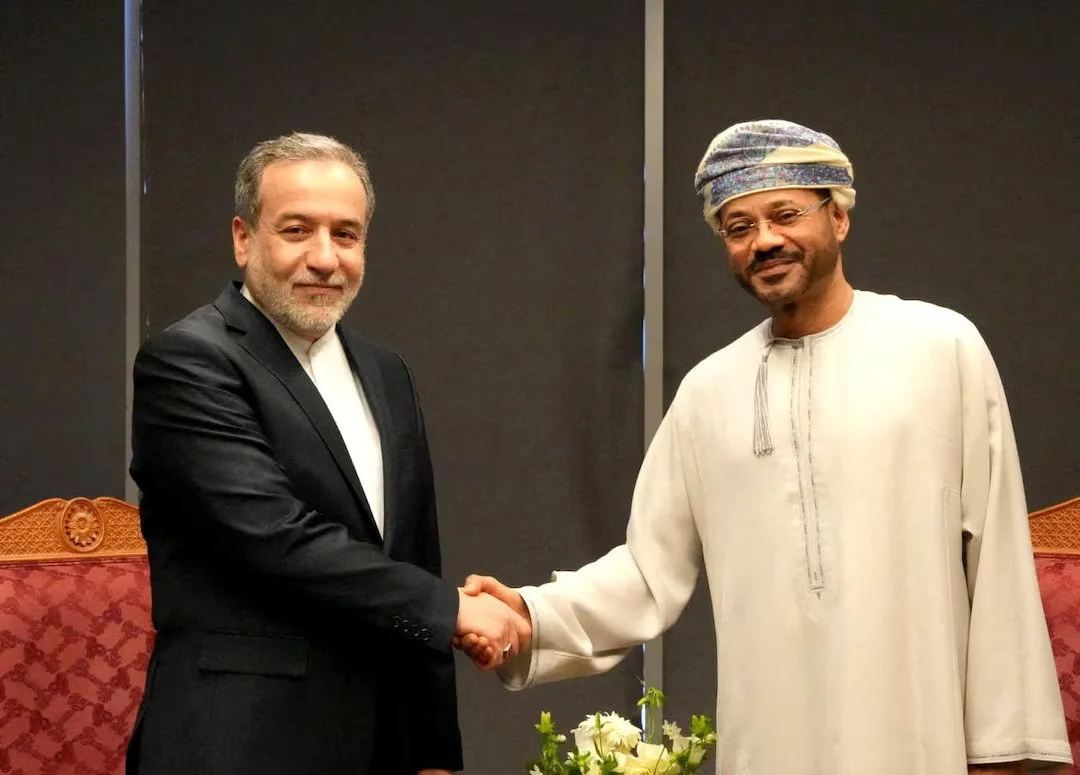
In a major development for Middle Eastern stability, Omani Foreign Minister Sayyid Badr Albusaidi confirmed on Thursday, February 26, 2026, that the latest round of indirect negotiations between the United States and Iran has achieved "significant progress."
The high-stakes talks, mediated by Oman and hosted in Geneva, concluded with both sides agreeing to resume discussions shortly after internal consultations in their respective capitals. Technical reviews are already scheduled to begin next week in Vienna, the headquarters of the International Atomic Energy Agency (IAEA).
1. "Unprecedented Openness" Amid Rising Stakes
The negotiations come at a precarious time, with a massive U.S. military buildup in the region and lingering threats of military action if diplomacy fails. However, the tone from Geneva was unexpectedly optimistic.
Creative Solutions: Minister Albusaidi noted on X (formerly Twitter) that both delegations demonstrated "unprecedented openness to new and creative ideas and solutions."
Serious Engagement: Iranian Foreign Minister Abbas Araghchi echoed this sentiment, stating that the talks "entered into the elements of an agreement very seriously," particularly regarding nuclear restrictions and the lifting of economic sanctions.
The "Third Round" Milestone: This Geneva meeting marks the third round of indirect talks in recent weeks, showing a sustained diplomatic momentum that had been absent for much of 2025.
2. Key Players and the Vienna Transition
The talks featured high-level representation from the Trump administration and Tehran, signaling the priority both nations are placing on avoiding a full-scale conflict.
The Negotiators: The U.S. delegation was led by Presidential Special Envoy Steve Witkoff and Jared Kushner, while Iran was represented by Foreign Minister Araghchi.
The Technical Bridge: IAEA Chief Rafael Grossi reportedly joined the discussions to assist with the technicalities of nuclear verification. This sets the stage for the Vienna meetings starting Monday, March 2, which will focus on the mechanics of uranium enrichment limits.
3. Remaining Hurdles: Nuclear vs. Non-Nuclear
While "significant progress" was reported, fundamental gaps remain that will test the "patience" of both administrations.
Scope of the Deal: The U.S. continues to press for a permanent deal that includes curbs on Iran's ballistic missile program and regional proxy support.
The Iranian Position: Tehran maintains that the negotiations should remain strictly focused on nuclear activities and the immediate removal of sanctions that have crippled its economy.
Economic Pressure: Analysts point to Iran’s domestic challenges—including rolling blackouts and a need for foreign investment—as a primary driver for their "tactical flexibility" in this round of talks.


GME Academy Analysis: "A Volatile Peace"
At Global Markets Eruditio, we are monitoring the "Oman Progress" as a critical pivot for energy markets and safe-haven assets.
Trader's Takeaway for February 2026:
Oil Prices (WTI/Brent): The "significant progress" headline acted as an immediate cooling agent for the geopolitical risk premium in crude oil. If a framework is announced in Vienna next week, we could see a further slide in prices toward the $65-$68 range.
Gold and the USD: Safe-haven demand for Gold softened slightly following the Omani statement. However, the USD remains supported by strong domestic labor data (see today's Jobless Claims report), creating a complex cross-current for the XAU/USD pair.
Market Sentiment: The decision by the U.S. team to continue talks rather than walk away is the most bullish signal for regional stability. It suggests that a "Grand Bargain" or at least a "Freeze-for-Freeze" agreement is now a statistical possibility.
Join our FREE Macro Workshop at Global Markets Eruditio! Is a US-Iran deal finally on the horizon? We’ll analyze the Vienna Technical Outlook and show you how to position your portfolio for the Oil and Gold volatility ahead.
