

Art and Antiques Drive UK Retail to Strongest Monthly Jump Since 2024
The British consumer started 2026 with an unexpected burst of energy, as retail sales volumes surged by 1.8% in January. According to the Office for National Statistics (ONS) report released on Monday, February 23, 2026, this marks the largest monthly increase since May 2024, signaling a robust—if somewhat eclectic—rebound for the UK high street and digital storefronts.
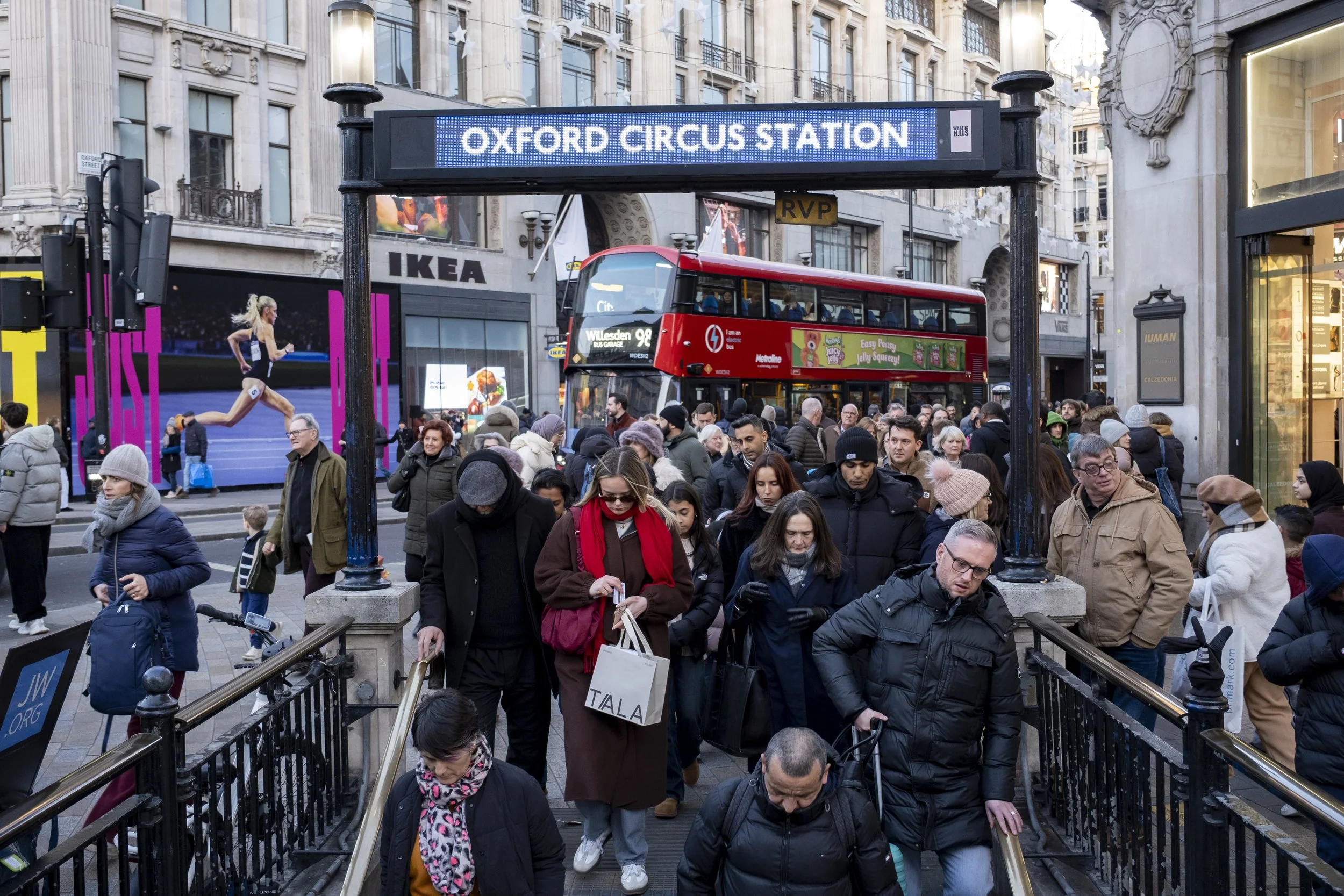
While heavy rainfall in January 2026 led to a decline in physical footfall, online demand for high-end luxury goods and a "January Sale" rush for furniture helped offset a sluggish month for supermarkets.
1. The "Luxury and Leisure" Boost
The January spike was not driven by the usual suspects of groceries or clothing, but by niche luxury markets and health-conscious consumers.
Art and Antiques: Auction houses and commercial art galleries reported a standout month, with high-value sales of artwork and antiques providing a significant lift to "other non-food" store volumes.
Online Jewelry & Supplements: Online jewelers reported "unprecedented" demand, continuing a strong streak from late 2025. Meanwhile, mail-order retailers saw a boost from the "New Year, New Me" crowd purchasing sports supplements.
Furniture and Tech: Household goods stores reported a successful January sale period, while computer and telecoms retailers maintained the sustained growth trajectory they have enjoyed since September 2025.
2. The Shift to Digital Resilience
Despite the return of in-store shopping over the past year, the digital economy remains the backbone of UK retail growth.
Online Spending Values: Rose by 1.3% in January and a staggering 14.7% compared to January 2025—the largest year-on-year rise since the pandemic recovery in April 2021.
The Weather Factor: The Met Office reported above-average rainfall in January 2026. This kept shoppers indoors, causing the proportion of online sales to remain high at 28.2%, even as total spending (in-store and online) rose by 1.6%.
Supermarket Slump: Food stores were the primary laggard, with falls in supermarket volumes partially offsetting the gains seen in high-end discretionary spending.
3. Three-Month Outlook: A Slow but Steady Climb
Looking at the broader trend, retail sales volumes rose by 0.1% in the three months to January 2026 compared with the previous three-month period.
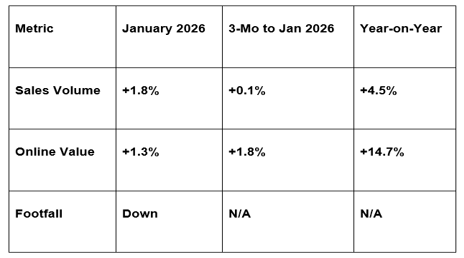
This 0.1% quarterly growth was supported by a rebound in automotive fuel sales, which recovered from a dip in October 2025, and strong November performance in the hardware sector.


GME Academy Analysis: "The Sterling Struggle"
At Global Markets Eruditio, we are analyzing these retail figures through the lens of a "two-speed" UK economy.
Trader's Takeaway for February 2026:
GBP/USD Outlook: The 1.8% monthly beat is a "hawkish" data point for the British Pound (GBP). It suggests that despite high prices, UK consumer demand is not collapsing. This may give the Bank of England (BoE) justification to maintain higher interest rates to ensure inflation continues its downward path.
The "Wealth Effect": The surge in jewelry and art sales suggests that high-net-worth consumers are still spending freely, even as the broader population feels the squeeze on grocery budgets. This "wealth divergence" is a key theme for 2026.
Retail Stocks: We are moving to Overweight Home Furnishings and Tech Retailers, as these sectors appear to be successfully capturing the "replacement cycle" demand early in the year.
Join our FREE Macro Workshop at Global Markets Eruditio!
Is the UK consumer back for good? We’ll break down the ONS Retail Volume vs. BoE Inflation Targets and show you how to trade the GBP during the "Antiques and Art" rally.
