

The Great Reconfiguration: Bank of Canada Charts a Path Through the Tariff Fog
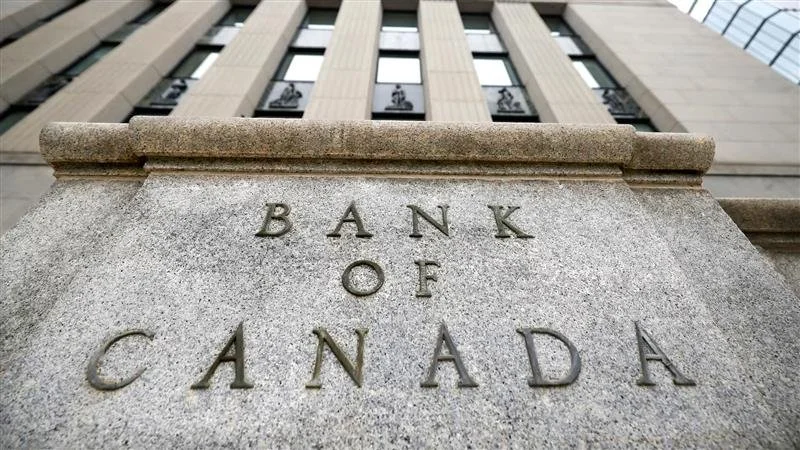
On Wednesday, January 28, 2026, the Bank of Canada (BoC) released its much-anticipated January Monetary Policy Report (MPR), providing a sobering roadmap for an economy currently caught in a "structural adjustment."
With Governor Tiff Macklem holding the policy rate steady at 2.25%, the report highlights a Canadian economy that is resilient but under heavy pressure from US trade policy. At the GME Academy, we view this report as a masterclass in "defensive macroeconomics." For Forex Trading, the message is clear: the Canadian Dollar (CAD) is entering a period of low-growth stability, where the "neutral rate" is the new normal.
1. The GDP Stalls: A Tale of Two Half-Years
The report reveals a volatile 2025. After a surprising 2.6% growth spurt in the third quarter, the Canadian economy likely stalled (0% growth) in the fourth quarter.
Why the slowdown?
The "Tariff Drag": US trade restrictions have already caused Canadian exports to fall 4% below pre-tariff levels.
Inventory Pullback: Businesses, uncertain about the future of the CUSMA (Canada-United States-Mexico Agreement) review, have stopped stockpiling goods.
Population Dynamics: A significant slowdown in population growth is now acting as a brake on potential output.
2. Inflation: The Balancing Act
While growth is modest, the BoC is winning the war on inflation. Headline CPI hit 2.4% in December 2025, but this was largely due to "base-year effects" (the end of the 2024 tax holiday).
The BoC's "Tug-of-War" Forecast:
Downward Pressure: "Excess supply" (more goods and workers than buyers) is keeping prices from spiraling.
Upward Pressure: The high cost of importing goods under new tariffs is pushing prices up.
The Result: The Bank expects inflation to hover right around the 2% target through 2027 as these two forces cancel each other out.
3. Labour Market: Softness Beyond the Surface
For common people, the "soft" labour market is the most tangible part of the report. While the economy added 190,000 jobs late last year, the unemployment rate remains at 6.8%.
Youth Hit Hardest: Employment for young Canadians remains a primary concern.
Wage Moderation: Wage growth has converged below 3%, which is good for stopping inflation but limits how much extra "spending power" households have in 2026.
4. Forex Focus: Trading the "Wait-and-See" Loonie
In Forex Trading for Beginners, a central bank "pause" usually leads to a range-bound currency. The BoC’s decision to keep rates at 2.25%—the bottom of its "neutral range"—suggests that the CAD has found its floor.


Key Trading Drivers for CAD in 2026:
The CUSMA Review: Any news regarding the trade agreement will move the USD/CAD more than interest rates will.
Oil Assumption: The BoC has lowered its oil price assumption to US$60 (Brent). If oil drops further, the Loonie will lose its primary commodity support.
Yield Convergence: Since the BoC is pausing while other banks (like the RBA) are hiking, the CAD may struggle against the AUD but remain stable against the USD as the Fed also looks toward a neutral stance.
The GME Academy Analysis: "Modest Growth, High Uncertainty"
At Global Markets Eruditio, we call this the "Year of Adjustment." Canadian businesses are busy seeking new suppliers and markets to bypass US tariffs. This reconfiguration takes time and capital, which means you shouldn't expect a "boom" in the Canadian economy until at least 2027.
Is Your Trading Strategy Ready for the "Neutral" Era? When central banks stop moving rates, the "Carry Trade" (which we covered in our previous article) becomes the dominant strategy. Learn how to profit from stability rather than just chasing volatility.
Join our FREE Forex Workshop. Learn how to trade the "Loonie" in a tariff-driven world. We’ll show you the specific technical levels to watch for USD/CAD and how to read the "CUSMA headlines" before the market reacts.
