

Bank of England Holds Firm: Bank Rate Maintained at 3.75% Amid Narrow 5–4 Split
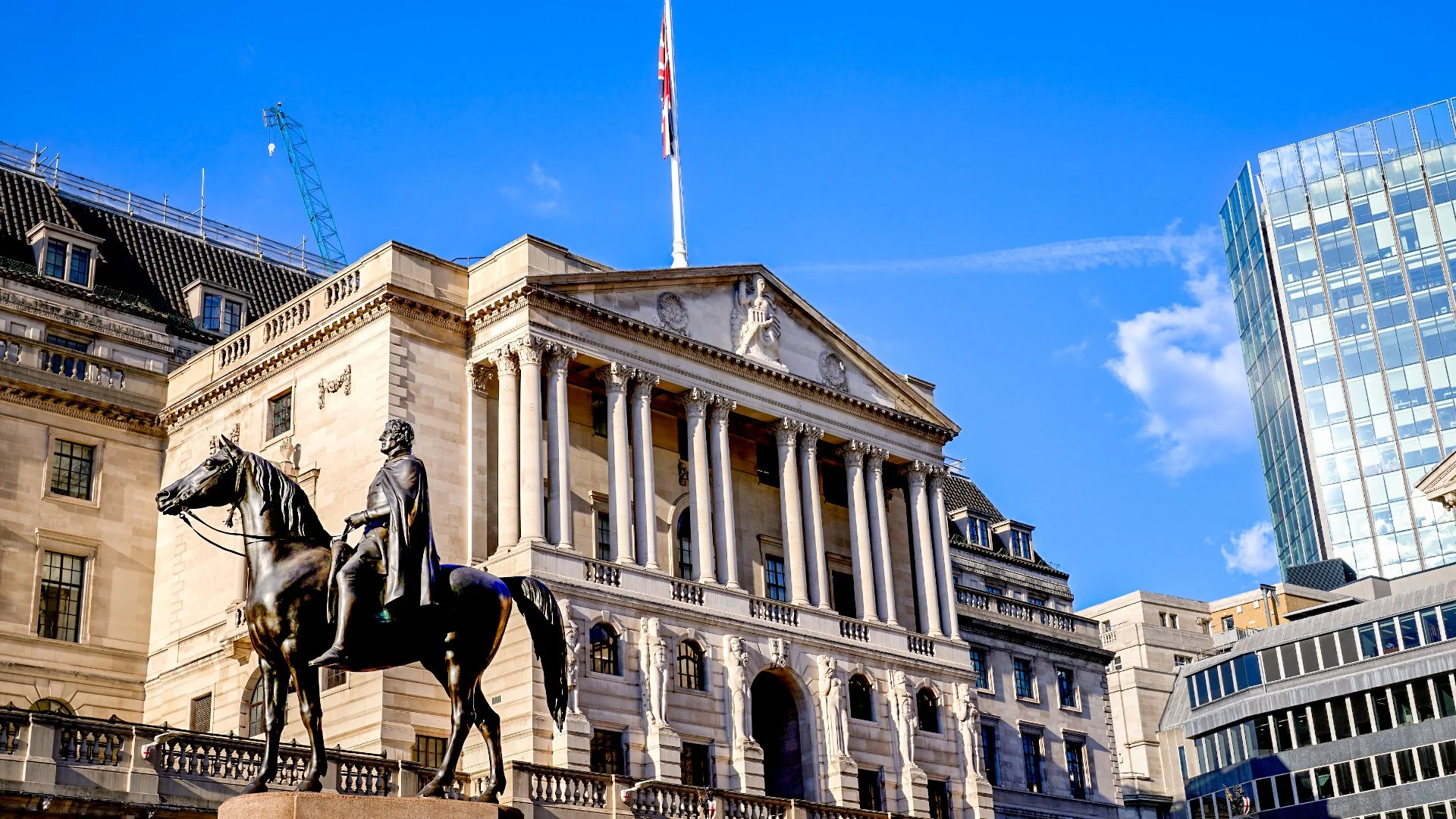
In a decision that highlights the growing tension within the UK’s monetary leadership, the Bank of England’s Monetary Policy Committee (MPC) voted on February 4, 2026, to maintain the Bank Rate at 3.75%. The decision was far from unanimous, with a razor-thin 5–4 majority opting for stability while a significant minority pushed for an immediate cut to 3.5%.
For the GME Academy, this "Hawkish Hold" serves as a masterclass in central bank psychology. While the Bank of England has already reduced rates by 150 basis points since the easing cycle began in August 2024, the "last mile" of disinflation is proving to be the most debated.
1. The Vote Split: A House Divided
The 5–4 vote is one of the most contentious in recent years, signaling that the MPC is at a crossroads regarding the health of the UK economy.
The Majority (5): Led by Governor Andrew Bailey, this group argued for caution. Despite inflation falling from 3.8% in September to 3.4% in December, they want "accumulating evidence" that wage growth and service prices will stay down once temporary energy subsidies from Budget 2025 fade.
The Minority (4): Members like Swati Dhingra and Alan Taylor argued that the Bank is being "too restrictive." They expressed concern that holding rates high for too long could cause an unnecessary "sharp downturn" in employment and activity, especially with unemployment already ticking above 5%.
2. Inflation Outlook: The "April Pivot".
The Committee’s central projection offers a beacon of hope for households: CPI inflation is expected to hit the 2% target by April 2026.
Energy and Fiscal Help: Much of this drop is attributed to lower energy prices and the lagging effects of the 2025 Budget.
The "Persistence" Risk: The primary fear for the "Hold" camp is that while headline inflation is dropping, Services Inflation and Wage Growth remain "above target-consistent levels."
Global Headwinds: The MPC noted that U.S. tariffs and cooling global demand are weighing on import prices, which helps lower UK inflation but also signals a slowing global engine.
3. The Labour Market: Building "Slack".
One of the most significant shifts in the February report is the acknowledgment of a loosening labor market.
Unemployment: Now standing at "just over 5%," the rise in joblessness suggests that the Bank's previous rate hikes are successfully cooling the economy.
Wage Settlements: The "Agents’ pay survey" showed settlements slowing to 3.4%, which is close to what the Bank considers sustainable for a 2% inflation target.
4. Forex and Market Impact: The "Higher for Longer" Pound
For Forex traders, the 5–4 split provided immediate support for the British Pound (GBP).
Yield Support: By not cutting rates, the BoE maintains a yield advantage over other central banks that may be easing faster.
The "Closer Call": The minutes explicitly state that further cuts are "likely" but will be a "closer call." This keeps the market guessing, preventing a sharp sell-off in Sterling.
Market Curve: Markets are currently pricing a path that stays around 3.75% through 2029, though the MPC noted that if downside risks to demand materialize, they may have to cut faster than the market expects.


The GME Academy Analysis: "Insurance vs. Inflation"
At Global Markets Eruditio, we teach our students to watch the "Dissenters." When four members of the MPC vote for a cut, it usually means a cut is coming in the next one or two meetings. The "Hold" today is essentially "Insurance" against a surprise inflation rebound.
How to Position Your Portfolio:
GBP Pairs: Look for strength in GBP/USD in the short term as the "Hold" surprises some dovish traders. However, be wary of the April inflation print—if it hits 2% exactly, the 5–4 split will likely flip to a majority for a cut.
UK Gilts: Yields may remain elevated as the "Higher for Longer" crowd within the MPC (Greene, Pill, Lombardelli) continues to demand more restrictive policy.
Join our FREE Central Bank Masterclass. Learn how to read the MPC Minutes like a pro. We’ll show you how to identify "Hawkish" vs. "Dovish" keywords and how to trade the GBP during the high-volatility window of a split-vote announcement.
