

Why the Swiss National Bank Froze Rates at 0%—And Why It Matters to You
The Swiss National Bank (SNB) has decided to keep its policy rate steady at 0%, even as global uncertainties rise and domestic inflation creeps up slightly. On the surface, this may seem like news that only bankers and economists should worry about. But the truth is, this decision affects not just Forex traders but also everyday citizens—from overseas Filipino workers (OFWs) sending money home to anyone watching how the USD/PHP exchange rate moves.
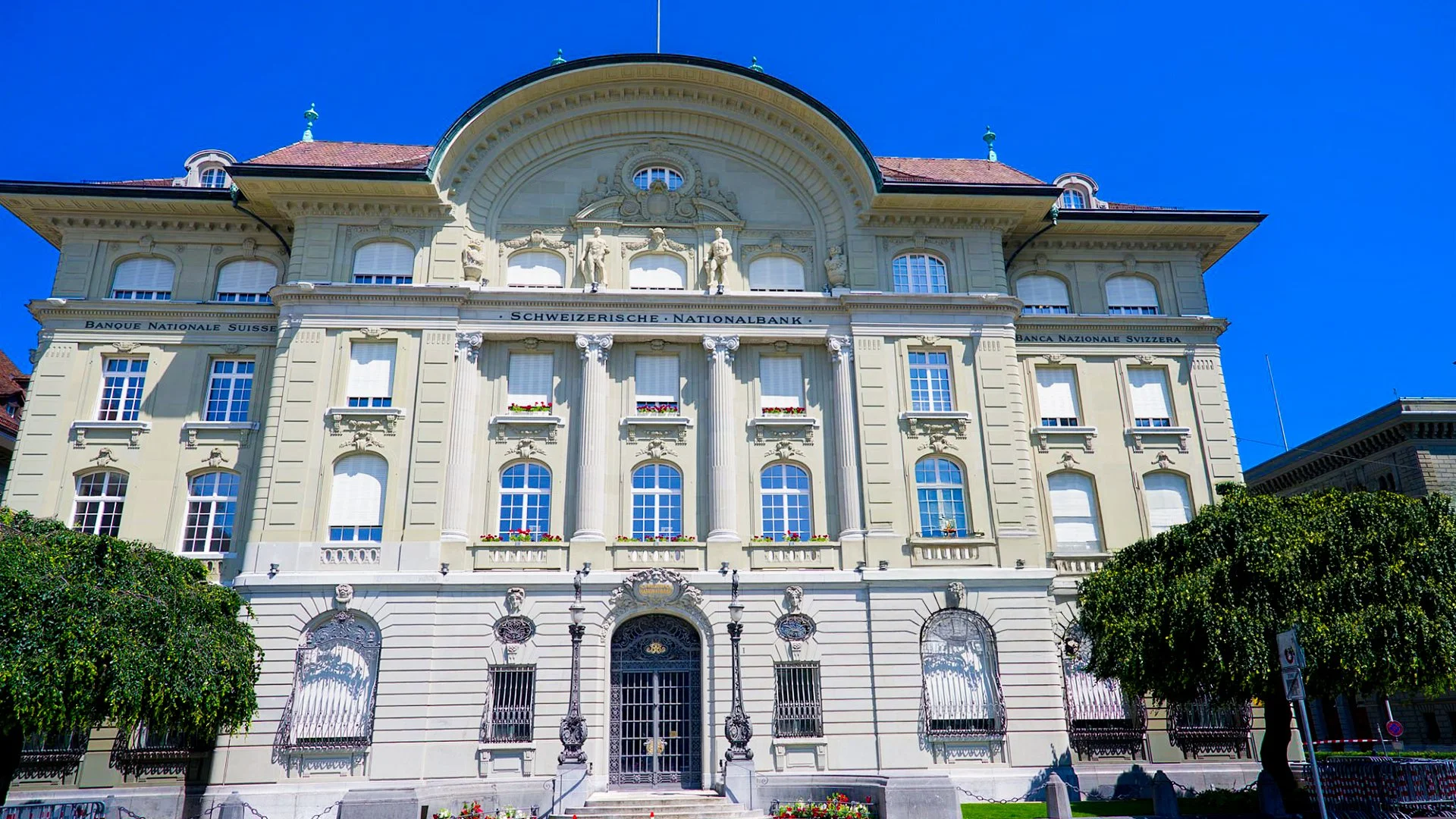
The SNB’s Decision, Explained in Simple Terms
Think of the interest rate as the “speed limit” for Switzerland’s economy. Raising it makes borrowing money more expensive, slowing things down. Lowering it makes borrowing cheaper—speeding things up. By keeping the policy rate at 0%, the SNB is saying: “We’ll keep the car moving at a steady pace, but we’re ready to step on the brake or the gas if conditions change.”
This cautious stance helps stabilize the economy and ensures inflation remains under control. It’s a balancing act that central banks around the world face—and one that directly influences the value of the Swiss franc (CHF).
Switzerland’s Inflation and Growth Snapshot
Inflation: Prices rose slightly, from -0.1% in May to 0.2% in August. The uptick comes mostly from higher costs in tourism and imported goods.
Forecasts: Inflation is expected to stay low at 0.2% in 2025, 0.5% in 2026, and 0.7% in 2027.
Growth: After a strong first quarter, Switzerland’s GDP expanded by just 0.5% in Q2 2025, showing signs of slowing momentum.
Risks: US tariffs are hurting Swiss exports, especially in industries like machinery and watchmaking, while unemployment is creeping higher.
Despite these challenges, Switzerland still expects 1%–1.5% growth for 2025, although growth in 2026 may dip below 1%.
Why Traders Are Paying Attention
In the world of Forex trading, the Swiss franc is seen as a “safe-haven currency”. This means that when global uncertainty rises, investors flock to CHF for safety—similar to how families save extra rice during storm season.
Here’s how the SNB’s steady rate decision plays out:
Short-Term: No surprises. Major pairs like USD/CHF and EUR/CHF may stay calm for now.
Medium-Term: If US tariffs increase or global growth slows further, demand for the franc could strengthen, pushing CHF higher.
Long-Term: Since the SNB doesn’t expect to raise rates through 2027, stability is likely—unless inflation rises sharply.
For Forex trading beginners, this means the franc’s movements are often driven more by global headlines than Swiss domestic data.
Reading the Numbers Made Easy
0% Policy Rate: Switzerland wants money to remain cheap to borrow, encouraging businesses to invest and consumers to spend.
0.2% Inflation Forecast: Prices are barely moving—showing the SNB has inflation under control.
1% Growth Forecast: Switzerland’s economy is still growing, but slower than before.
Think of Switzerland as a cautious driver: not speeding up, not hitting the brakes—just keeping steady while watching the road ahead.


Why It Matters to Filipinos
This isn’t just about Switzerland—it has ripple effects that touch Filipino lives:
For OFWs in Switzerland: A stronger CHF means more valuable remittances when converted into pesos.
For Travelers: If you’re earning in francs, your money goes further abroad. But for tourists visiting Switzerland, a strong franc makes trips more expensive.
For Peso Watchers: Safe-haven flows into CHF can affect the US dollar, which then influences the USD/PHP exchange rate back home.
Simply put: even if you’ve never traded Forex, decisions by the SNB can affect the value of money in your pocket.
What’s Next for the Franc?
The SNB is keeping its options open. It has made clear that it will intervene in the foreign exchange market if necessary. That means traders and ordinary citizens alike should stay alert:
If global uncertainty worsens, the franc could strengthen.
If trade tensions ease, the franc may soften slightly.
If inflation unexpectedly rises, the SNB could consider a rate hike—but for now, that looks unlikely.
Stay Informed, Stay Ahead
The SNB’s decision to hold rates steady is more than a headline—it’s a signal about how one of the world’s most stable economies is navigating turbulent times. For traders, it’s a reminder that the Swiss franc reacts strongly to global shocks. For ordinary citizens, it’s proof that global financial decisions can ripple all the way to the Philippines—affecting remittances, exchange rates, and even the cost of imported goods.
Stay updated with GME Academy (Global Markets Eruditio) for simple, practical breakdowns of global financial events. And if you’re ready to take the next step,
join our free Forex workshop—perfect for beginners and everyday Filipinos who want to learn how to read the markets and make smarter financial decisions.
