

Unpacking the Fed's Whisper: Is the US Dollar's Dominance Wavering as "Neutral" Nears?
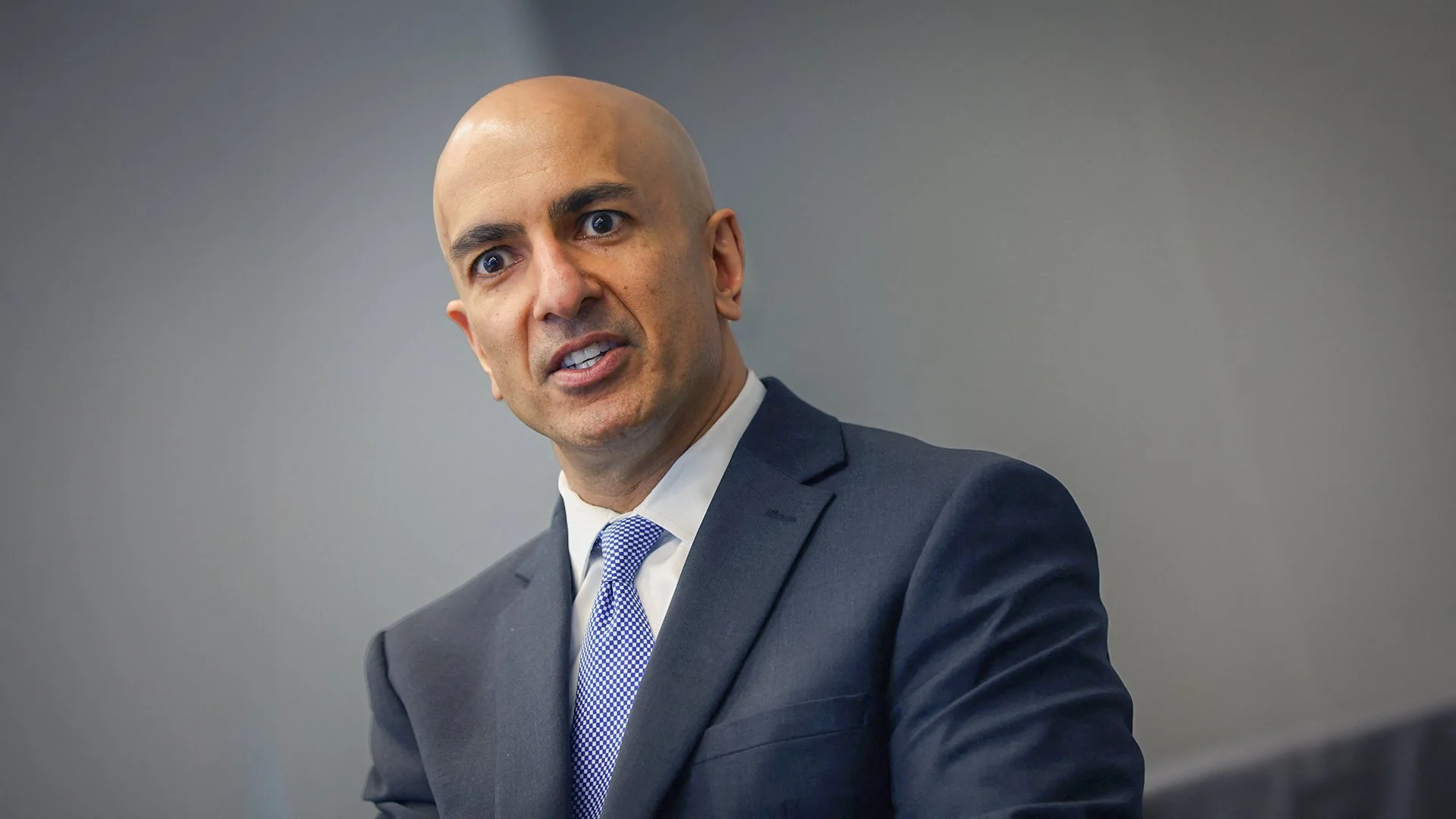
The intricate dance of global finance often hinges on the pronouncements of central bankers, and recent remarks from Minneapolis Federal Reserve President Neel Kashkari have sent ripples through the Forex world. His assertion that the U.S. job market is "clearly cooling" and that the federal funds rate is likely "close to neutral now" offers a nuanced, yet critical, perspective for anyone engaging in Forex Trading, from seasoned professionals to those exploring Forex Trading for Beginners. At GME Academy/Global Markets Eruditio, we believe understanding these subtle shifts is paramount to navigating the complexities of currency markets.
The Great Cooldown: What a Softening Job Market Means for the USD
Kashkari's unequivocal statement that there's "no question" the job market is cooling isn't just a domestic headline; it's a significant indicator for the US Dollar. A robust employment picture, characterized by strong hiring and wage growth, typically underpins a strong currency, as it signals economic health and potential for higher interest rates.
However, Kashkari anticipates a period of "low hiring but low firing," suggesting a stagnation rather than a collapse. For Forex traders, this subtle distinction is vital. A sudden surge in unemployment could trigger a sharp sell-off in the USD, while a gradual deceleration might lead to a more measured depreciation against other major currencies. Traders often look to data points like Non-Farm Payrolls (NFP) and unemployment rates, which directly reflect these labor market dynamics, to inform their positions on currency pairs like EUR/USD or GBP/USD. If the market perceives the Fed's dual mandate (price stability and maximum employment) as tipping towards concerns about employment, the hawkish stance that has supported the US Dollar could begin to unwind.
The Elusive "Neutral": A Game-Changer for Interest Rate Differentials
Perhaps the most thought-provoking aspect of Kashkari's comments was his estimation that the federal funds rate is "close to neutral now." For those new to Forex, the "neutral rate" is a theoretical interest rate that neither stimulates nor restricts economic growth. It's the sweet spot where the economy is humming along without overheating or stalling.
If the Fed is indeed nearing this neutral rate, it implies that the era of aggressive rate hikes, which significantly boosted the USD against its peers, might be drawing to a close. The concept of interest rate differentials is a cornerstone of Forex trading. When a central bank, like the Fed, offers significantly higher rates compared to, say, the European Central Bank (ECB) or the Bank of Japan (BOJ), it attracts capital seeking higher returns, strengthening the USD. If the Fed is at neutral, and other central banks are still in tightening cycles or maintaining higher rates, the relative attractiveness of the US Dollar could diminish. This could lead to shifts in popular currency pairs such as USD/JPY or even AUD/USD, as traders adjust their strategies based on evolving interest rate expectations.

Inflation's Stubborn Grip: The Housing Market's Quiet Promise
Despite the cooling labor market and nearing neutral rates, Kashkari explicitly stated that "inflation is still too high." This reiterates the Fed's ongoing commitment to price stability, a crucial factor for the US Dollar. High inflation erodes purchasing power and can lead to sustained pressure on the currency.
However, there's a silver lining. Kashkari expressed "a lot of confidence that housing services inflation is coming down." Housing costs have been a particularly "sticky" component of inflation, often lagging behind other economic indicators. This optimism, if realized, could be a significant step towards the Fed's 2% inflation target. A sustained downtrend in housing inflation could give the Fed more flexibility in its monetary policy decisions, potentially reducing the need for further tightening, which in turn could impact the USD's trajectory. Forex traders closely monitor inflation reports, particularly the Consumer Price Index (CPI) and Producer Price Index (PPI), for signs of these trends, as they directly influence central bank policy and thus currency valuations.
The Risk of a "Pop": Navigating Volatility in the USD Market
Kashkari also prudently acknowledged, "There is a risk the unemployment rate can pop from here." While his primary expectation is "low hiring but low firing," this caveat highlights the inherent uncertainty in economic forecasting. A sudden spike in unemployment would signal a more severe economic downturn, likely prompting a significant reaction in the USD and broader financial markets.
For Forex traders, especially those new to the market, understanding and managing such risks is paramount. Volatility can create both opportunities and pitfalls. Monitoring economic calendars for key data releases and having a robust risk management strategy are crucial. This also underscores the importance of staying informed through educational resources like those offered by GME Academy/Global Markets Eruditio, where we delve into the nuances of market analysis and risk assessment.
Unlocking Your Trading Potential: The GME Academy/Global Markets Eruditio Edge
Kashkari's recent comments underscore the dynamic nature of global financial markets and the constant need for informed analysis. From the subtle shifts in the US Dollar's valuation against currency pairs like EUR/USD or USD/CAD to the broader implications of interest rate policy, every piece of economic data contributes to the intricate mosaic of Forex trading.
Understanding these economic indicators and their potential impact on Forex markets is not just for veterans; it's a foundational skill for Forex Trading for Beginners. At GME Academy/Global Markets Eruditio, we equip you with the knowledge and tools to decipher these complexities.
Are you ready to transform your understanding of the global financial landscape and take your first step into the exciting world of Forex?
Join our FREE Forex workshop today and unlock the secrets to successful currency trading!
