

Line in the Sand: Japan’s FinMin Signals Ready to Intervene as Yen Teeters
The Japanese financial authorities have sent a clear and resounding message to the global markets: excessive, speculative movements in the currency will not be tolerated. In a series of high-profile statements, Japanese Finance Minister Satsuki Katayama has reinforced the government’s stance, suggesting that the "free hand" to intervene in the Forex market is not just a threat, but a policy sanctioned by international agreements.
For those tracking USD/JPY, the rhetoric has moved beyond simple concern. Katayama noted that the recent joint statement between the U.S. and Japan can be interpreted as an explicit green light for intervention when moves are out of line with economic fundamentals.
The Fundamental Friction: Why the Yen is Slipping
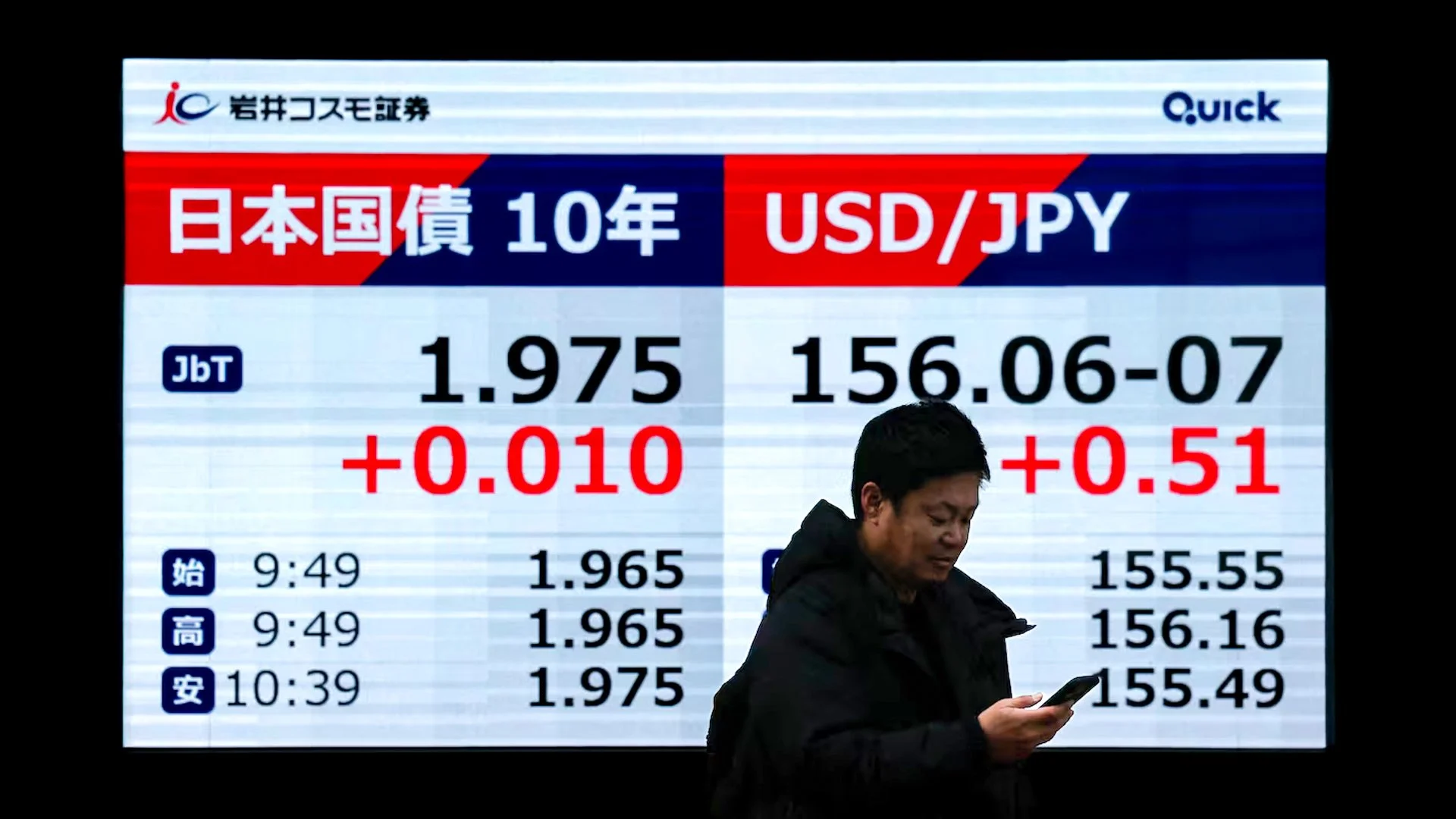
Despite the Bank of Japan (BOJ) entering a new era of interest rate hikes—reaching 0.75% in late 2025—the Yen has struggled to find its footing. The currency recently weakened toward the 159.00 level, fueled by a resurgence in the US Dollar (USD) and speculation surrounding Prime Minister Sanae Takaichi’s potential snap election in February 2026.
Finance Minister Katayama was quick to dismiss these moves as "speculative" and "one-sided." In her dialogue with BOJ Governor Kazuo Ueda, which she described as "very good," the focus remains on achieving 2% inflation sustainably. Crucially, Katayama pointed out that inflation driven by import costs is no longer as drastic as it once was, giving the authorities more room to focus on currency stability rather than just raw price containment.
Decoding the "Joint Statement" Strategy
In the world of Forex trading for beginners, "intervention" usually refers to a central bank buying its own currency to boost its value. However, Japan’s strategy is deeply rooted in diplomacy. By citing the September accord signed with U.S. Treasury Secretary Scott Bessent, Katayama is signaling to the market that Japan has "tacit approval" from Washington.
"We won't rule out any means and will respond appropriately to currency moves that are excessive... The joint statement between the U.S. and Japan can be interpreted as saying intervention to counter forex moves out of line with fundamentals is allowed." — FinMin Katayama
This diplomatic alignment is vital. In 2024, Japan spent roughly $100 billion to prop up the Yen. By securing a "free hand" from the U.S., Japan avoids the risk of being labeled a currency manipulator while keeping speculators on high alert near the 160.00 "line in the sand."
The BOJ’s Independent Path
While the government manages the currency, Katayama was firm that monetary policy remains the sole jurisdiction of the Bank of Japan. This distinction is critical as the market weighs the likelihood of another rate hike in early 2026.
An interesting subplot has emerged regarding Federal Reserve Chair Jerome Powell. While other global central banks issued a joint statement backing Powell against political pressure from the Trump administration, the BOJ was notably absent. Katayama clarified that she had "not received inquiries" from the BOJ regarding this statement, underscoring the central bank's desire to stay out of foreign political fray and maintain its laser focus on the Japanese economy.


Trading the Yen Volatility
For traders at GME Academy, the current environment represents a masterclass in fundamental analysis. The JPY is often a safe-haven currency, but currently, it is behaving like a high-beta asset sensitive to yield differentials and verbal intervention.
GBP/JPY: This pair remains a favorite for "carry traders," but Katayama’s warnings make holding long positions risky as the 160 level nears.
EUR/JPY: Similar to the dollar pair, the Euro has seen strength against the Yen, but any direct intervention by the Ministry of Finance (MoF) would likely cause a sharp, multi-hundred pip drop in minutes.
At Global Markets Eruditio, we advise our students to watch the "tone" of the intervention. When officials shift from being "concerned" to being "ready to take bold action," the probability of a physical market entry by the MoF skyrockets.
Navigate the Yen's Next Move with Professional Insight
The standoff between Japanese authorities and currency speculators is reaching a boiling point. Will the Yen break 160, or will the "free hand" of the MoF strike first? Understanding these macro-dynamics is the difference between a successful trade and a margin call.
Are you ready to master the world of central bank intervention and high-stakes Forex?
Join our FREE Forex Workshop Today!
Learn the "insider" indicators that professional traders use to anticipate central bank moves and how to protect your capital during periods of extreme market volatility.
