

Japan on High Alert: Kihara Signals Coordinated Action as Yen Volatility Spikes
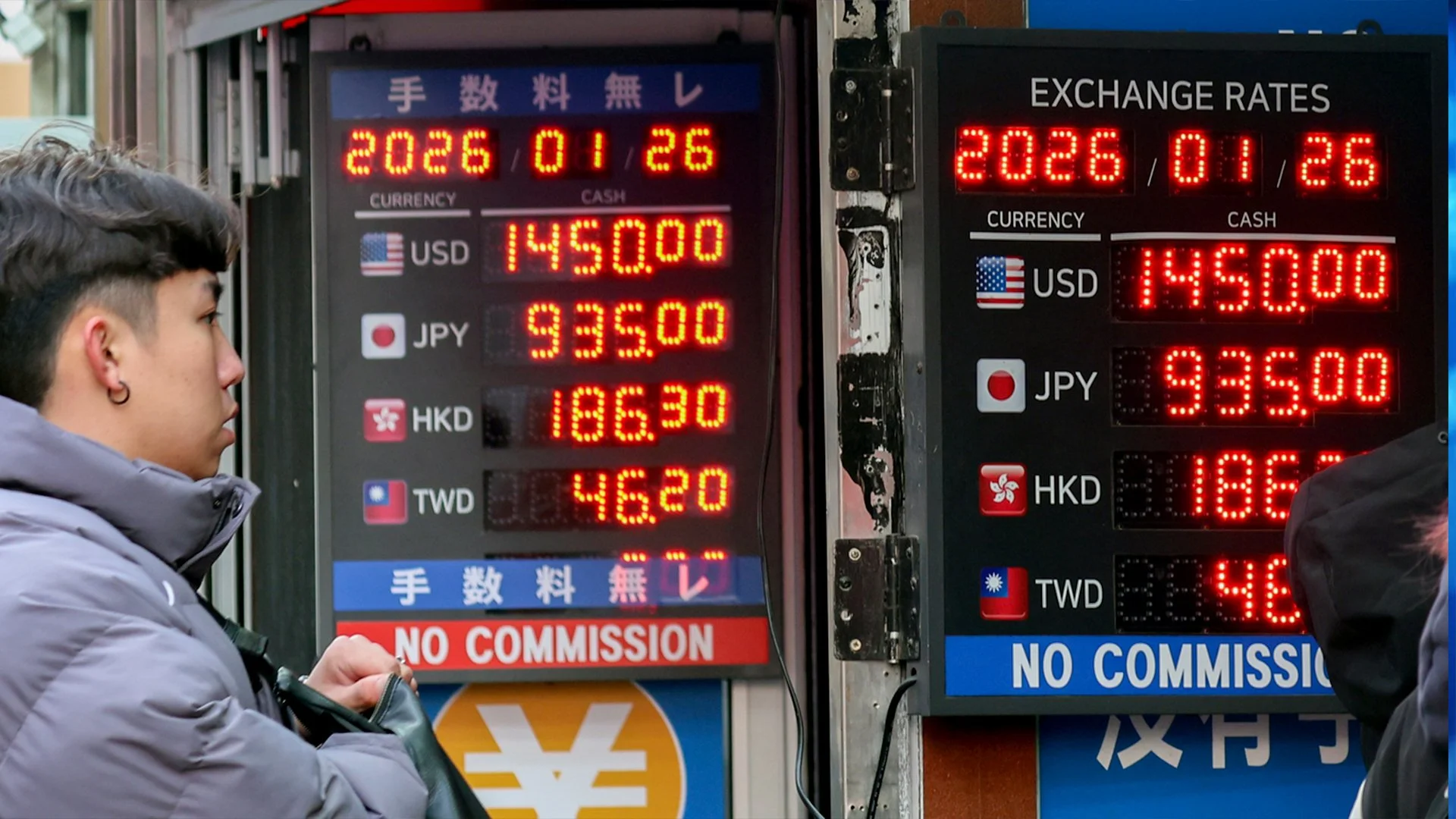
The Japanese Yen has taken center stage in global markets this January, following a series of pointed warnings from Tokyo. Japan’s Chief Cabinet Secretary Seiji Kihara confirmed on Monday that the government is prepared to take "appropriate action" regarding foreign exchange matters, specifically citing the Japan-US joint statement on currency stability.
For those active in Forex Trading, Kihara’s remarks are a classic display of "jawboning"—using verbal cues to influence market sentiment. When a top official links potential action to a bilateral agreement with the United States, it suggests that any move to support the Yen might not be a solo effort, but a coordinated strike that could catch USD/JPY bears off guard.
The Joint Statement: A "Green Light" for Intervention?
Kihara’s reference to the Japan-US joint statement is the most critical part of his message. Historically, unilateral intervention by Japan has often had a short-lived impact. However, the 2025-2026 bilateral framework emphasizes a shared commitment to preventing "excess volatility" and "disorderly movements."
By invoking this agreement, Kihara is signaling to the markets that Tokyo has at least the diplomatic "blessing"—and potentially the active cooperation—of the US Treasury. This creates a formidable psychological barrier for traders attempting to push the US Dollar (USD) higher against the Yen.
Rate Checks: The "Last Warning" Before Action
Market tension reached a fever pitch following reports that the New York Federal Reserve had conducted "rate checks" on behalf of the Japanese Ministry of Finance.
What is a Rate Check? It occurs when a central bank calls major commercial banks to ask for "live" price quotes. In Forex Trading for Beginners, this is viewed as the final warning shot before the government actually steps into the market to buy its own currency.
Kihara’s Stance: When asked directly about these reports, Kihara declined to comment, a move that often fuels even more speculation. By remaining silent on the specifics, he allows the "fear of the unknown" to do the work of strengthening the Yen.
Market Reaction: The Yen Squeezes Short Sellers
Following Kihara’s comments and the rumored rate checks, the Japanese Yen (JPY) staged its most significant rally since August 2025. The USD/JPY pair plummeted from levels near 159.50 down toward 154.00 as short-sellers scrambled to cover their positions.
This volatility has ripple effects across other major crosses. Pairs like GBP/JPY and EUR/JPY have also seen sharp pullbacks, as the risk of a "Plaza Accord-style" coordinated intervention becomes a topic of serious debate at the GME Academy.


Why Forex Traders Should Watch the 160 Level
Institutional analysts at Global Markets Eruditio have identified the 160.00 mark as a "line in the sand" for Japanese policymakers. In 2024, Japan spent nearly $100 billion to defend this level. With Prime Minister Sanae Takaichi facing a snap election in February 2026, the government is under immense pressure to curb the "headache" of import-driven inflation caused by a weak Yen.
Bullish Case for JPY: Further rate checks or official confirmation of a "joint intervention" could send USD/JPY toward the 150.00 handle.
Bearish Case for JPY: If the Bank of Japan remains too cautious with interest rate hikes while the US Dollar stays resilient, verbal warnings may eventually lose their "sting."
Navigate the Intervention Minefield
Trading the Yen during an intervention cycle is one of the most high-stakes activities in the Forex market. The moves are fast, violent, and often occur during low-liquidity "dead zones."
Ready to Master the JPY? Don't let a sudden intervention wipe out your account. Understanding the "Intermarket" signals between Japanese bonds, US yields, and official jawboning is the only way to trade these events safely.
Join our FREE Forex Workshop. Learn how to identify the signs of a "Rate Check" and how to position your trades to profit from—rather than get crushed by—government intervention.
