

US Economy in Lower Gear: Manufacturing Gains Outpace Services Amid Stagnant Jobs
The United States economy began 2026 with a sense of "steady but slow," according to the latest S&P Global Flash US PMI® data. While business output marked its 36th consecutive month of growth in January, the pace has cooled significantly compared to the "hot" expansion seen in late 2025. The headline Composite Output Index edged up to 52.8, a slight increase from December's 52.7, but it signals an economy moving in a lower gear.
For Forex Trading, this data serves as a crucial reality check for the US Dollar (USD). As the manufacturing sector shows signs of life while services stall, the divergence is creating fresh volatility in pairs like USD/JPY and EUR/USD, especially as traders look for clues regarding the Federal Reserve's next move.
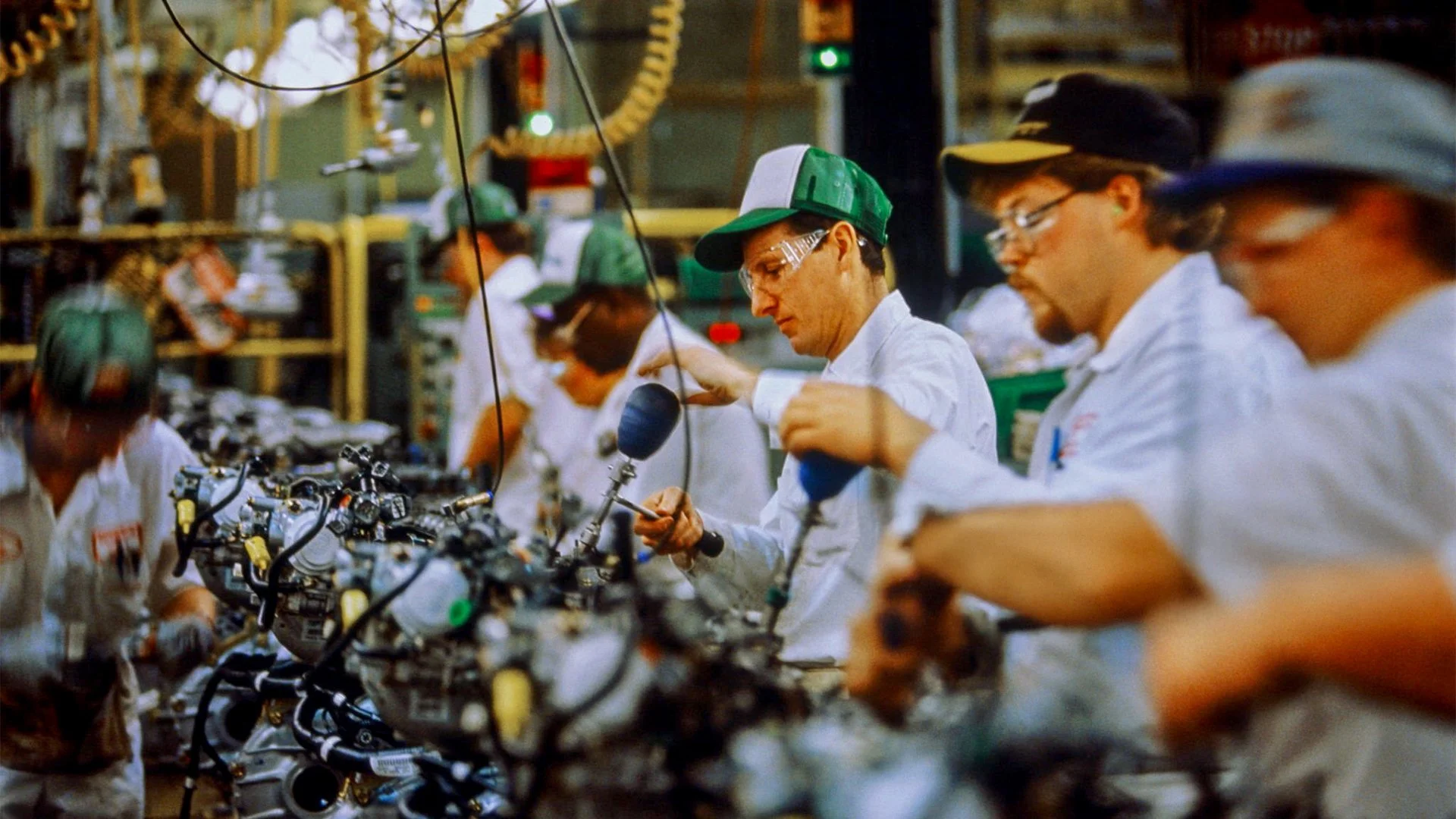
A Tale of Two Sectors: Manufacturing Takes the Lead
In a reversal of recent trends, the US manufacturing sector outperformed services in terms of output growth.
Manufacturing Output Index: Surged to 54.8 (a 5-month high).
Services Business Activity Index: Remained flat at 52.5, matching December's eight-month low.
While factory production is ramping up, it’s not all clear skies for manufacturers. New orders rose only slightly, leading to an increase in finished goods inventories. Essentially, factories are producing more, but the "underlying demand" remains soft.
The "Stalled" Job Market
Perhaps the most striking finding in the January report is the lack of movement in the labor market. Employment rose only slightly, with businesses expressing deep-seated concerns over rising costs and a slowdown in sales.
Manufacturing Employment: Slipped to a six-month low.
Service Sector Jobs: Reported only a marginal rise in payrolls.
Companies are increasingly caught in a pincer movement: they are struggling to find qualified staff for specific vacancies while simultaneously hesitating to expand their overall headcount due to economic uncertainty. This "stagnation" is a key fundamental for Forex Trading for Beginners to watch, as a weak labor market often limits how aggressive a central bank can be with interest rate hikes.
The Tariff Effect: Inflation’s New Driver
Inflation remains "stubbornly elevated," but the source has shifted. While service sector inflation moderated due to intense competition, manufacturing price pressures intensified.
Input Costs: Rose at the fastest pace since last September for manufacturers.
The Culprit: Surveyed firms overwhelmingly blamed tariffs for the spike in raw material costs.
As factory gate prices hit a five-month high, the cost is being passed down the supply chain. This "cost-push" inflation is a major talking point at the GME Academy, as it creates a "Gray Swan" environment where traditional economic models struggle to predict the Fed's response.


Global Outlook: A Slump in Exports
The January report highlighted a worrying trend in global trade. Both manufacturing and services saw the largest drop in new export orders since April 2025.
Services Exports: Fell at a rate not seen since late 2022.
Manufacturing Exports: Weakness was noted in major markets, including Canada and Europe.
This suggests that while domestic US demand is keeping the lights on, the global appetite for American goods and services is waning—a factor that could weigh on the US Dollar if the trend persists.
Navigating the "Lower Gear" Economy
Institutions like Global Markets Eruditio suggest that the US is entering a period of "First Quarter Disappointment." With annualized GDP growth currently signaling around 1.5%, the record-breaking gains of 2025 are a fading memory.
Want to stay ahead of the Fed? Understanding the shift from services to manufacturing and the impact of tariffs on the USD is vital for anyone trading the majors.
Join our FREE Forex Workshop. Learn how to use PMI data to predict currency trends and protect your portfolio from the impact of shifting trade policies.
