

Germany’s Engine Restarts: Manufacturing Breaks 44-Month Slump as PMI Hits 53.1
After nearly four years of industrial stagnation, the "powerhouse of Europe" has finally signaled a definitive turnaround. According to the HCOB Flash Germany PMI data released on February 23, 2026, business activity growth accelerated to a four-month high in February, with the manufacturing sector breaching the critical 50.0 threshold for the first time in over three-and-a-half years.
The Composite PMI Output Index rose to 53.1 in February, up from 52.1 in January. This move suggests that Germany is moving beyond mere stabilization and entering a genuine expansionary phase, driven by a global recovery in demand for German engineering and exports.
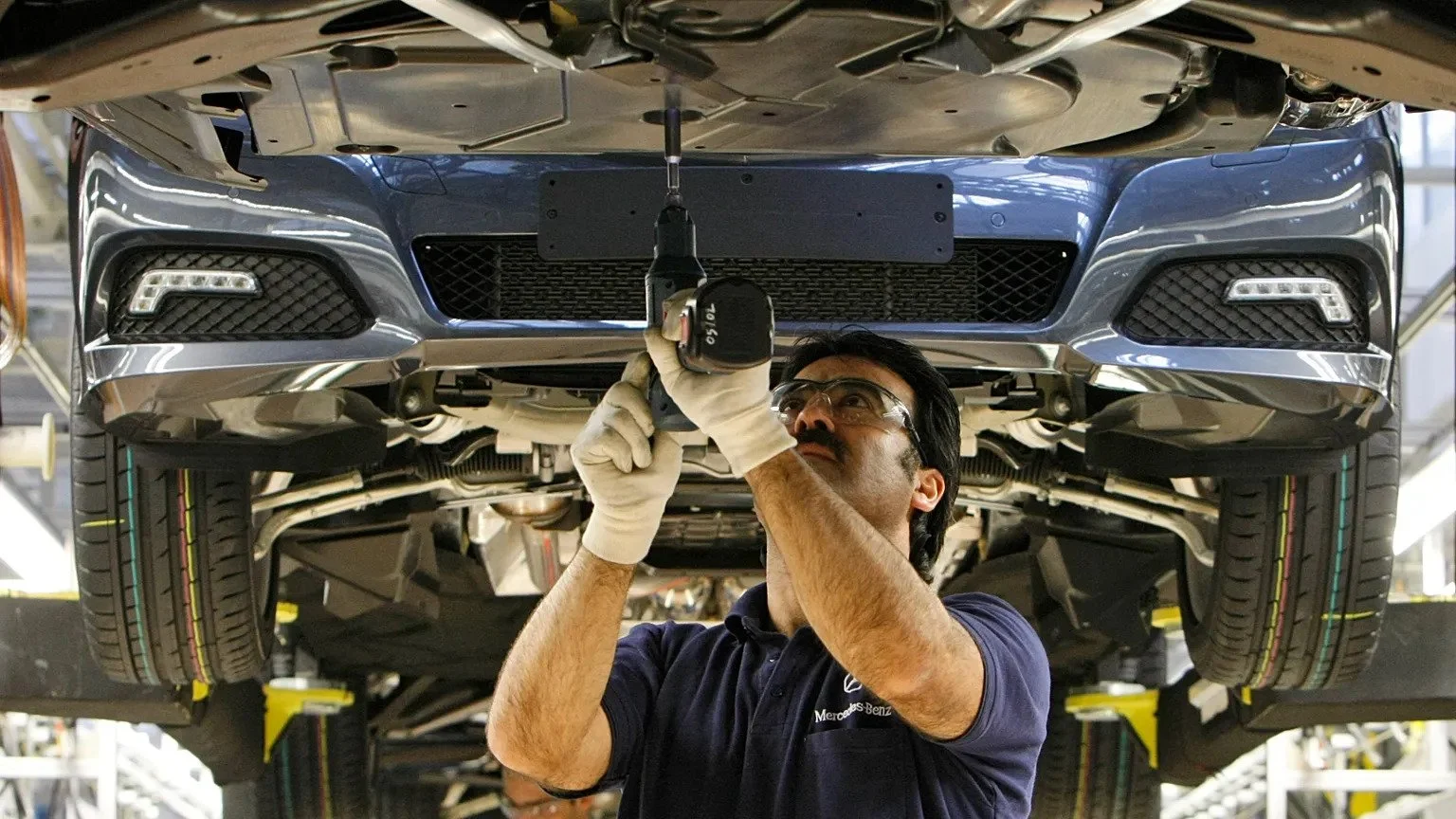
1. The Manufacturing Breakthrough
The standout headline from the February report is the Manufacturing PMI, which registered 50.7. This is the first time since mid-2022 that the sector has indicated an improvement in overall business conditions.
Export Surge: New export business rose for the first time in seven months, posting its best performance since the start of the Ukraine-Russia conflict in February 2022.
Order Book Momentum: Inflows of new work for manufacturers grew at the fastest rate in almost four years. This resurgence in orders managed to offset a slight cooling in service sector demand, keeping the overall economy balanced.
Sentiment Shift: Business optimism among manufacturers hit a four-year high. Firms cited stronger demand both domestically and from key international markets as the primary reason for their bullish 12-month outlook.
2. Services Lead, but Labor Risks Remain
While the manufacturing recovery is the "new" news, the Services PMI remains the volume leader at 53.4, continuing to underpin the broader German economy.
The Jobs Paradox: Despite the growth in activity, the labor market remains volatile. Services firms recorded their steepest reduction in workforces since the initial pandemic shock of June 2020.
Redundancies vs. Stability: While manufacturers slowed their rate of job shedding to a 30-month low, service providers are aggressively cutting payrolls to combat "sticky" wage inflation and squeezed margins.
Capacity Pressures: For the first time since May 2022, manufacturers reported an increase in work-in-hand (backlogs), suggesting that the "lean" operations of the past few years are finally being tested by incoming orders.
3. Pricing Pressures: A 3-Year High for Input Costs
The recovery comes with a significant caveat: Inflation is reheating.
Input Costs Spike: Private sector firms reported the steepest increase in input costs in three years. Manufacturers faced the highest purchase price inflation since late 2022, largely driven by raw material shortages and rising energy costs.
Wage Inflation: Service providers cited "higher wages" as a primary driver for their continued steep cost increases.
Output Prices: Although the rate of selling price inflation edged down slightly from January’s 23-month high, it remains well above the long-run average. Notably, manufacturers raised their factory gate prices for the first time in four months.



GME Academy Analysis: "The Euro's German Foundation"
At Global Markets Eruditio, we believe Germany’s manufacturing breakthrough is the missing piece of the puzzle for a sustained Euro rally.
Trader's Takeaway for February 2026:
EUR/USD Support: Germany breaking a 44-month manufacturing slump is a massive fundamental "plus" for the Euro. As the Eurozone's largest economy finds its feet, the EUR is likely to outperform other G10 currencies that are dealing with slowing growth (like the CAD).
Industrial Equities: We are moving to Overweight DAX 40 industrials. The 4-year high in manufacturing optimism suggests that the "darkest days" for German factories are over.
ECB Watch: The 3-year high in input costs will make it very difficult for the European Central Bank to cut rates. Expect the "Higher for Longer" narrative to shift from the U.S. toward Frankfurt.
Join our FREE Macro Workshop at Global Markets Eruditio!
Is the German "Mittelsand" finally back? We’ll analyze the Export Order Inflows vs. Energy Costs and show you how to trade the EUR/JPY during this manufacturing "renaissance."
