

UK Growth Hits 22-Month High: Manufacturing Rebound Ignites Economy Despite Jobs "Chill"
The British economy is gathering significant steam as it heads into the spring of 2026. According to the latest S&P Global Flash UK PMI data released on February 23, 2026, private sector output growth accelerated to its fastest pace in nearly two years. The headline Composite Output Index rose to 53.9, up from 53.7 in January, marking a 22-month high and signaling a robust expansion in business activity.
While the service sector remains the primary engine of growth, the standout story of February is the dramatic resurgence of British Manufacturing, which hit an 18-month high as export orders flooded back from the US, Europe, and Asia.
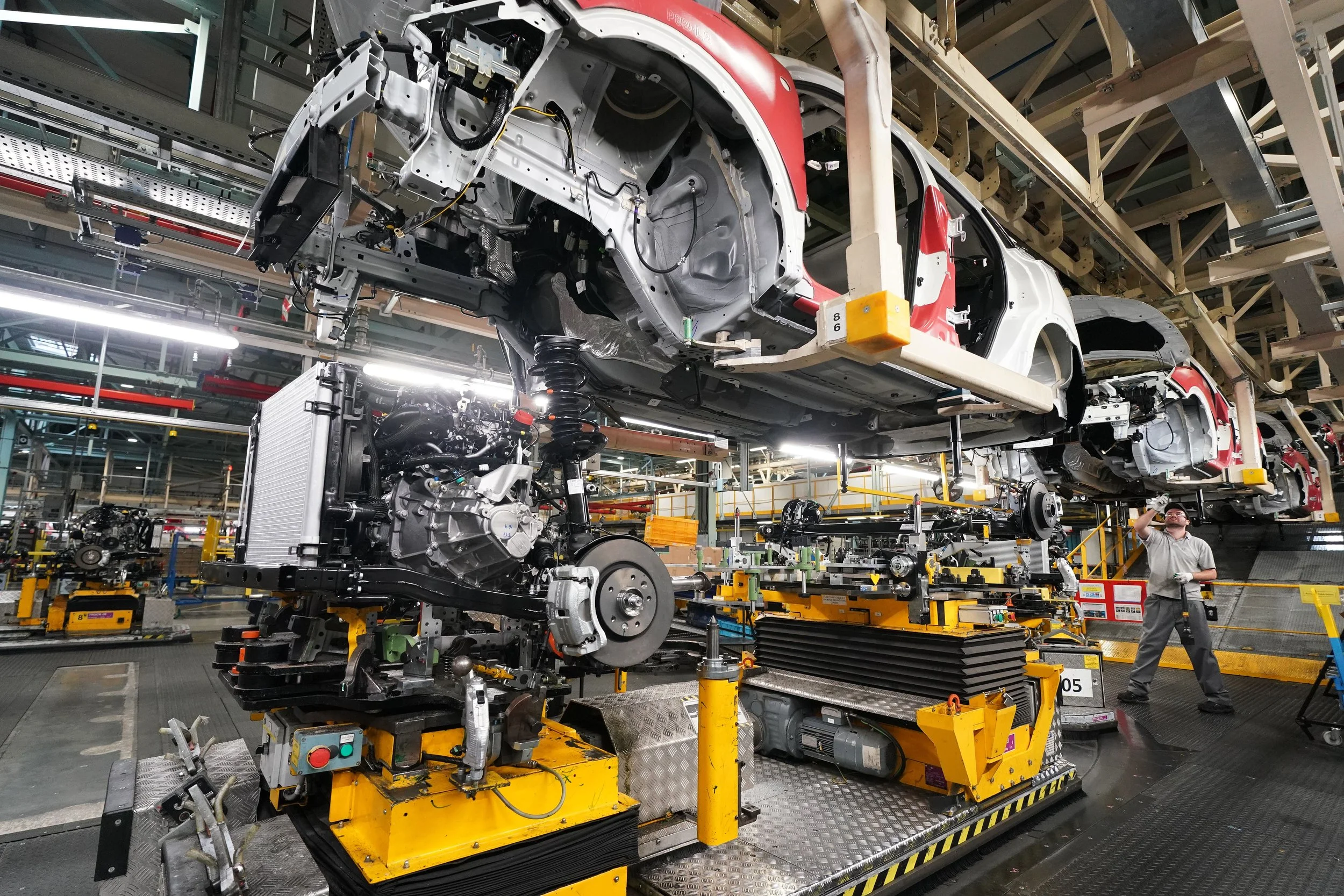
1. Manufacturing Steps into the Spotlight
For the first time in over a year, factories are rivaling service providers for momentum.
Export Explosion: Manufacturers reported the fastest rise in new export work in four-and-a-half years. Goods producers cited a broad-based recovery in international demand, particularly for metals and high-tech components.
17-Month High for Output: The Manufacturing Output Index surged to 53.6 (up from 51.6 in January), as companies ramped up production to meet a rapidly improving sales pipeline.
Confidence Bucking the Trend: While overall business confidence dipped slightly from January’s peaks, manufacturers saw their optimism soar to an 18-month high, fueled by international expansion plans and anticipated global demand.
2. The Employment Paradox: Growth Without Jobs
Despite the "booming" activity levels, the UK labor market remains mired in a deep freeze.
17 Months of Cuts: Employment levels decreased for the seventeenth consecutive month. Service providers, in particular, reported "marked reductions" in payroll numbers.
The "Margin Squeeze": Firms noted that while orders are up, costs are even higher. To protect margins, many businesses have implemented hiring freezes or turned to AI and automation to achieve growth without increasing headcount.
Redundancies Rise: A significant number of service firms cited active redundancies as they struggle to pass on high wage costs to consumers.
3. Pricing Pressures: A Sting in the Tail for the BoE
While growth is healthy, the "inflationary ghost" continues to haunt the data, complicating the Bank of England’s (BoE) roadmap.
Prices Charged Surge: Even though input cost inflation eased to a three-month low, the prices charged to customers rose at the sharpest rate since April 2025.
Wage Push: Service providers blamed "elevated wage pressures" for the need to hike their selling prices.
Commodity Costs: Manufacturers highlighted rising prices for raw materials, specifically copper and other metals, which are seeing global price spikes due to supply constraints.
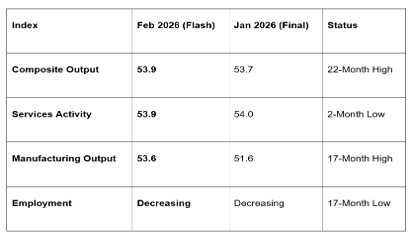


GME Academy Analysis: "The Jobless Recovery Play"
At Global Markets Eruditio, we are viewing this as a classic "Jobless Recovery," which provides a unique setup for the British Pound.
Trader's Takeaway for February 2026:
GBP/USD Bullishness: The 22-month high in output combined with rising "Prices Charged" is a Hawkish signal. It suggests the UK economy can handle higher rates, and the BoE may need to delay any cuts to combat the persistent price-charging trend. We are looking for Sterling to test the upper bounds of its current range.
Manufacturing Equity Bounce: The 4.5-year high in export growth is a major tailwind for FTSE 100 industrial and metal-exposed stocks.
The Productivity Shift: The trend of "growth via technology" instead of hiring suggests a structural shift in the UK economy toward higher productivity, which is positive for long-term UK Gilts.
Join our FREE Macro Workshop at Global Markets Eruditio!
Is the UK manufacturing boom sustainable? We’ll break down the UK PMI vs. Eurozone Demand and show you how to trade the GBP during this 17-month employment slump.
