

The "One-Off" Gamble: Powell Decouples Inflation from Tariffs to Keep Rate Cuts Alive
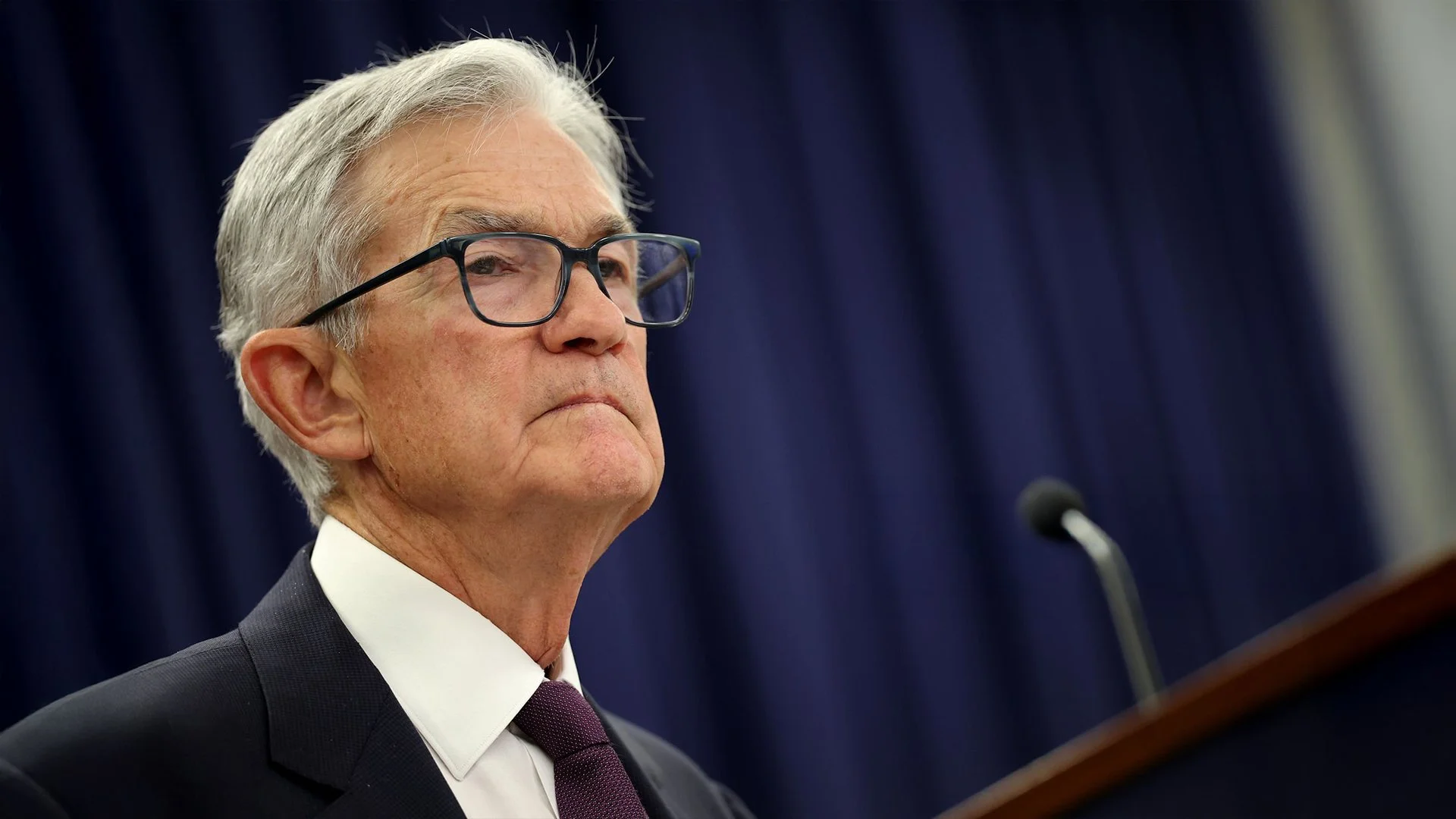
In what may be one of his final acts of defiance against market volatility and political pressure, Federal Reserve Chair Jerome Powell delivered a high-stakes press conference on Wednesday, January 28, 2026. Following the FOMC's decision to hold the federal funds rate at 3.50%–3.75%, Powell attempted to perform a delicate "economic surgery": separating the current "overrun" in inflation from the underlying strength of the economy.
At the GME Academy, we see this as a classic "Dovish Hold." By framing tariffs as a "one-time price increase" rather than a persistent inflationary cycle, Powell is effectively protecting the Fed's ability to cut rates later this year. For Forex Trading, this is a massive signal: the Fed is looking for any excuse to stay accommodative.
1. The Tariff "Filter": Why Core PCE is Better Than it Looks
The most explosive takeaway from the press conference was Powell's pivot on inflation data. While headline numbers remain hot, Powell "filtered" the data for the markets:
The Stat: Core PCE is running at 3.0%, but Powell noted that excluding tariff effects, it is running "just a bit above 2%."
The Logic: Powell believes that most of the recent price hikes are "one-offs" driven by import taxes, not by a "demand-led" overheated economy.
The "If/Then" Clause: "If we see [tariff effects] peaking and then coming down... that would tell us we can loosen policy."
2. Deficits and Independence: The Parting Warning
With his term ending in May 2026, Powell didn't hold back on the long-term health of the U.S. economy. He described the current U.S. Budget Deficit as "unsustainable," noting that running massive deficits at full employment is a dangerous fiscal path.
On Fed Independence: Despite criminal probes and public clashes with the Trump administration, Powell remained steadfast. "I don’t believe we’ve lost it [independence]," he said. "I don’t believe we will." However, his refusal to comment on working with a potential successor—responding with "I have nothing on that for you" over ten times—spoke volumes about the tension behind the scenes.
3. Forex Impact: The Dollar’s "Tariff Premium."
For those in Forex Trading for Beginners, Powell’s comments created a "two-way" market for the US Dollar (USD):
Bearish Signal (Long-term): By signaling that he wants to loosen policy once tariff effects peak, Powell is capping the Dollar’s upside. If the Fed cuts while other banks (like the RBA) are hiking, the USD will lose its "Carry Trade" appeal.
Bullish Signal (Short-term): Since a rate hike "isn't anyone's base case," traders are breathing a sigh of relief. However, the "unsustainable deficit" warning is a long-term weight on the Greenback's credibility.
The "Hedging" Myth: Powell downplayed the idea that foreign investors are dumping Dollar assets, stating there isn't "much to the story" about a mass exit from the USD.


The GME Academy Analysis: "Transitory 2.0?"
We’ve heard this story before. In 2021, the Fed called inflation "transitory." In 2026, they are calling tariff-led inflation a "one-time price increase." At Global Markets Eruditio, we advise caution. While Powell’s rhetoric is dovish, the "tension" between a strong economy and sticky inflation remains. If tariffs lead to secondary price hikes in services, the Fed’s plan to "loosen policy" will be dead on arrival.
Are You Trading the Fed’s Final Act? As Powell prepares to exit, the transition to a new Fed Chair will be the single biggest volatility event of 2026. Don't trade the headlines—trade the strategy.
Join our FREE Forex Workshop. Learn how to trade the "Post-Powell" era. We’ll show you how to analyze PCE data like a central banker and identify the exact moment when the "Tariff Peak" becomes a trading opportunity.
