

RBA Governor Bullock Calls for "Patience" as Policy Shifts to Restrictive Stance
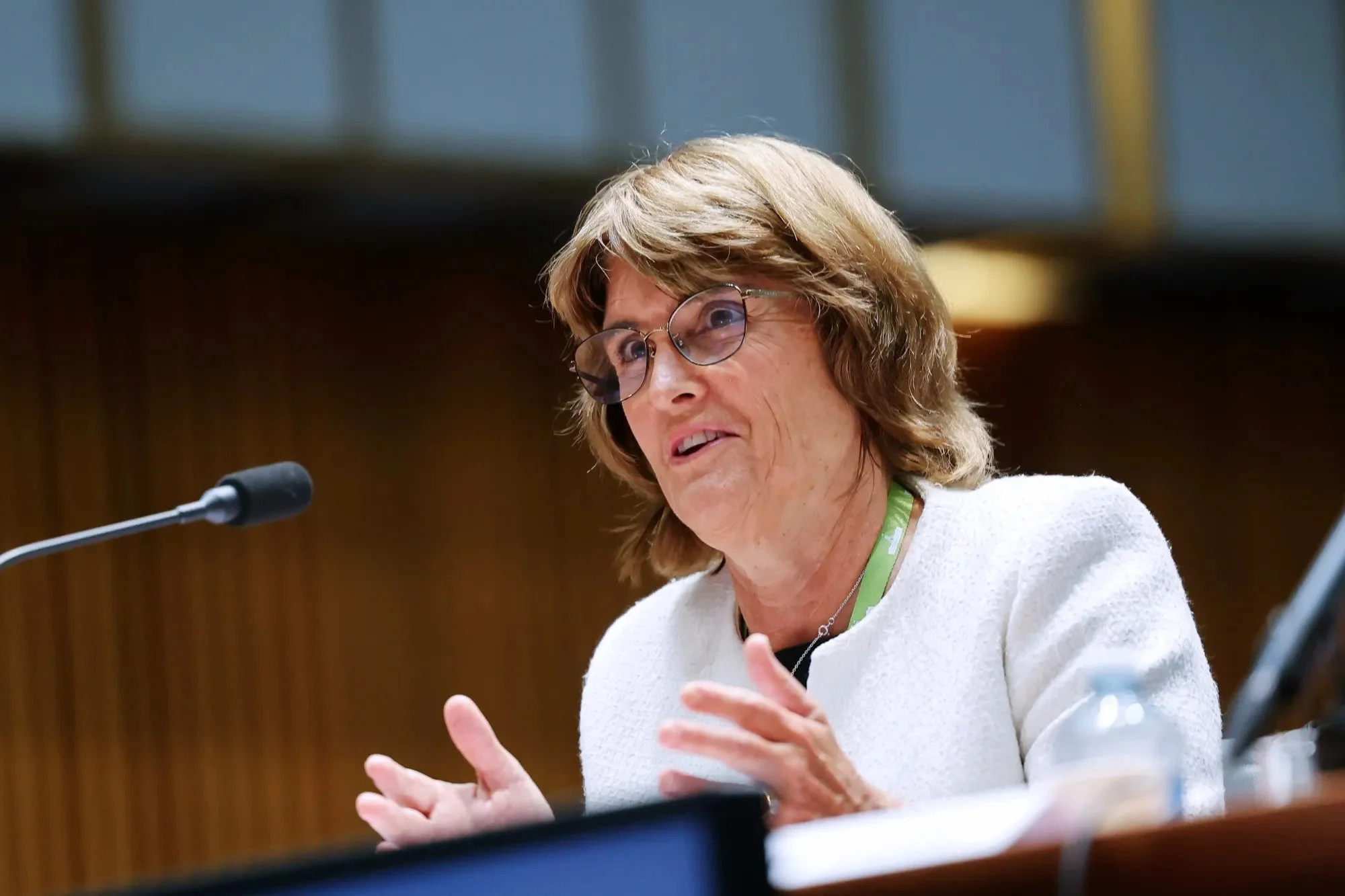
Reserve Bank of Australia (RBA) Governor Michele Bullock has signaled a period of cautious observation for the nation's monetary policy, following the central bank's recent decision to hike interest rates to 3.85%. Addressing lawmakers and the media on Wednesday, February 25, 2026, Bullock acknowledged that while inflation remains "excessive" and "unacceptable," the Board must now exercise patience to see how recent policy adjustments filter through the economy.
The Governor's remarks come as a "hawkish hold" narrative takes root in financial markets. After reversing three rate cuts from 2025 with a 25-basis-point hike in early February, the RBA is now grappling with a domestic economy that has proven far more resilient than previously forecast.
1. Acknowledging "Excessive" Inflation
Governor Bullock was candid about the current price environment, following the release of January’s monthly CPI indicator, which remained sticky at 3.8%.
The Unacceptable Level: "The current pulse of inflation is too strong," Bullock stated. "Having headline inflation at 3.8% and trimmed mean (core) measures at 3.4% is not an acceptable outcome for the Board."
Capacity Pressures: The Governor highlighted that the Australian economy is currently operating closer to its full supply capacity than previously estimated. This lack of "spare capacity" means that even modest increases in demand—fueled by strong household spending and a resilient labor market—result in rapid price jumps.
2. The Plea for Patience
Despite the "tightening bias" signaled by the February hike, Bullock emphasized that the RBA is not in a rush to trigger a series of aggressive, back-to-back increases. Instead, she urged a data-dependent approach.
"Monetary policy works with a lag. We have just moved into a mildly restrictive territory, and we must now have the patience to observe how these higher rates impact household demand and business investment before making our next move."
This call for patience is seen as a signal that the RBA may pause at its March 16-17 meeting to digest a full quarter's worth of data, including the upcoming labor market and wage growth reports.
3. The Productivity Problem
A recurring theme in the Governor’s February briefings has been the "sluggish" supply side of the economy. Bullock reiterated that interest rates are a "blunt tool" that primarily manages demand, but the long-term solution to inflation lies in productivity.
Demand vs. Supply: Private demand grew faster than expected in the second half of 2025.
The Productivity Gap: Without an improvement in output per hour worked, the Governor warned that wage growth—currently healthy for workers—could become a source of "entrenched" inflation if it isn't matched by efficiency gains.


GME Academy Analysis: "The Wait-and-See Game"
At Global Markets Eruditio, we are tracking the Governor's shift in tone from "reactive" to "evaluative."
Trader's Takeaway for February 2026:
AUD/USD Neutrality: The Governor’s call for patience has slightly capped the Australian Dollar's recent rally. While the hike in February provided support, the lack of a "committed" follow-up hike for March is keeping the AUD/USD in a consolidative range near 0.706.
Banking Sector Outlook: Australia's "Big Four" banks remain divided. While Commonwealth Bank and Westpac are eyeing a potential May hike, the RBA's "patience" narrative suggests that the timing of the next move is entirely dependent on the March quarterly CPI print.
Fixed Income: We are seeing a "plateau" in short-term JGB-style yields in Australia. For investors, this means the peak of the current cycle may be near, provided the "patience" Bullock calls for is rewarded by cooling data in the months ahead.
Join our FREE Macro Workshop at Global Markets Eruditio! Is the RBA done or just beginning? We’ll analyze Governor Bullock’s "Patience" vs. Market Pricing and show you how to position for the AUD volatility ahead.
