

The "Furniture Freeze": Trump Delays Tariff Spike to Shield Homeowners and Markets
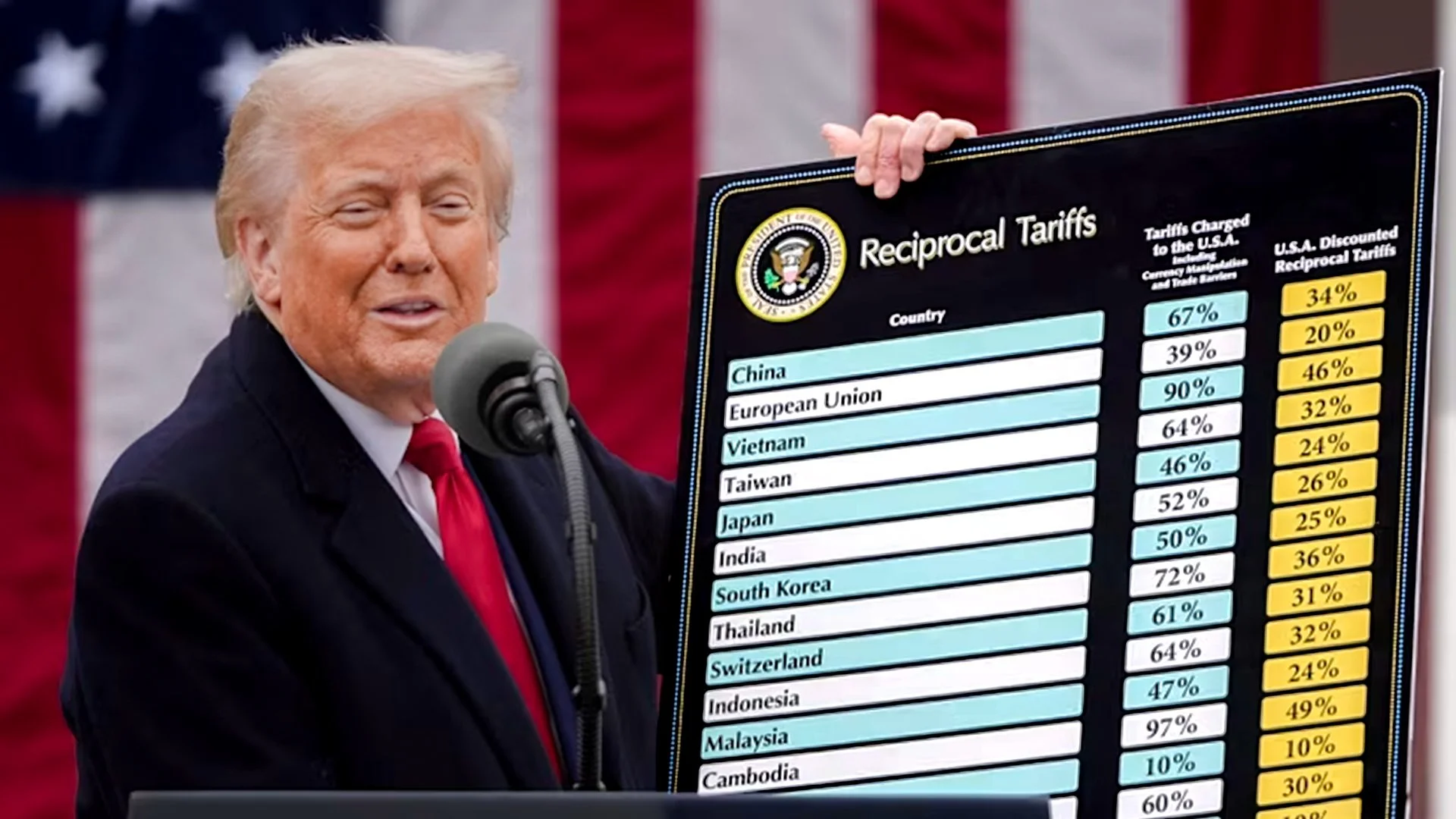
In a move that has provided an eleventh-hour reprieve for the home furnishing and construction industries, President Donald Trump has signed a New Year's Eve proclamation to delay a massive scheduled increase in furniture tariffs. The decision, which postpones the hike until January 1, 2027, keeps the current duty rate at 25% for upholstered furniture, kitchen cabinets, and vanities—averting a jump that would have seen taxes on some products double to 50%.
For the Forex community and those following Global Markets Eruditio, this "Furniture Freeze" is a significant signal of the administration's current balancing act between aggressive trade protectionism and the urgent need to curb domestic inflation.
Averted: The 50% "Kitchen Cabinet" Cliff
The original schedule, established under a September 2025 proclamation, was set to significantly tighten the screws on imported wood products. Had the proclamation not been signed, January 1, 2026, would have marked a painful transition:
Kitchen Cabinets & Vanities: Set to jump from 25% to 50%.
Upholstered Wood Furniture: Set to rise from 25% to 30%.
White House officials cited "productive negotiations" with trade partners as the primary reason for the stay. However, market analysts suggest the move is also a strategic pivot to address "cost of living" concerns. With household furniture prices already up nearly 5% over the last year, a 50% tariff on cabinets would have been a direct blow to the struggling U.S. housing and renovation sectors.
Forex Implications: The US Dollar and Trade Reciprocity
In Forex Trading, tariffs are often viewed as a "pro-dollar" tool because they can reduce imports and theoretically improve the trade balance. However, they also risk stoking inflation, which complicates the Federal Reserve's path for interest rates.
USD/CAD Stability: Canada is a major exporter of timber and wood products to the U.S. This delay provides a temporary floor for the Canadian Dollar, as manufacturers in New Brunswick and Quebec breathed a sigh of relief. A sudden 50% tariff would have likely triggered a sharp sell-off in the "Loonie."
EUR/USD Sentiment: European exporters of high-end upholstered furniture also benefit from this delay. The move suggests the U.S. is willing to use "tariff flexibility" as a carrot in broader trade negotiations, potentially stabilizing the U.S. dollar against the Euro as trade war fears momentarily de-escalate.
For those engaging in Forex Trading for Beginners, this event highlights how "Trade Reciprocity" isn't just a political buzzword—it's a fundamental driver of currency value. When the U.S. softens its tariff stance, it often reduces the immediate "risk-off" demand for the greenback, allowing for more nuanced movement in major currency pairs.

The National Security vs. Affordability Debate
At GME Academy, we teach our students to look beyond the headlines. The administration’s use of Section 232—a law allowing tariffs based on "national security"—on items like kitchen cabinets shows how broadly "security" is being defined in 2026. The White House argues that an overreliance on foreign timber jeopardizes the U.S. construction industry.
Yet, the delay proves that even the most hawkish trade policies must eventually face the reality of the consumer's wallet. By keeping the rate at 25%, the administration is attempting to "bolster American industry" without triggering a full-scale revolt from homeowners and retailers like Wayfair or Williams-Sonoma.
Trading the "Tariff Rollercoaster"
The Trump administration's trade policy in 2026 has been characterized by sudden levies followed by abrupt delays. This creates a "rollercoaster" environment for Forex traders.
Watch the Headlines: Sudden proclamations can cause 100-pip swings in minutes.
Monitor the CAD and MXN: As primary neighbors and wood exporters, these currencies are the "canaries in the coal mine" for U.S. trade shifts.
Understand the "Neutral" Impact: As we discussed in our recent analysis of Fed President Kashkari, if tariffs stay lower, inflation may cool faster, allowing the Fed to reach its "neutral" rate sooner—a long-term bearish signal for the US Dollar.
The global trade landscape is changing faster than ever. Are you equipped to profit from the volatility, or will you be caught on the wrong side of the trend?
Join our FREE Forex workshop today and master the art of trading fundamental market shifts with GME Academy!
