

Factories Slow Down but Future Looks Brighter: What November’s Manufacturing Survey Means for Forex Traders
Manufacturing in the region weakened again in November 2025, based on the latest Manufacturing Business Outlook Survey. While the current business activity remains negative — meaning more firms are reporting a slowdown — the good news is that expectations for the next six months improved sharply.
For Filipino traders learning Forex, especially those looking at USD pairs like EUR/USD, USD/JPY, and GBP/USD, this report matters. Manufacturing is a major signal of economic momentum, and shifts in business conditions often influence the U.S. Dollar’s direction in Forex Trading.
This breakdown is crafted in partnership with the learning mission of Global Markets Eruditio (GME Academy) to help simplify financial news for everyday Filipinos.
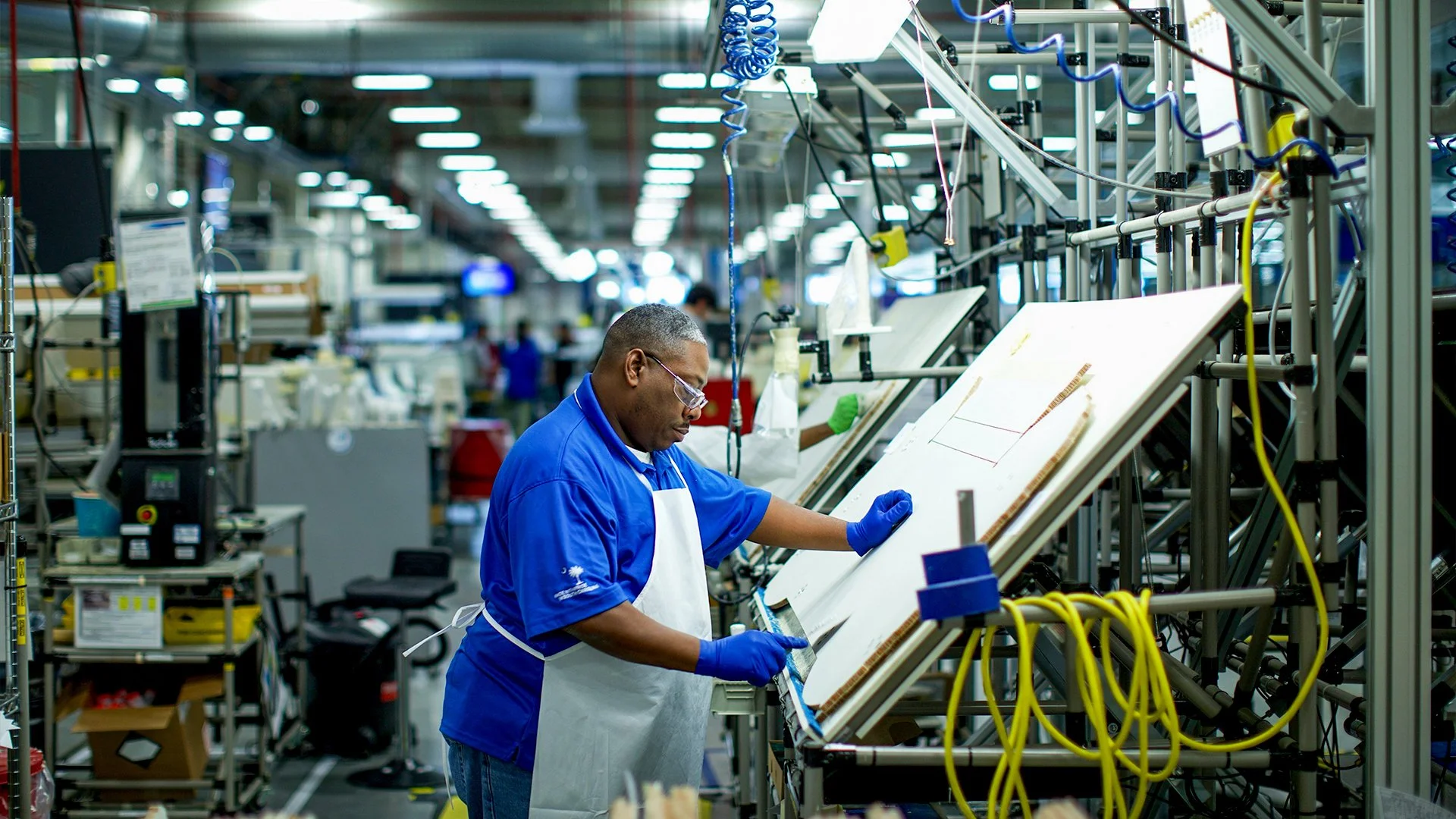
Weak Manufacturing Today: What Happened in November?
The current general activity index rose from last month but remained negative at -1.7. Simply put:
✔ Some firms say business improved
✘ But more firms still saw conditions worsen
Here’s what changed:
1. New Orders Went Negative
The new orders index fell to -8.6 — its weakest since April.
This means fewer customers are placing new factory orders.
2. Shipments Dropped
The shipments index sank to -8.7, its first negative reading since May.
This shows slower actual production and deliveries.
3. Employment Still Growing
Surprisingly, factories are still hiring.
Employment index: 6.0
75% of firms reported no change in workforce
16% increased hiring
Only 10% cut jobs
4. Work Hours Slipped
The average workweek fell, suggesting companies are cautious about keeping overtime high.
Prices Still Rising — Firms Paying More
Inflation pressures haven’t disappeared.
Prices Paid Up Again
Prices paid index: jumped to 56.1
59% of firms are paying more for materials
Only 3% are paying less
This means costs are rising — a sign that inflation inside the manufacturing sector remains elevated.
Prices Received Down Slightly
Prices received index: dropped to 17.7
Firms are earning higher prices than before, but they’re no longer raising them as aggressively.
This dynamic — rising input costs but slower price increases — usually squeezes profits and can weaken future production.


Firms Expect Lower Price Growth Ahead
When firms were asked about their expectations:
They expect their own product prices to rise 3.0% over the next year, down from 4.1%.
Expected employee compensation growth: 3.3%
Expected U.S. consumer inflation: 3.0%, lower than August’s 3.6%
Even customers have become more price sensitive, according to 40% of businesses.
This means firms are preparing for a slower inflation environment — a key factor for Forex traders watching USD strength.
Outlook Turns Positive: Future Growth Expected
Despite weak conditions today, expectations for the next six months skyrocketed:
Future General Activity Index
Jumped to 49.6, the highest in a year.
Future New Orders
Hit 55.6, strongest since January.
Future Shipments
Held steady at 48.4.
Future Prices (Paid & Received)
Remain elevated — firms expect higher costs and higher selling prices.
Capital Expenditures
Edged up to 26.7, meaning factories may soon spend more on equipment and expansion.
These figures signal renewed confidence, potentially boosting USD expectations in the medium term.
Why This Matters for Forex Traders (Especially Beginners)
Manufacturing data directly influences USD performance because:
Weak current data tends to pressure the USD
Strong future expectations may support the USD later
Inflation signals impact Federal Reserve decisions, which affect all major currency pairs like EUR/USD, USD/JPY, GBP/USD
For Filipino traders:
If you trade USD pairs, this report suggests short-term weakness but medium-term confidence, creating both opportunities and risks.
This is why learning how to read economic surveys is essential in Forex Trading for Beginners — and exactly what GME Academy aims to teach.
Ready to Learn How to Use Reports Like This to Trade Smarter?
Join our FREE Forex Workshop and start learning how to interpret real economic data, structure profitable trades, and understand currency movements like a pro.
Register now — your Forex journey starts with real knowledge.
