

“Greater Than Ever”: Trump Defies Supreme Court, Hikes Global Tariffs to 15%
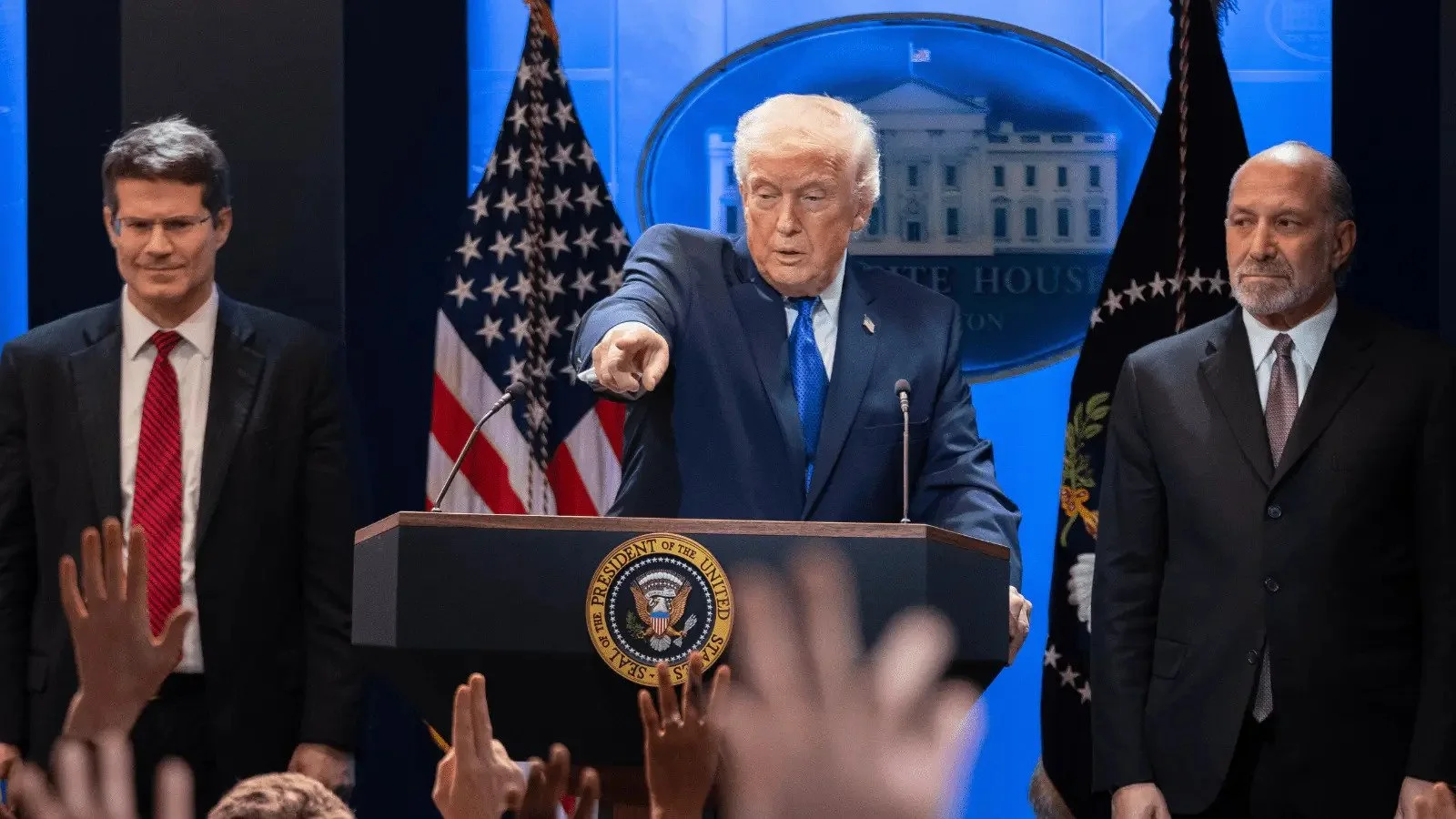
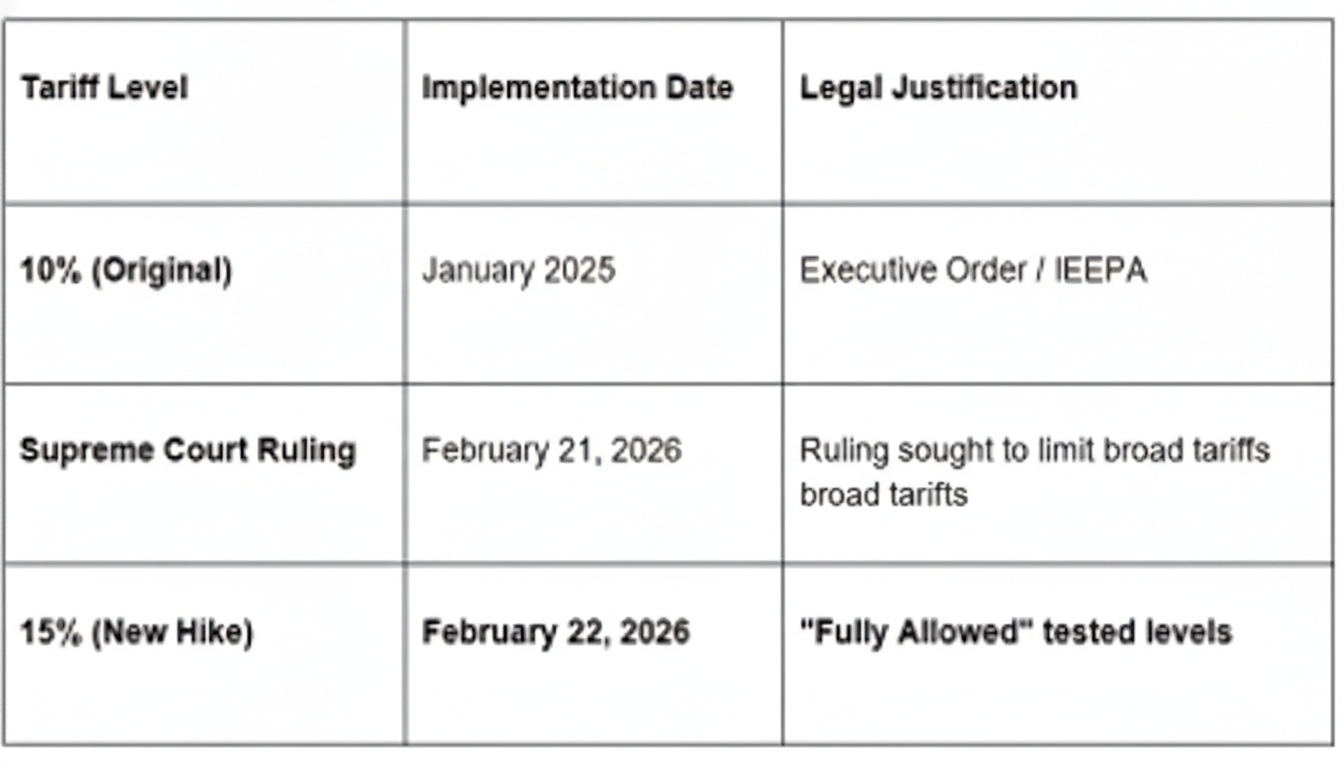
In a move that has sent shockwaves through global financial markets and set the stage for a historic constitutional showdown, President Donald J. Trump announced on Sunday, February 22, 2026, that he is immediately raising his signature worldwide tariff from 10% to 15%.
The decision comes less than 24 hours after the United States Supreme Court issued a highly anticipated ruling that sought to curb the executive branch’s unilateral power to impose broad-based duties. Trump, labeling the Court’s decision "ridiculous, poorly written, and extraordinarily anti-American," has chosen to bypass the judicial roadblock by utilizing what he calls "fully allowed and legally tested" executive orders.
1. The Presidential Defiance
The President’s statement was a blistering critique of the judicial branch, signaling a complete breakdown in the relationship between the White House and the High Court.
Immediate Effect: The hike to 15% is effective immediately, targeting countries that Trump claims have been "ripping off" the U.S. for decades.
Legal Maneuvering: By raising the rate to 15%, the administration is betting on a specific interpretation of the International Emergency Economic Powers Act (IEEPA) and Section 232 of the Trade Expansion Act, arguing that this specific threshold remains within the "fully allowed" executive discretion despite the Court’s recent attempt to narrow those powers.
The "Months" Ahead: The White House has indicated that the next few months will be used to "determine and issue" a more granular list of new, legally permissible tariffs to further insulate the U.S. economy.
2. Global Reaction: Trade Partners in "Crisis Mode"
The 5% jump may seem small on paper, but in the context of global supply chains, it represents a massive escalation in the "Year of the Tariff."
The EU and China: Representatives from the European Union and China have reportedly held emergency meetings. The European Central Bank (ECB) is already warning that a 15% blanket tariff could shave an additional 0.8% off Eurozone GDP by year-end.
The "Retribution" Factor: Trump’s statement specifically mentioned "retribution" against countries that have historically benefited from U.S. trade deficits. This suggests that the 15% baseline may be even higher for "adversarial" trading partners like Mexico and Canada, whose USMCA status remains in limbo.
3. Market Impact: The "Trump Trade" Re-Ignites
The announcement triggered a massive "Greenback Surge" in the overnight markets.
USD Strength: The Dollar Index (DXY) spiked as traders anticipated higher inflation and a more hawkish Fed.
Stock Market Volatility: S&P 500 futures took a hit, particularly in the tech and retail sectors, which are most exposed to import costs.
Bond Yields: The 10-year Treasury yield climbed toward 4.20%, as the prospect of "Tariff-Driven Inflation" forced a repricing of the 2026 interest rate outlook.

GME Academy Analysis: "The Constitutional Carry"
At Global Markets Eruditio, we are viewing this not just as a trade story, but as a Constitutional Crisis Risk.
Trader's Takeaway for February 2026:
Safe-Haven Dominance: The USD, Gold, and CHF will likely be the only winners in the short term. The uncertainty surrounding the "legality" of this 15% hike will keep risk appetite low.
Supply Chain Hedging: Companies with significant overseas manufacturing (Apple, Nike) will likely face a "tariff tax" that will hit Q1 earnings. We are shifting to Underweight Retail until the "New Tariff List" is finalized.
The Fed Conundrum: This move essentially forces the Fed’s hand. If the 15% tariff fuels inflation, the Miran "Less Accommodative" path is no longer just a forecast—it’s a necessity.
Join our FREE Macro Workshop at Global Markets Eruditio!
Is the 15% tariff a "bluff" or the "New Baseline"? We’ll analyze the Supreme Court Dissenting Opinions and show you how to trade the "Constitutional Crisis" in the FX markets.
