

US Business Growth Slows in September, But Inflation Pressures Ease
September Flash PMI Signals Weaker Expansion
Early data from S&P Global’s September ‘flash’ Purchasing Managers’ Index (PMI) shows that US business growth is slowing, though the economy continues to expand. The US Composite PMI Output Index fell to 53.6 in September from August’s 54.6, marking a three-month low. Similarly, the Services PMI Business Activity Index eased to 53.9 (August: 54.5), and the Manufacturing Output Index slipped to 52.1 (August: 55.2), both signaling slower expansions in their respective sectors.
While growth remains positive—remember, any PMI above 50 indicates expansion—the pace is clearly moderating, suggesting businesses are reacting cautiously to current economic pressures.
Output and Demand Trends
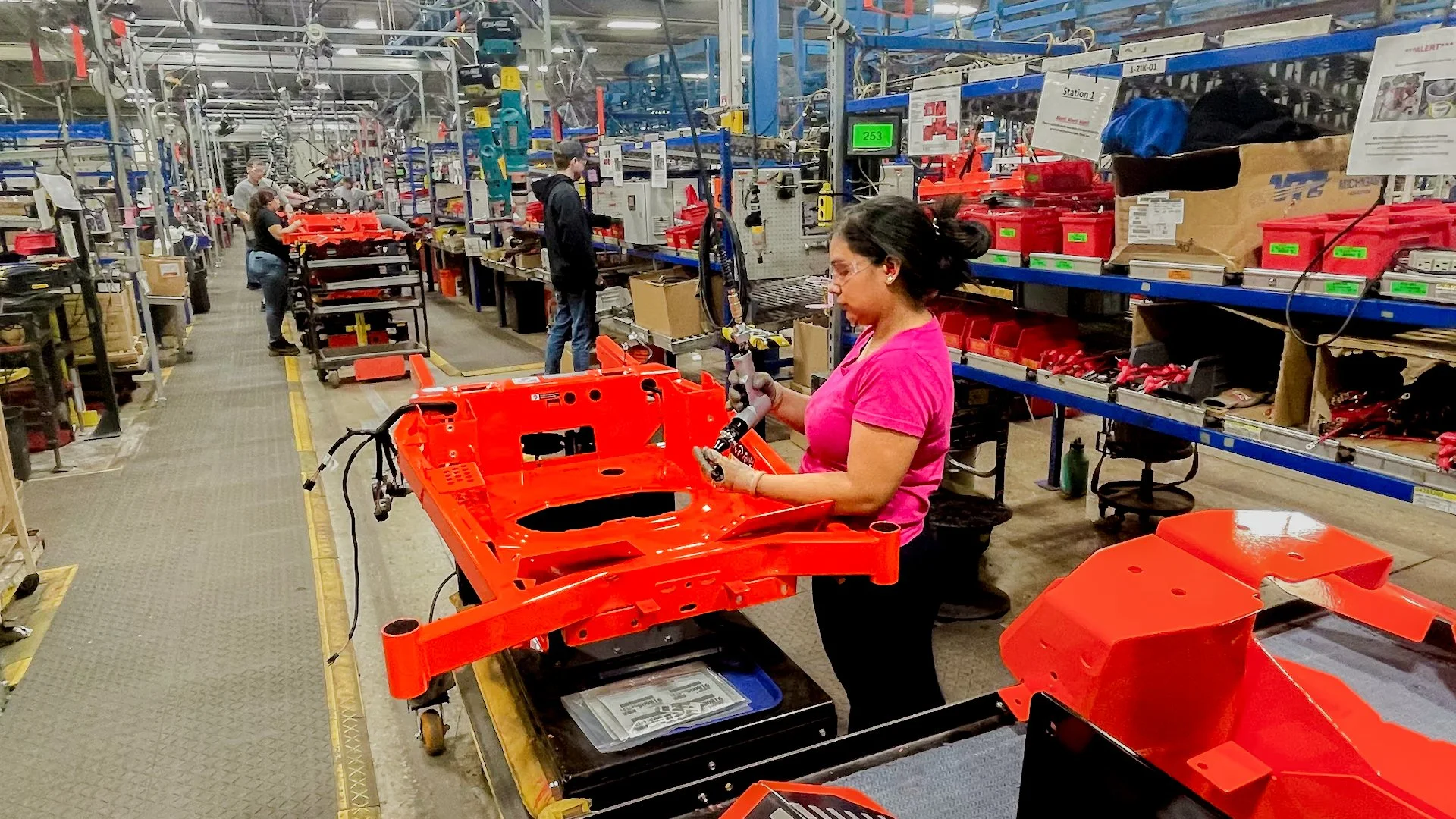
Services continue to drive overall business activity, but their growth is now at its slowest since June. New orders for services increased only marginally, reflecting weaker domestic demand despite a modest rebound in exports. Manufacturing output also grew, but far less than in August’s strong 39-month high, with new orders barely rising. Tariffs were frequently cited as a major driver of higher costs, yet weak demand and competition limited the ability of businesses to pass those costs on to customers.
Interestingly, despite slower growth, the third quarter of 2025 still recorded the strongest average monthly expansion since late 2024, and overall output has now grown continuously for 32 months.
Employment and Capacity
Hiring continues but at a slower pace. Both services and manufacturing sectors reported weaker employment gains, with some companies struggling to fill vacancies while others cut jobs to manage costs. Service sector firms continued hiring in response to rising workloads, but manufacturing showed a greater focus on cost-cutting. Backlogs of work rose in the service sector, indicating unmet demand, while manufacturing backlogs fell, suggesting production is catching up with existing orders.
Inventories and Supply Chains
The slowdown in new orders contributed to a build-up in inventories. Manufacturing inventories reached their largest level in over 18 years of PMI data collection. Supply chain delays, often linked to tariffs and imports, further complicated purchasing, with suppliers’ delivery times lengthening significantly—the second-highest stretch in nearly three years.
Prices and Inflation
Tariffs remain the main driver of input cost increases, particularly in manufacturing. Input price inflation remains elevated, though slightly below August levels. Services inflation hit its second-highest level in 27 months. Despite these cost pressures, selling prices rose at the slowest rate since April, reflecting weak demand and stiff competition. Goods price inflation eased sharply, and services prices rose modestly, suggesting that businesses are cautious about passing costs to customers.
Looking Ahead: Sentiment and Confidence
Businesses are cautiously optimistic. Output expectations for the next year improved to a four-month high, especially in services, while manufacturing sentiment reached a three-month high. Concerns persist over tariffs and broader policy uncertainty, but lower interest rates are supporting business confidence, offering hope for sustained growth in 2026.


Why Forex Traders Care
For Forex traders, these PMI readings are key early indicators of economic health. Slower growth may reduce demand for the US Dollar (USD) in the short term, while easing inflation could influence expectations for Federal Reserve rate decisions. In particular, traders often watch the Composite and Services PMI closely for insights into consumer-driven growth and price trends, which can affect currency pairs like EUR/USD, GBP/USD, and USD/JPY.
Bottom Line for Ordinary Citizens
For everyday people, the September PMI data signals a slower but still-growing economy. Businesses are cautious with hiring and pricing, but confidence is gradually improving. Consumers may benefit from slower price increases, especially in services, even as tariffs continue to affect some goods. Keeping an eye on these trends helps you understand how economic growth and inflation might affect your job prospects, spending power, and investments.
Stay ahead of market trends and understand how reports like the PMI impact your wallet and the US Dollar.
Join GME Academy for our free Forex Trading for Beginners workshop, where we break down complex Forex concepts into simple, actionable insights. Don’t just read the news—learn to trade smarter and protect your financial future today!
