

U.S. Removes Tariffs on Latin American Imports: What Forex Traders Should Know
The United States has announced plans to remove tariffs on select products from Argentina, Ecuador, Guatemala, and El Salvador, a move that could influence global trade, commodity prices, and currency markets. For Forex traders, understanding these developments is crucial, as such trade policies can affect the US Dollar (USD) and cross-currency pairs.
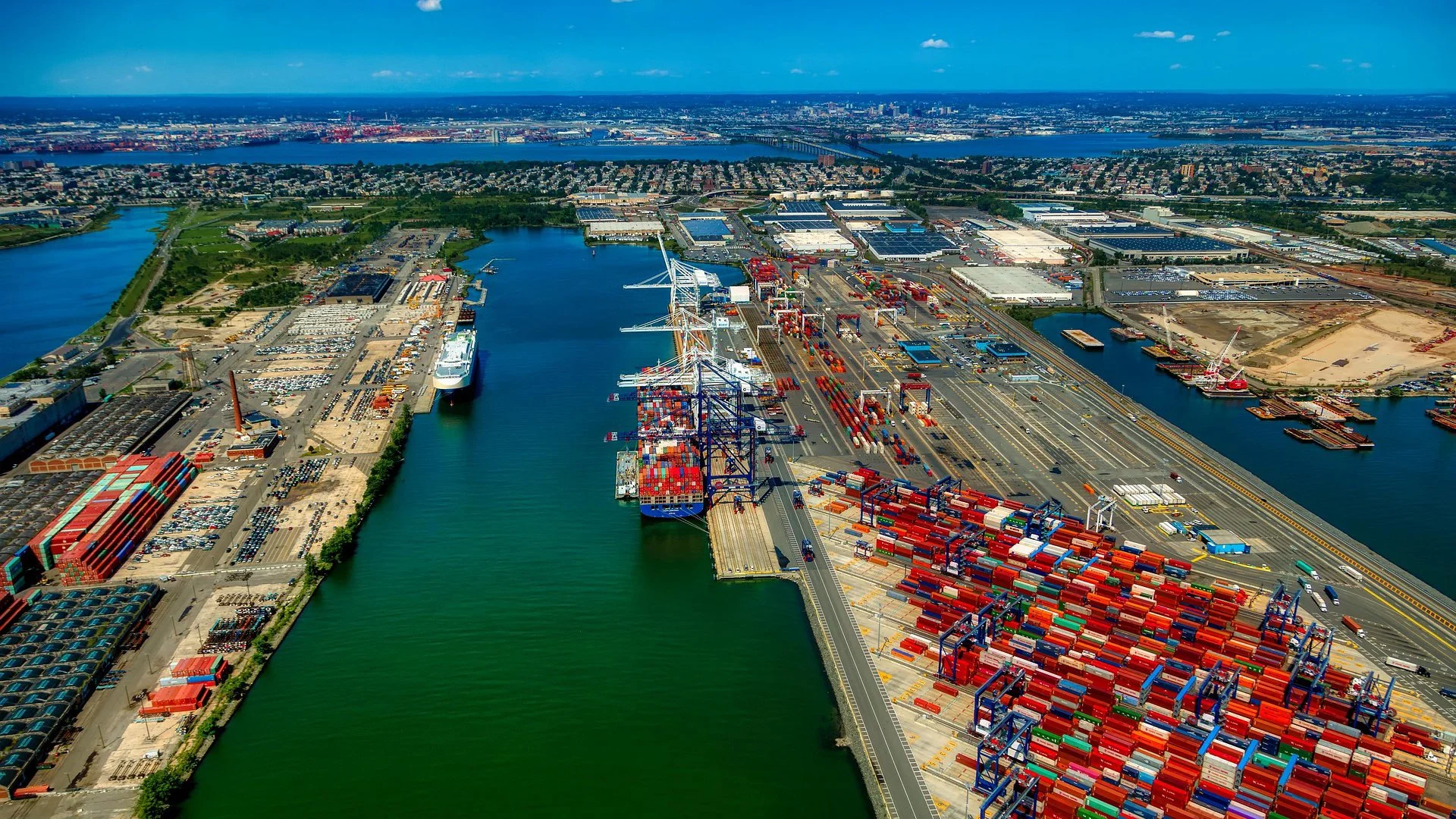
Tariff Relief: What’s Changing
Under the new framework agreements, tariffs on certain goods—primarily coffee, bananas, and other foodstuffs—will be removed. While most tariffs on other goods remain at 10% for Argentina, Guatemala, and El Salvador, and 15% for Ecuador, the selective removal will help lower prices for American consumers and open foreign markets for U.S. companies.
The deals are expected to be finalized in the next two weeks, with additional agreements possible before the end of the year. Officials are also engaged in constructive talks with other countries, including Switzerland and Taiwan, signaling a broader push for trade liberalization.
Why Forex Traders Should Care
Trade policies like these are more than political headlines—they can directly affect currency values:
Impact on the US Dollar: Removing tariffs may slightly reduce inflationary pressures on imported goods, which can influence Federal Reserve policy. A more stable inflation outlook could support a steady USD.
Commodity Currencies in Focus: Countries exporting products affected by the tariff removal—like Ecuadorian bananas and coffee—may see increased trade inflows, potentially strengthening their local currencies (e.g., Ecuador’s USD-pegged currency indirectly impacts regional flows, while Argentina’s ARS and Guatemala’s GTQ may respond to increased investment prospects).
Cross-Currency Opportunities: Forex traders may monitor USD/ARS, USD/GTQ, USD/EUR, and USD/GBP for short-term volatility as markets react to trade news and expectations of altered import/export dynamics.
Trade Deals and Investment Flows
Officials from all four countries welcomed the agreements.
Argentina: The deal is expected to boost U.S. investment and strengthen trade relations, according to Argentine officials.
Guatemala and El Salvador: Leaders emphasized that the agreements enhance competitiveness and investment attractiveness, creating new opportunities for businesses.
Ecuador: The government highlighted benefits for the export sector, including bananas, shrimp, and oil, aligning with broader efforts on anti-narcotics and migration cooperation.
For Forex traders, these agreements highlight the link between trade policy, capital flows, and currency movements. Increased investment and trade can lead to currency appreciation, while uncertainty or delays in agreements can create short-term volatility.
Economic Context: Lower Prices for Consumers
The tariff relief is part of a broader effort to reduce costs for American consumers following public concerns over high prices. Analysts note that food items like coffee and bananas may become cheaper, potentially easing inflation pressures in the United States.
Lower inflation can influence Federal Reserve interest rate decisions, which in turn affect the USD relative to other major currencies.
Traders should monitor economic data releases for consumer price trends to anticipate market reactions.
Key Takeaways for Forex Traders
USD Implications: Tariff removal may stabilize inflation expectations, supporting the Dollar in the medium term.
Regional Currencies: Countries benefiting from increased trade and investment may see currency appreciation, offering trading opportunities in USD/ARS, USD/GTQ, USD/EUR, and similar pairs.
Commodity-Linked Currencies: Ecuador’s export growth could indirectly influence commodity currencies like AUD/USD and CAD/USD, which are sensitive to agricultural and resource trade.
Simple Analogy for Beginners
Think of these trade deals as unlocking doors in a shopping mall:
Before the deal, certain shops (products) were blocked by tariffs.
Removing tariffs opens the doors, increasing traffic (trade) and bringing more money into those shops (investment).
For Forex traders, this increased activity affects the “mall currency” (USD and local currencies), offering trading opportunities.
Master Forex Trading with Real-World News
Trade policies like these create real opportunities in the Forex market, but only if you know how to interpret them.
Join GME Academy’s FREE Forex workshop to learn how to analyze trade agreements, understand their impact on currencies, and confidently trade USD, EUR, GBP, ARS, and other major and emerging market pairs. Start trading smarter today!
