

Fed Cuts Rates to 3.75%-4.00%: What It Means for Forex Markets and Global Traders
Monetary Easing Signals Growing Caution Amid Uncertain U.S. Outlook
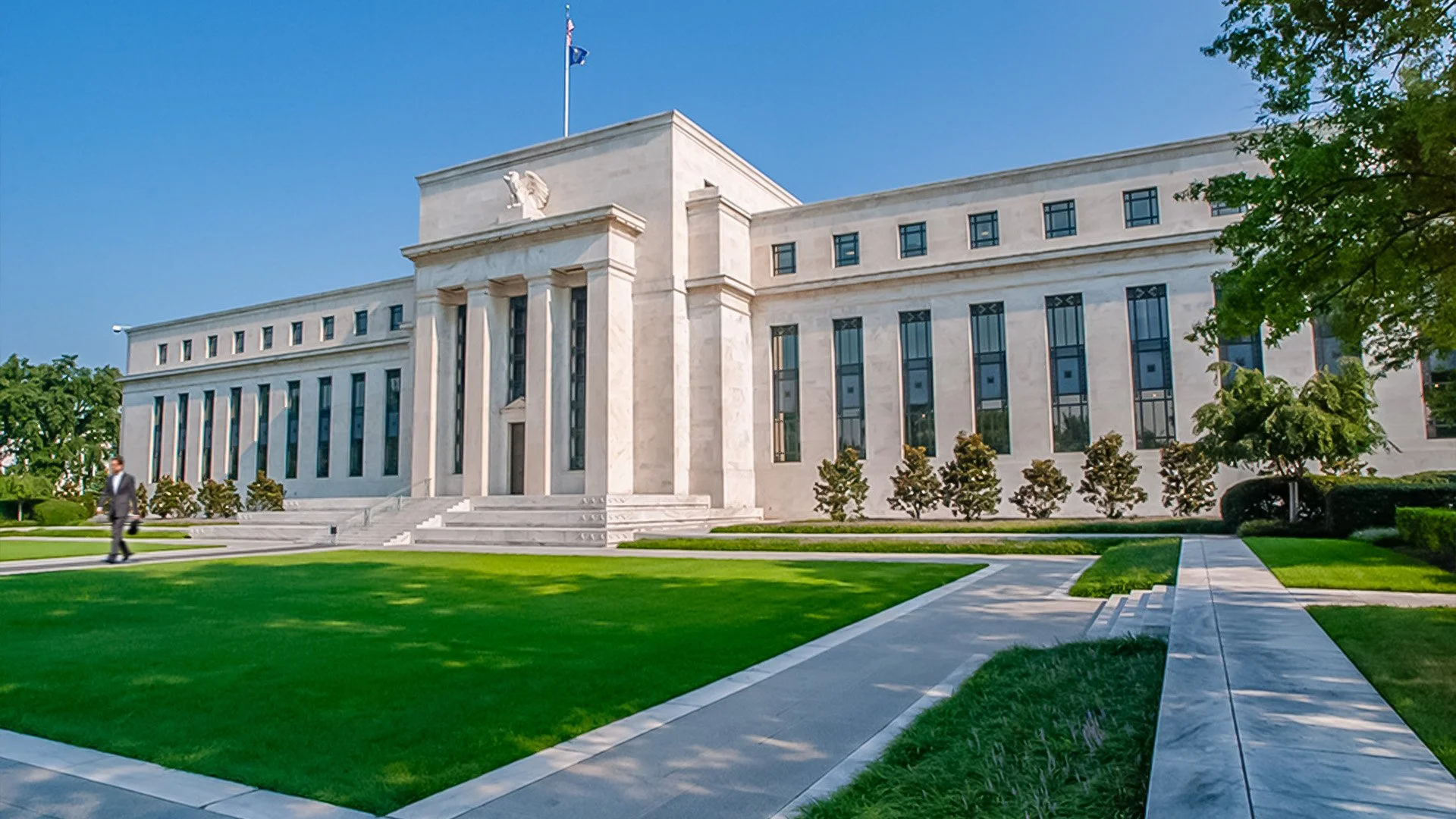
The U.S. Federal Reserve has reduced its benchmark interest rate by 25 basis points, setting the new target range at 3.75% to 4.00%, in response to moderating job gains, elevated inflation, and persistent economic uncertainty. The move, announced following the latest Federal Open Market Committee (FOMC) meeting, underscores a cautious shift in the Fed’s stance as policymakers weigh risks to both inflation and employment.
Available indicators suggest that economic activity in the United States continues to expand at a moderate pace, but signs of softening labor momentum are becoming more apparent. The unemployment rate has edged higher since earlier this year, while inflation remains above the Fed’s long-term 2% objective.
“The Committee seeks to achieve maximum employment and inflation at the rate of 2 percent over the longer run,” the statement read, emphasizing that the Fed remains vigilant to downside risks to employment and the broader economy.
Why the Rate Cut Matters for Forex Traders
For Forex traders, this decision carries significant implications. Short-term interest rates are the most influential factor in currency valuation, and the Fed’s shift toward easing can trigger adjustments across major pairs such as EUR/USD, USD/JPY, and GBP/USD.
Historically, rate cuts tend to weaken the U.S. Dollar as investors reprice yield expectations and shift capital toward higher-yielding or risk-sensitive currencies. However, this time, the Fed’s decision also comes amid global uncertainty — from trade realignments to shifting inflation trends — creating a mixed landscape for the Forex market.
According to analysts, the Fed’s move could soften USD momentum in the near term, but the depth of the decline will depend on global data, risk appetite, and whether other central banks — such as the European Central Bank (ECB) or the Bank of England (BoE) — mirror similar dovish signals.
For Forex Trading for Beginners, this moment offers a learning opportunity. When the Fed cuts rates, it generally reduces demand for the USD, making pairs like EUR/USD or AUD/USD potentially more volatile. Traders must also consider that market expectations often price in these decisions early, so the focus quickly shifts to the tone of the accompanying FOMC statement — especially any guidance on future moves.
Fed’s Balancing Act: Inflation, Employment, and Global Pressures
Despite the rate reduction, the Fed maintains that inflation remains “somewhat elevated.” While consumer price pressures have moderated from their 2023 peaks, sticky service costs and housing inflation continue to complicate policy decisions.
In the broader context, the Fed’s decision to end the reduction of its securities holdings on December 1 signals a gradual unwinding of quantitative tightening — a measure that could support market liquidity in the coming months.
This balancing act highlights the Fed’s dual mandate: promoting maximum employment while maintaining stable prices. With job growth cooling and inflation hovering above target, the central bank is treading carefully to prevent tipping the economy into a sharper slowdown.
Market Reactions and the Road Ahead
Immediately after the announcement, Forex markets showed moderate movement as traders parsed the Fed’s tone for future policy hints. Bond yields slipped, while the USD Index (DXY) saw mild declines against major counterparts.
Looking ahead, markets will be watching closely for upcoming data releases — particularly non-farm payrolls, CPI, and retail sales — for clues on whether this cut marks the start of a longer easing cycle or a temporary recalibration.
Analysts from Global Markets Eruditio (GME Academy) note that this environment demands both technical precision and macro awareness. “This is a time when understanding the Fed’s messaging and its ripple effects on global currencies can make or break trading outcomes,” a GME Academy strategist said.


The Takeaway for Forex Traders
With the Fed funds rate now at its lowest level in over a year, the central bank is signaling flexibility but not surrender. For Forex traders, the message is clear: volatility is returning, and so are opportunities. Whether you’re trading USD/JPY, EUR/USD, or GBP/USD, understanding the Fed’s stance on interest rates is crucial to positioning yourself effectively in the market.
Learn How Central Bank Moves Shape Forex Markets
Understanding how rate cuts and FOMC statements affect currency trends is key to consistent trading success.
Join our FREE Forex Workshop at GME Academy and learn how to interpret global monetary policy, master macroeconomic analysis, and trade with confidence in any market condition.
