

Understanding Safe Haven Currencies: How USD, JPY, CHF, and Gold Protect Traders in Volatile Markets
In the ever-changing world of Forex trading, understanding the concept of safe-haven assets is crucial. These are currencies and commodities that investors turn to in times of economic uncertainty, political tension, or global market turbulence. Among the most widely recognized safe-haven currencies are the U.S. Dollar (USD), Japanese Yen (JPY), Swiss Franc (CHF), and even gold.
For Forex traders — beginners and seasoned alike — knowing how and why these assets react during market stress can help manage risk, protect capital, and identify trading opportunities.
 https://images.squarespace-cdn.com/content/619b666b5842697e2af69258/a9d57b27-4fad-4532-874a-89133d6a85bc/P477.02.jpg?content-type=image%2Fjpeg
What Are Safe-Haven Currencies?
A safe-haven currency is one that tends to retain or increase its value during periods of global financial instability. Unlike other currencies that might depreciate due to political unrest, economic slowdown, or financial crises, safe-haven currencies are considered stable, reliable, and liquid.
The key characteristics of safe-haven currencies include:
Stability in value: They resist sharp devaluation during crises.
High liquidity: They are widely traded globally, ensuring easy conversion and low transaction costs.
Strong economic fundamentals: The countries backing these currencies typically have strong fiscal policies, low debt, and sound financial systems.
The U.S. Dollar (USD)
The U.S. Dollar is the most widely used reserve currency in the world. It benefits from:
The size and stability of the U.S. economy
Deep and liquid financial markets
Its role as the primary currency in global trade and commodities
During periods of global uncertainty, the USD often strengthens against other currencies, as investors seek safety and liquidity. Currency pairs such as EUR/USD or GBP/USD tend to experience significant movements when risk sentiment shifts toward or away from the USD.


The Japanese Yen (JPY)
The Japanese Yen is another major safe-haven currency. Its appeal comes from:
Japan’s large current account surplus
Low-interest-rate environment, which makes it attractive for carry trades during risk-off periods
A history of capital inflows during global crises
Traders often notice that during geopolitical tensions or stock market sell-offs, the JPY appreciates, especially against riskier currencies like AUD or NZD. Pairs such as USD/JPY or GBP/JPY can exhibit rapid movements, creating trading opportunities for both short-term and swing traders.
The Swiss Franc (CHF)
The Swiss Franc is widely regarded as a safe haven due to:
Switzerland’s strong fiscal position and low national debt
Political neutrality and a stable banking system
Limited exposure to global economic shocks
When global risk sentiment worsens, the CHF often gains strength, particularly against currencies perceived as more volatile. For traders, watching EUR/CHF or USD/CHF can provide insights into market risk appetite.
Gold: The Timeless Safe Haven
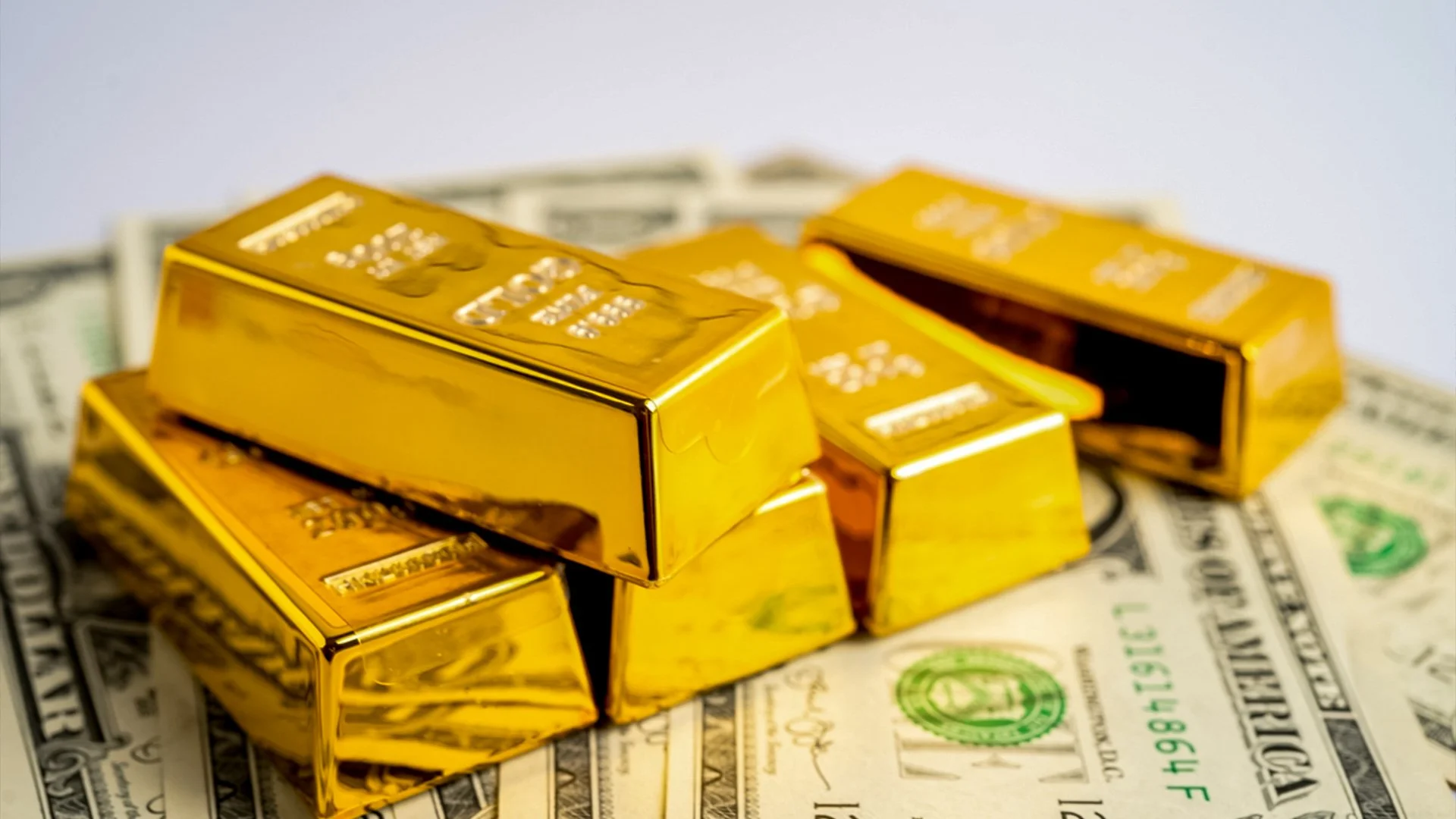
While not a currency, gold functions as a safe-haven asset. It preserves wealth during periods of currency depreciation, high inflation, or financial instability. Gold often moves inversely to the U.S. Dollar: when the USD weakens, gold prices tend to rise, and vice versa. Traders often monitor XAU/USD (gold priced in USD) to gauge market risk sentiment.
Why Safe-Haven Currencies Matter for Forex Traders
For those learning Forex trading for beginners, safe-haven currencies are essential tools for risk management:
Hedging during volatility: Traders can shift positions to safe-havens to protect capital.
Identifying market sentiment: Rapid moves in USD, JPY, CHF, or gold often signal risk-off behavior.
Opportunities for speculation: Sudden inflows to safe-haven assets can create profitable short-term trades for savvy traders.
At GME Academy (Global Markets Eruditio), we emphasize how safe-haven assets can be incorporated into a strategic Forex plan, helping traders interpret geopolitical, economic, and financial events to make informed decisions.
Key Takeaways
Safe-haven currencies appreciate during global uncertainty and protect traders’ capital.
USD, JPY, and CHF are currency-based safe havens, while gold acts as a commodity hedge.
Monitoring safe-haven flows helps Forex traders gauge risk appetite and anticipate volatility in currency pairs.
Incorporating safe-havens into your trading strategy is a fundamental skill for both beginners and advanced traders.
Join Our FREE Forex Workshop!
Learn how to trade Forex using safe-haven currencies and commodities like gold. At GME Academy, we provide step-by-step guidance for Forex trading for beginners, teaching how to interpret market signals and build strategies that work in volatile conditions.
Sign up today and master safe-haven trading strategies for USD, JPY, CHF, and gold!
