

How Wars, Sanctions, and Trade Tensions Shape Currency Markets: A Forex Perspective
Global Conflicts and Currency Volatility
In the complex world of Forex trading, geopolitical events like wars, sanctions, and trade tensions can significantly impact currency values. Investors often view such events as signals of risk or uncertainty, prompting shifts in capital flows and altering the demand for various currencies. Understanding these dynamics is essential for both seasoned traders and beginners learning how to navigate global markets.
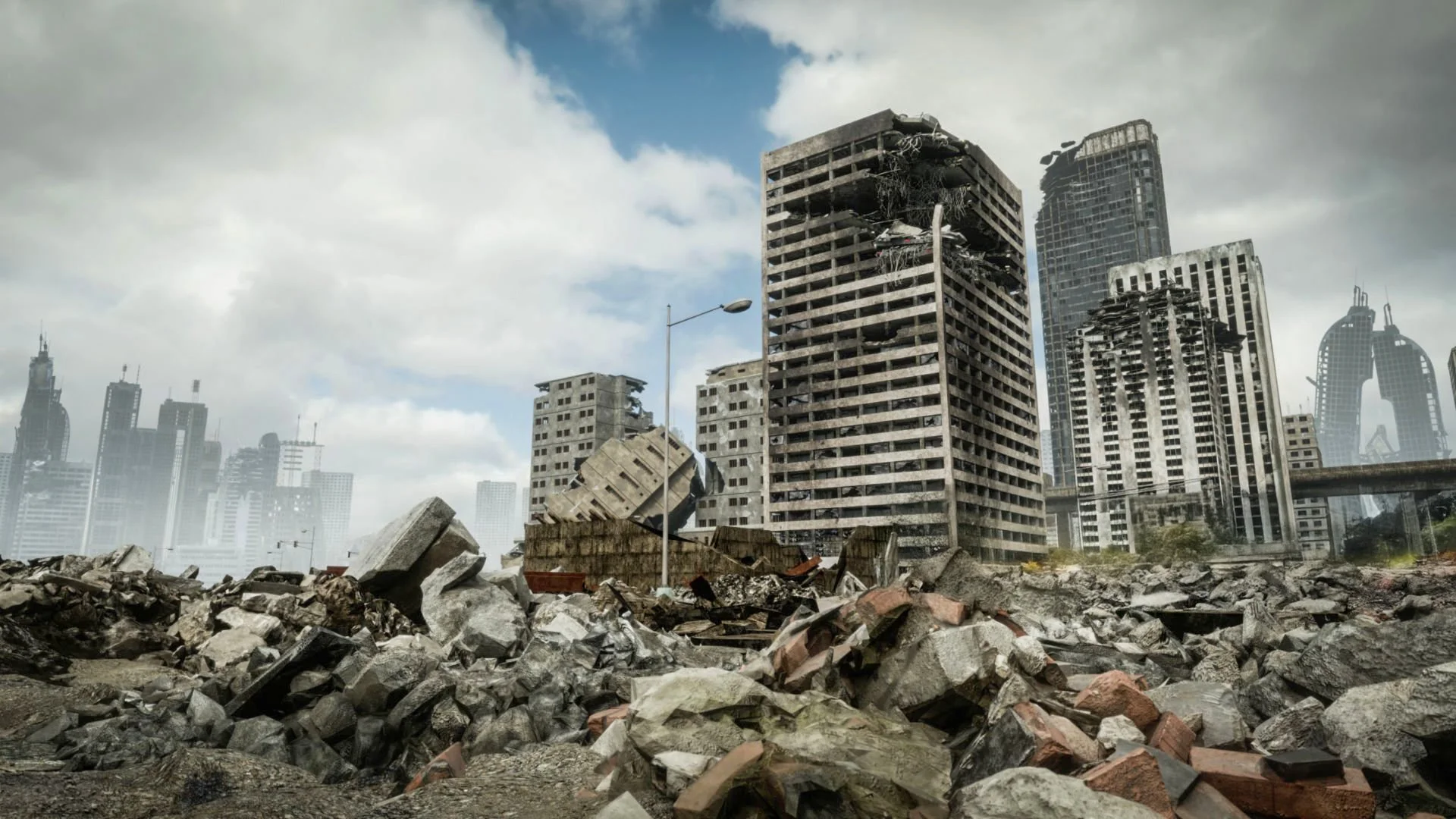
Wars and armed conflicts create economic uncertainty, which typically benefits “safe-haven” currencies like the US Dollar (USD), Swiss Franc (CHF), and Japanese Yen (JPY). For instance, during periods of heightened tension in the Middle East, the USD often strengthens as investors move capital out of riskier assets. Conversely, currencies of nations directly involved in conflicts, such as the Russian Ruble (RUB) during regional wars or sanctions, may experience steep declines due to economic instability and reduced investor confidence.
 https://images.squarespace-cdn.com/content/619b666b5842697e2af69258/a9d57b27-4fad-4532-874a-89133d6a85bc/P477.02.jpg?content-type=image%2Fjpeg
Sanctions and Their Ripple Effects
Economic sanctions imposed by major powers can also reshape currency markets. Sanctions often restrict trade, limit access to foreign capital, or freeze assets of targeted countries, leading to weakened domestic currencies. A notable example is the RUB/USD pair, which showed high volatility during sanctions imposed on Russia, as reduced foreign investment and export restrictions directly affected Russia’s economic fundamentals.
Countries facing sanctions may experience inflationary pressures, reduced export revenues, and diminished foreign reserves, all of which can contribute to a decline in the value of their currency. Traders need to monitor not only the announcement of sanctions but also their potential duration and enforcement measures, as these factors can drive market sentiment for weeks or months.
Trade Tensions and Tariffs
Trade disputes between major economies, such as the United States and China, can create ripple effects across currency markets. Tariffs, import restrictions, and retaliatory measures can impact economic growth, affecting the strength of national currencies. For instance, during heightened US-China trade tensions, the Chinese Yuan (CNY) weakened against the USD, as export restrictions and reduced foreign investment dampened market confidence.
Similarly, currencies of smaller, export-reliant economies like CAD (Canadian Dollar) or AUD (Australian Dollar) can also be affected by trade disputes involving their primary trading partners. Forex traders often monitor trade talks, tariff announcements, and economic indicators closely, as these events can trigger significant short-term volatility in pairs like USD/CAD, AUD/USD, and EUR/USD.
Trading Strategies During Geopolitical Uncertainty
Navigating Forex markets amid wars, sanctions, or trade tensions requires careful planning:
Safe-Haven Trading: Focus on currencies historically seen as safe havens, such as USD, CHF, and JPY, during periods of heightened geopolitical risk.
Hedging and Diversification: Use multiple currency pairs to hedge against adverse movements in any single currency.
Monitor Real-Time News: Platforms like GME Academy (Global Markets Eruditio) teach traders how to incorporate real-time geopolitical developments into trading decisions.
Volatility-Based Positioning: Implement strategies such as straddles or smaller position sizes to mitigate risks during unpredictable events.
Understanding correlations is also crucial. For example, a surge in oil prices due to Middle East conflict might strengthen the CAD and NOK, while weakening riskier emerging market currencies. Forex traders need to anticipate these knock-on effects and adjust strategies accordingly.
The Role of Education in Geopolitical Forex Trading
For beginners, trading around geopolitical events can seem daunting. Education platforms like GME Academy (Global Markets Eruditio) provide practical guidance on translating news into actionable Forex strategies. By learning how wars, sanctions, and trade tensions influence major pairs like EUR/USD, USD/JPY, GBP/USD, and USD/CAD, traders gain a structured approach to managing risk while taking advantage of market volatility.
Bottom Line
Wars, sanctions, and trade tensions are more than headlines—they are powerful drivers of Forex market volatility. Traders who understand the geopolitical and economic context behind these events can make more informed decisions, protect capital, and capitalize on currency swings.
Whether you trade USD, EUR, JPY, GBP, CAD, or other currency pairs, mastering the link between geopolitics and currency movements is crucial for success in Forex trading.
Join Our FREE Forex Workshop
At GME Academy, we teach Forex trading for beginners using real-world political, economic, and geopolitical news. Learn how to turn developments like wars, sanctions, and trade tensions into actionable insights and trade major currency pairs like EUR/USD, USD/JPY, GBP/USD, and USD/CAD with confidence.
