

The Silent Account Killers: Why Doing "Less" Is the Secret to Professional Forex Profits
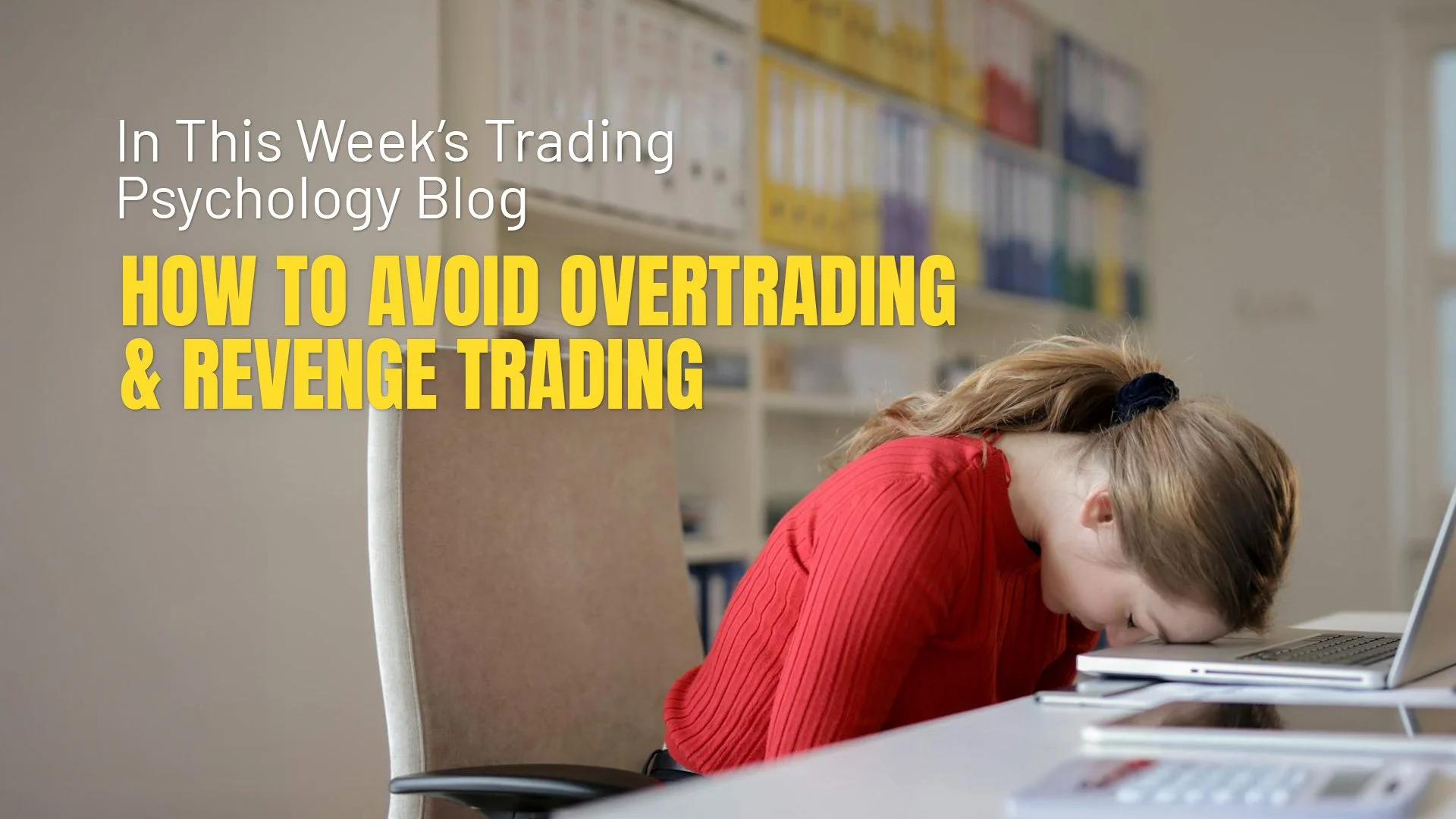
You’ve just closed a losing trade on the EUR/USD. The sting of the loss is fresh, and your immediate instinct isn't to walk away and analyze—it’s to get that money back. Within minutes, you’ve increased your lot size and jumped back into the market, desperate to "fix" your balance.
If this sounds familiar, you aren’t just trading currencies; you are battling two of the most destructive behaviors in the financial world: Overtrading and Revenge Trading.
At Global Markets Eruditio, we have observed that the difference between a retail hobbyist and a professional trader isn't the number of trades they take, but the discipline they show when not trading. For those navigating Forex trading for beginners, mastering the "art of doing nothing" is often the hardest, yet most profitable, skill to learn.
 https://images.squarespace-cdn.com/content/619b666b5842697e2af69258/a9d57b27-4fad-4532-874a-89133d6a85bc/P477.02.jpg?content-type=image%2Fjpeg
The Overtrading Trap: When Quantity Destroys Quality
Overtrading occurs when a trader enters too many positions, often ignoring their established strategy. In the fast-paced world of Forex, where the US Dollar (USD) and other major currencies are fluctuating 24/5, the temptation to be "always in the market" is overwhelming.
Beginners often mistake activity for productivity. They believe that to make more money, they must click the "buy" or "sell" button more frequently. This leads to taking "B-grade" setups—trades that only half-meet their criteria.
When you overtrade, you aren't just risking your capital; you are bleeding it out through spreads and commissions. More importantly, you are exhausting your "decision capital." Each trade requires mental energy. By the time a high-probability setup finally appears on a pair like the USD/CAD, your brain is too fatigued to execute it correctly.
Revenge Trading: The Dangerous Desire to "Get Even"
Revenge trading is the emotional "counter-attack" after a loss. It is fueled by anger, ego, and a refusal to accept that the market doesn't care about your feelings.
Imagine you took a loss on the GBP/JPY. Because this pair is highly volatile, the loss might have been larger than expected. Instead of stepping back, you feel a surge of adrenaline. You tell yourself, "The market is wrong, and I’m going to take my money back." You re-enter with double the risk, hoping one big win will wipe out the previous loss.
This is no longer Forex trading; it is gambling. Revenge trading ignores risk management entirely. It often leads to a "death spiral" where one emotional trade leads to another, eventually resulting in a margin call that wipes out your entire account.
The Economic Toll on Your Portfolio
The dangers of these behaviors aren't just psychological—they are mathematically devastating. Consider the impact on your "edge." A strategy might have a 60% win rate when followed perfectly. However, when you add impulsive revenge trades on the EUR/USD or boredom-induced overtrading on the Canadian Dollar (CAD), that win rate plummets.
Furthermore, overtrading often leads to "over-leveraging." To fund multiple positions at once, traders use more leverage than their account can safely handle. A small move against you in a major pair can then trigger a catastrophic loss.

How to Break the Cycle with GME Academy
The key to professional-grade consistency is a shift in mindset. At GME Academy, we teach our students to treat Forex as a business of elite execution, not a game of constant action. To protect your capital from yourself, consider these three pillars:
The "Daily Loss" Circuit Breaker: Set a hard limit on how much you are willing to lose in one day. Once hit, your platform is closed—no exceptions.
The Quality Filter: If a trade setup isn't "textbook," it doesn't exist. It is better to miss a winning trade than to take a losing one that didn't fit your plan.
Mandatory Cooling-Off Periods: After any loss, force yourself to walk away from the screens for at least an hour. This allows your "primitive brain" to calm down and your "rational brain" to take back control.
Stop Chasing, Start Trading
The market will always be there tomorrow. The goal is to ensure your capital is there, too. If you've been struggling with the emotional rollercoaster of the markets, it's time to build a professional foundation.
Join our FREE Forex Workshop this week! Learn the exact risk management frameworks used by institutional traders to stay disciplined and profitable.
