

The Silent Account Killer: Why "Doing Nothing" Is Sometimes the Best Trade
In the fast-paced world of Forex trading, there is a common misconception that more screen time equals more profit. For many, the itch to click "buy" or "sell" is constant. However, one of the most vital lessons taught at Global Markets Eruditio is that knowing when not to trade is just as important as knowing your entry signals.
Success in the markets isn't just about strategy; it's about environment. Just as a sailor wouldn't head into a dead-calm sea or a Category 5 hurricane, a trader must recognize when the market "weather" is too risky. For those exploring Forex trading for beginners, understanding the dangers of thin liquidity and holiday schedules is the first step toward long-term capital preservation.
 https://images.squarespace-cdn.com/content/619b666b5842697e2af69258/a9d57b27-4fad-4532-874a-89133d6a85bc/P477.02.jpg?content-type=image%2Fjpeg
1. The Ghost Town: Bank Holidays and "Thin" Markets
The Forex market is decentralized, meaning it technically stays open 24 hours a day. However, it relies on major financial hubs—London, New York, Tokyo, and Sydney—to provide "liquidity." Liquidity refers to the ease with which you can enter and exit a trade without significantly moving the price.
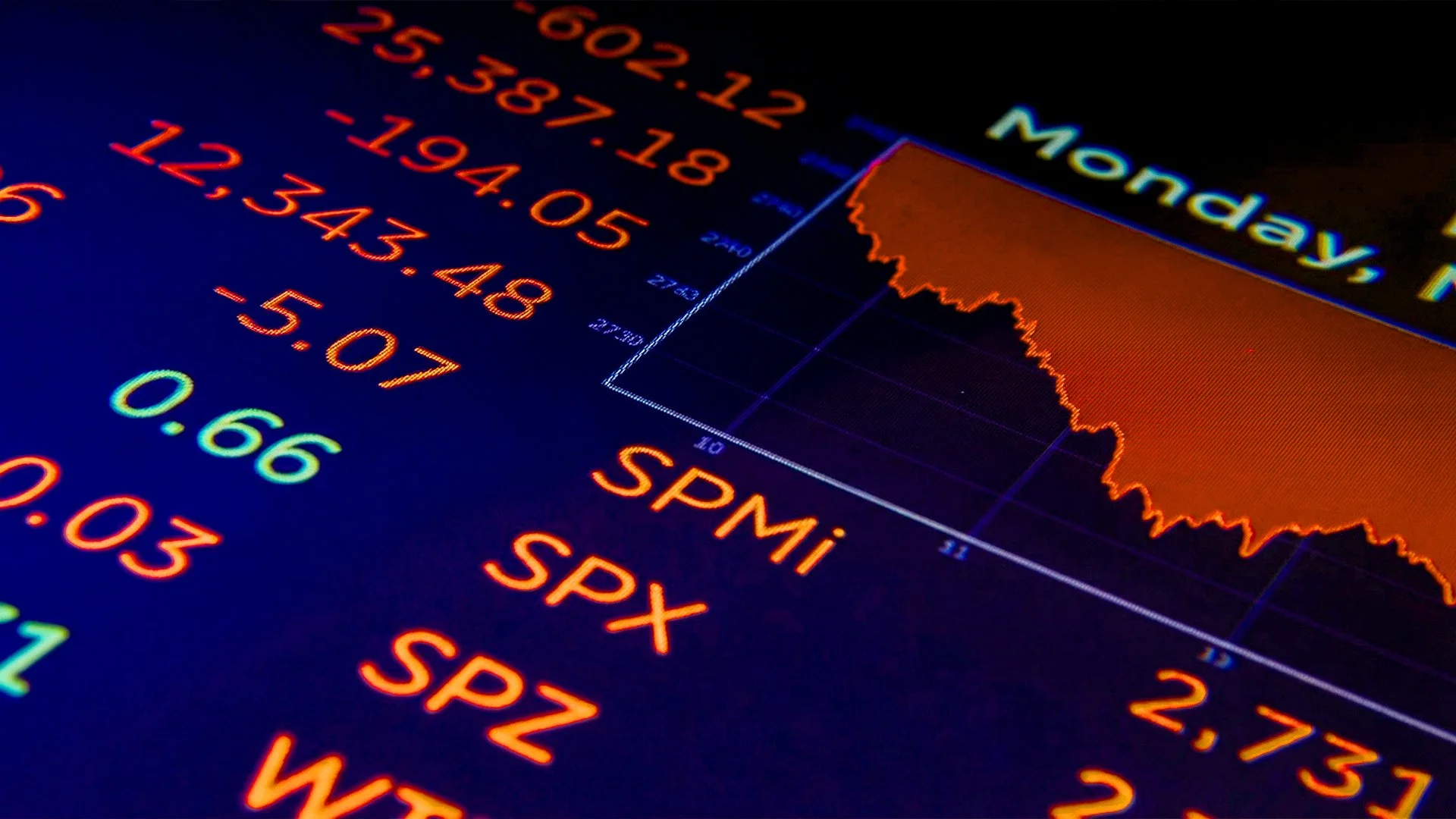
When major banks in the US or Europe are closed for holidays, liquidity "thins out." This creates a dangerous environment where even small orders can cause massive, erratic price spikes.
US Bank Holidays: When the US Dollar (USD) is on holiday (e.g., Thanksgiving or Presidents' Day), the volume in the EUR/USD or USD/JPY pairs drops significantly.
The Spread Trap: During these times, your broker may widen the "spread" (the difference between the buy and sell price). What looks like a 1-pip spread on a Tuesday might balloon to 10 pips on a holiday, putting you in an immediate hole.
2. The Danger of "The Gap": Weekends and Market Openings
Unlike stocks, the currency market closes on Friday evening and reopens Sunday afternoon (EST). While you are away from your desk, the world keeps turning. Geopolitical shifts, natural disasters, or surprise economic statements can occur while the market is "dark."
When the market reopens on Sunday, the price often "gaps"—meaning it opens at a significantly different level than where it closed on Friday. If you are holding a position in GBP/JPY and a major political event happens over the weekend, the market could gap right past your Stop Loss, resulting in a much larger loss than you planned for. At GME Academy, we often advise beginners to clear their plates before the weekend to avoid these uncontrollable risks.
3. Single-Economy Shocks: The "Red Folder" Events
Trading isn't just about global holidays; it's about the specific "holidays" of individual economies. If you are trading the Canadian Dollar (CAD), you must be aware of Canadian-specific bank holidays or high-impact news like the Bank of Canada interest rate decisions.
Trying to trade USD/CAD during a major Canadian news release without experience is like jumping into a blender. High-impact news creates "slippage," where your trade is executed at a much worse price than you requested because the market is moving too fast for the liquidity providers to keep up.
4. The Summer and Year-End Doldrums
There are certain times of the year when institutional "big money" players—the ones who actually move the markets—go on vacation.
August: Many European and US fund managers take their summer breaks.
December (The Last Two Weeks): From mid-December through New Year’s Day, volumes dry up.
During these periods, the market often enters a "choppy" state. Trends become unreliable, and technical analysis patterns like "head and shoulders" or "support and rebound" fail more frequently because there isn't enough volume to sustain the moves.

Patience is a Profit Center
The most disciplined traders treat their capital like a business. If the conditions aren't right, they don't open for business. By avoiding these "danger zones," you protect yourself from the "black swan" events and erratic movements that wipe out unprepared accounts.
Ready to stop guessing and start trading with a professional edge? Education is the only bridge between gambling and consistent growth.
Don’t navigate these volatile waters alone.
Join our FREE Forex Workshop today and learn the professional frameworks used by veteran traders to identify high-probability setups while avoiding the traps of thin liquidity.
