

Diplomatic Deadlock: Plans for U.S.-Iran Nuclear Talks Are Collapsing
The high-stakes effort to revive direct diplomacy between Washington and Tehran is on the brink of failure. According to a "scoop" report from Axios on Thursday, February 5, 2026, U.S. officials are warning that plans for a landmark meeting scheduled for this Friday have effectively collapsed.
At the GME Academy, we have been tracking this "Diplomatic Window" as the primary pivot point for global risk sentiment. The breakdown in talks shifts the narrative from "De-escalation" to "Defensive Posturing," with immediate implications for the energy markets and the US Dollar.
1. The Breaking Point: From "Fair Talks" to Drone Strikes
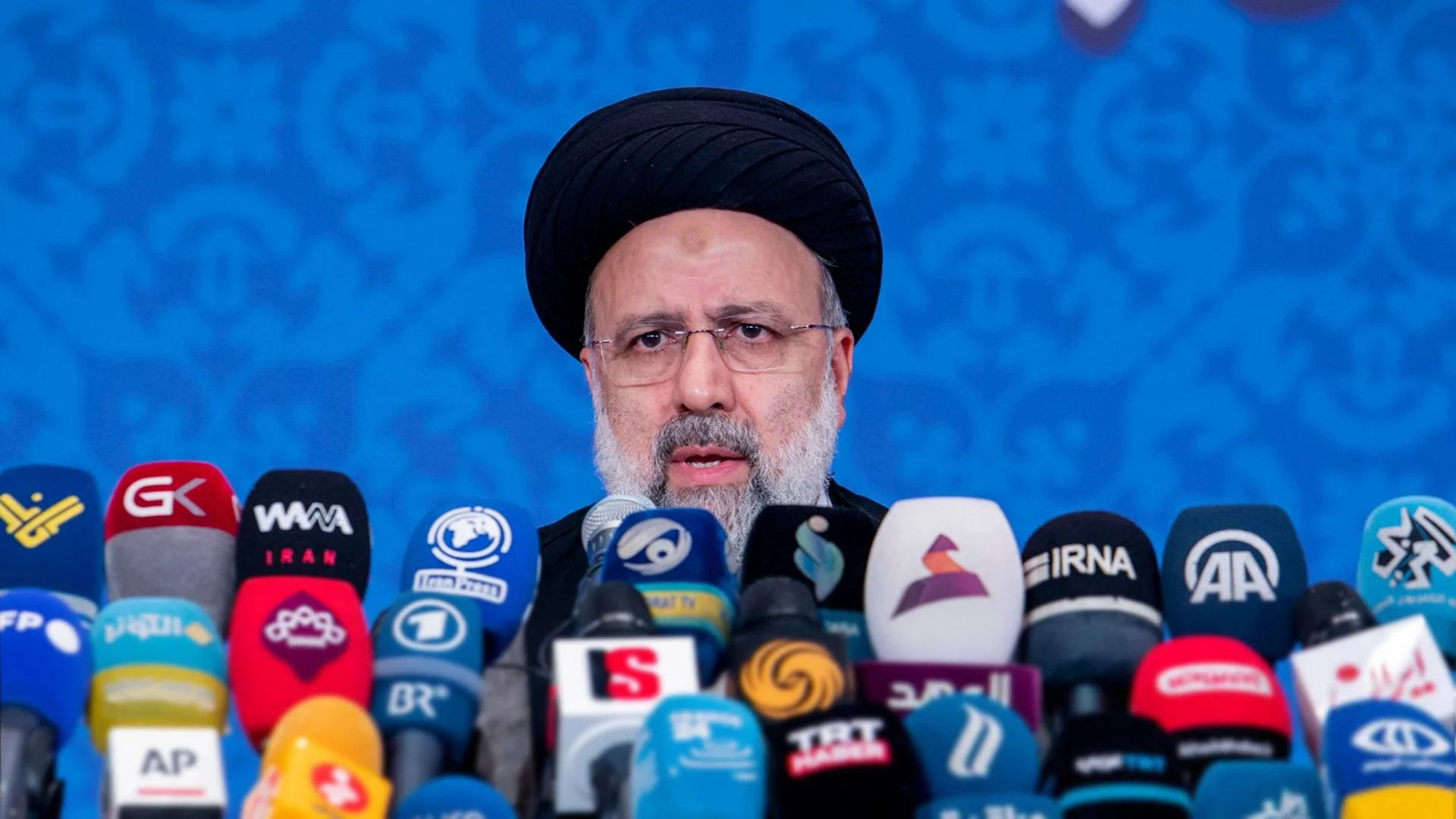
Just 48 hours ago, Iranian President Masoud Pezeshkian signaled a willingness to engage in "fair and equitable" negotiations. However, a series of rapid-fire escalations in the Arabian Sea has poisoned the atmosphere.
The Military Spark: On Tuesday, a U.S. Navy F-35C shot down an Iranian Shahed-139 drone that aggressively approached the USS Abraham Lincoln.
The "Witkoff Mission" in Jeopardy: U.S. Special Envoy Steve Witkoff was reportedly prepared to meet Iranian representatives in a neutral third country (likely Oman or Switzerland). Axios reports that the U.S. side now views the Iranian "harassment" of tankers and carriers as a sign that Tehran is not negotiating in good faith.
The "Sabotage" Theory: U.S. intelligence suggests that hardline elements within the IRGC (Islamic Revolutionary Guard Corps) are intentionally sabotaging Pezeshkian’s diplomatic efforts to prevent any thaw in relations with the Trump administration.
2. Oil Markets: The "Diplomatic Discount" Disappears
For the past week, oil prices had been trading at a "discount" as investors hoped a deal would secure the flow of crude through the Strait of Hormuz. With the talks collapsing, that discount is being replaced by a "Risk Premium."
Price Surge: Following the Axios report, Brent Crude jumped toward $68.50, while WTI tested the $65.00 resistance level.
Supply Fears: Traders are now pricing in the possibility of increased U.S. sanctions (the "Maximum Pressure" 2.0 campaign) and potential Iranian retaliation against maritime trade.
3. Forex Impact: The "Flight to Quality."
The collapse of the nuclear talks is a classic "Risk-Off" event for Forex traders.
Bullish USD: The US Dollar (DXY) remains the ultimate safe haven. As geopolitical uncertainty rises, capital flows out of emerging markets (like the Philippines) and into the Greenback.
Weakening Peso: For the USD/PHP, this news provides "fundamental fuel" for the pair to stay near the ₱59.50 level. High oil prices (caused by the talk collapse) lead to "Imported Inflation" in the Philippines, further weakening the Peso.
Gold Rebound: XAU/USD (Gold) saw a sharp uptick as the collapse of diplomacy usually signals a return to military "Gray Zone" activity.
4. The Trump Factor: "No Deal Better Than a Bad Deal."
President Trump has maintained a "negotiate from strength" stance. Axios reports that the White House is "unmoved" by Tehran’s diplomatic overtures if they are accompanied by military provocation.
The "Massive Armada": The U.S. has maintained a carrier strike group and an additional amphibious ready group in the region, signaling that while the door to the meeting room is closing, the "military option" is wide open.

The GME Academy Analysis: "Trade the Tension, Not the Talk"
At Global Markets Eruditio, we remind our students: Markets hate uncertainty more than they hate bad news. The "Will they, won't they" phase of the nuclear talks was keeping volatility high. Now that the plans are collapsing, we expect a clearer trend toward a stronger Dollar and higher Energy prices.
Are You Prepared for a "Maximum Pressure" Weekend? With the Friday talks effectively off the table, the weekend carries high "Gap Risk." If the U.S. announces new sanctions on Saturday, oil could open significantly higher on Monday.
Join our FREE Geopolitics & Commodities Workshop. Learn how to read "Diplomatic Scoops" to predict market reversals. We’ll show you how to use Crude Oil Futures to hedge your currency trades and how to spot the "Safe-Haven" entries when headlines from the Middle East turn red.
