


The Labor Market Cracks: ADP Report Reveals 32,000 Job Loss, Rocking the USD
The release of the November 2025 ADP National Employment Report delivered a profound shock to the market. Private employers did not just slow hiring; they actively cut 32,000 jobs, marking the weakest monthly performance since the acute disruptions of the post-pandemic era. This figure stood in stark contrast to consensus forecasts, which had generally anticipated a modest gain in employment.
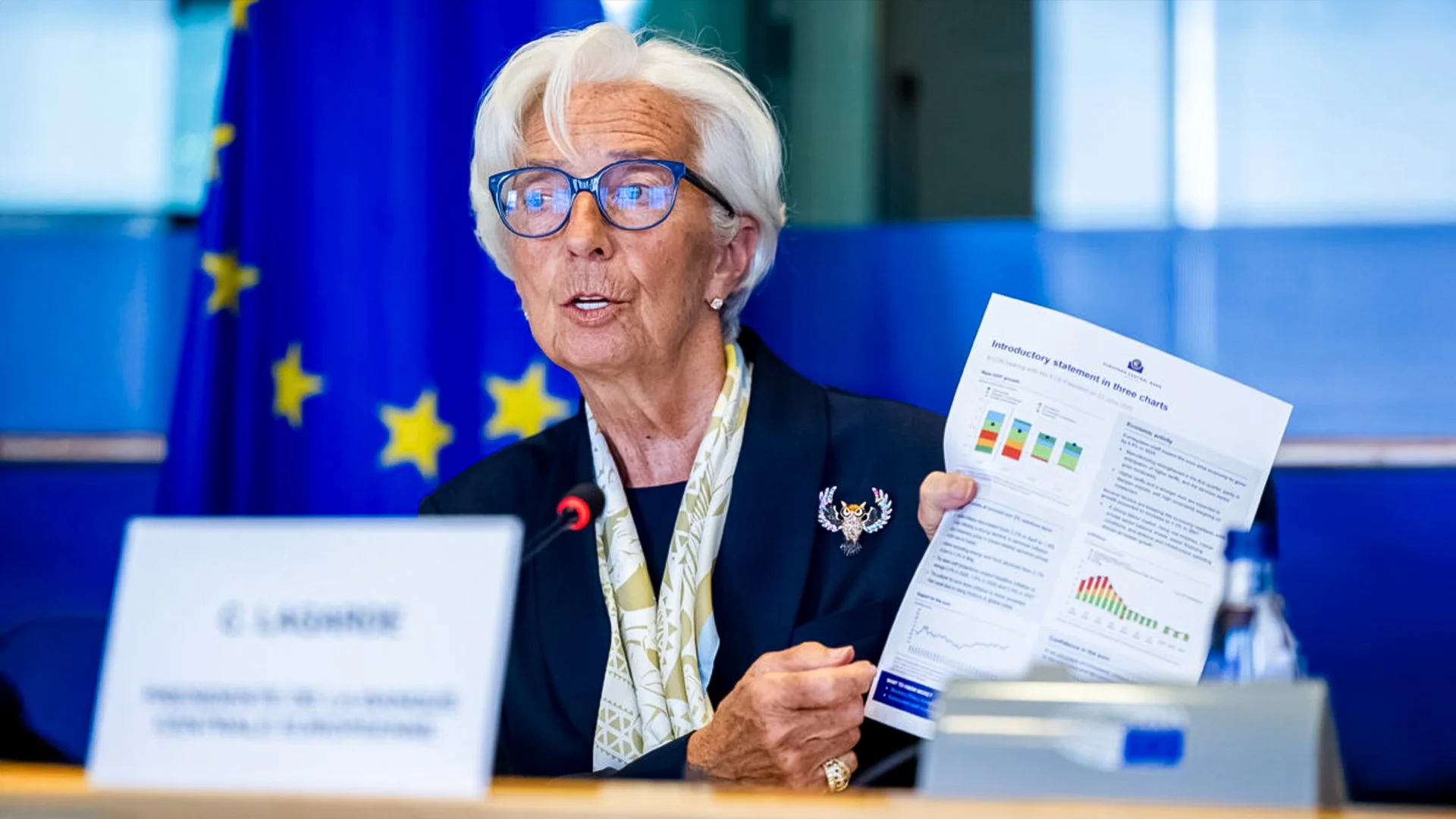
Lagarde's Arsenal: How the ECB Fights for Stability as the Euro Faces Global Headwinds
On December 3, 2025, European Central Bank President Christine Lagarde delivered a pivotal speech at the Hearing of the Committee on Economic and Monetary Affairs of the European Parliament. Her address centered on the ECB's comprehensive monetary policy toolkit, set against a backdrop of profound technological, geopolitical, and structural shifts.

Flatlining Prices: Swiss Inflation Hits 0.0%—A New Challenge for the CHF
The Swiss Federal Statistical Office reported that the country’s inflation rate reached a standstill in November 2025. The Consumer Price Index (CPI) dropped by 0.2% compared to the previous month (MoM), resulting in an annual inflation rate of 0.0% (YoY) compared with November 2024. This flat result, slightly below market expectations, places Switzerland's inflation firmly at the lower bound of the SNB's target range of 0% to 2%.

The Great Divide: Why Surging Meat Prices Couldn't Save the NZD's Commodity Index
The latest ANZ Commodity Price Index for November 2025 painted a picture of deep divergence within New Zealand’s critical export sectors. The ANZ World Commodity Price Index fell by 1.6% month-on-month (m/m), marking a pivotal moment as the overall index is now 0.2% lower than a year ago—the first annual fall recorded since December 2023.
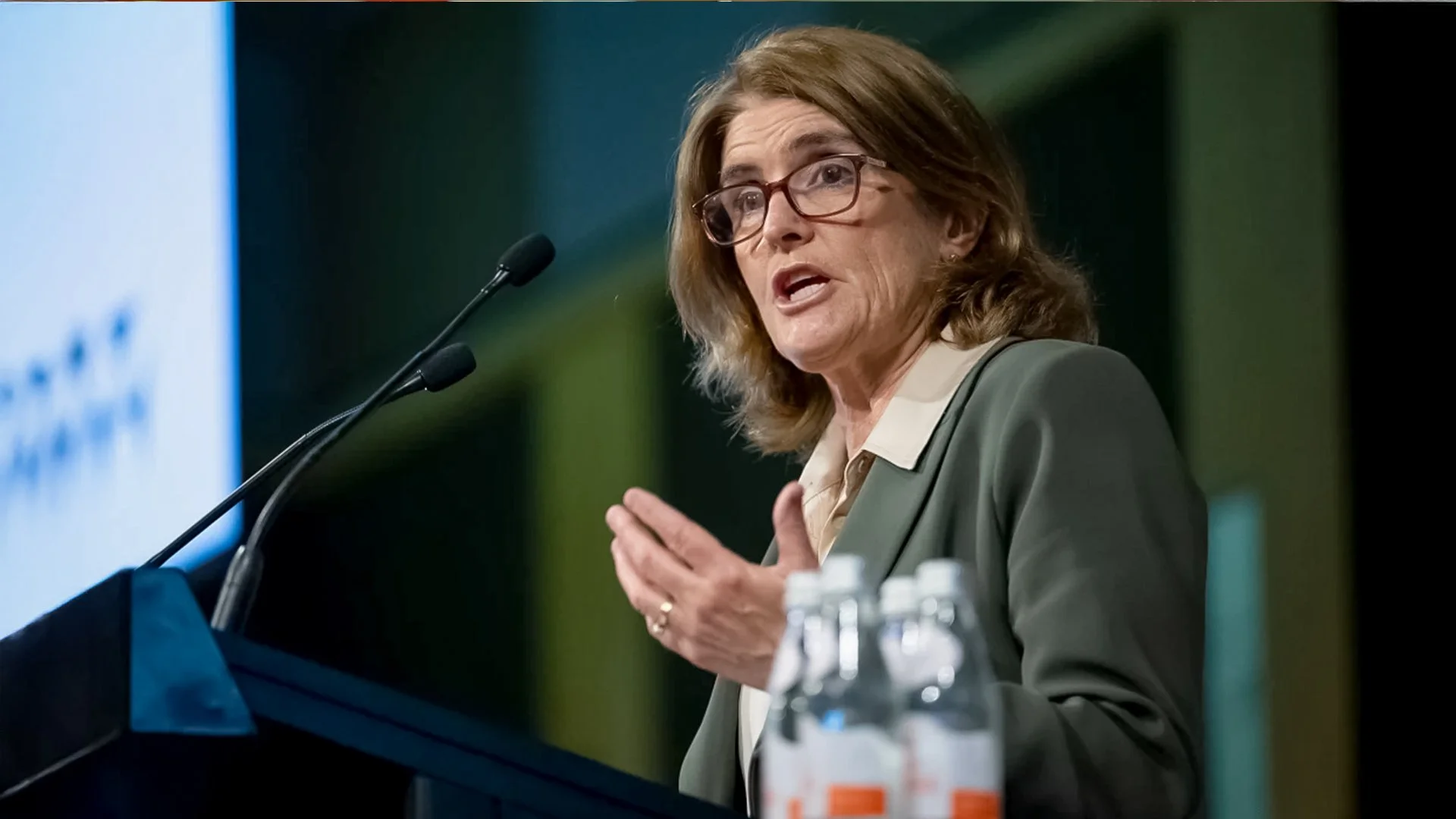
The Inflation Alarm: Why Persistent Price Pressures Could Force the RBA's Hand
Speaking before a parliamentary committee, RBA Governor Michele Bullock addressed the ongoing challenges in bringing inflation sustainably back into the central bank's 2% to 3% target band. Her comments signal that the RBA's current approach—which has seen the cash rate held steady in recent meetings—is under intense scrutiny, and the balance of risks is shifting.
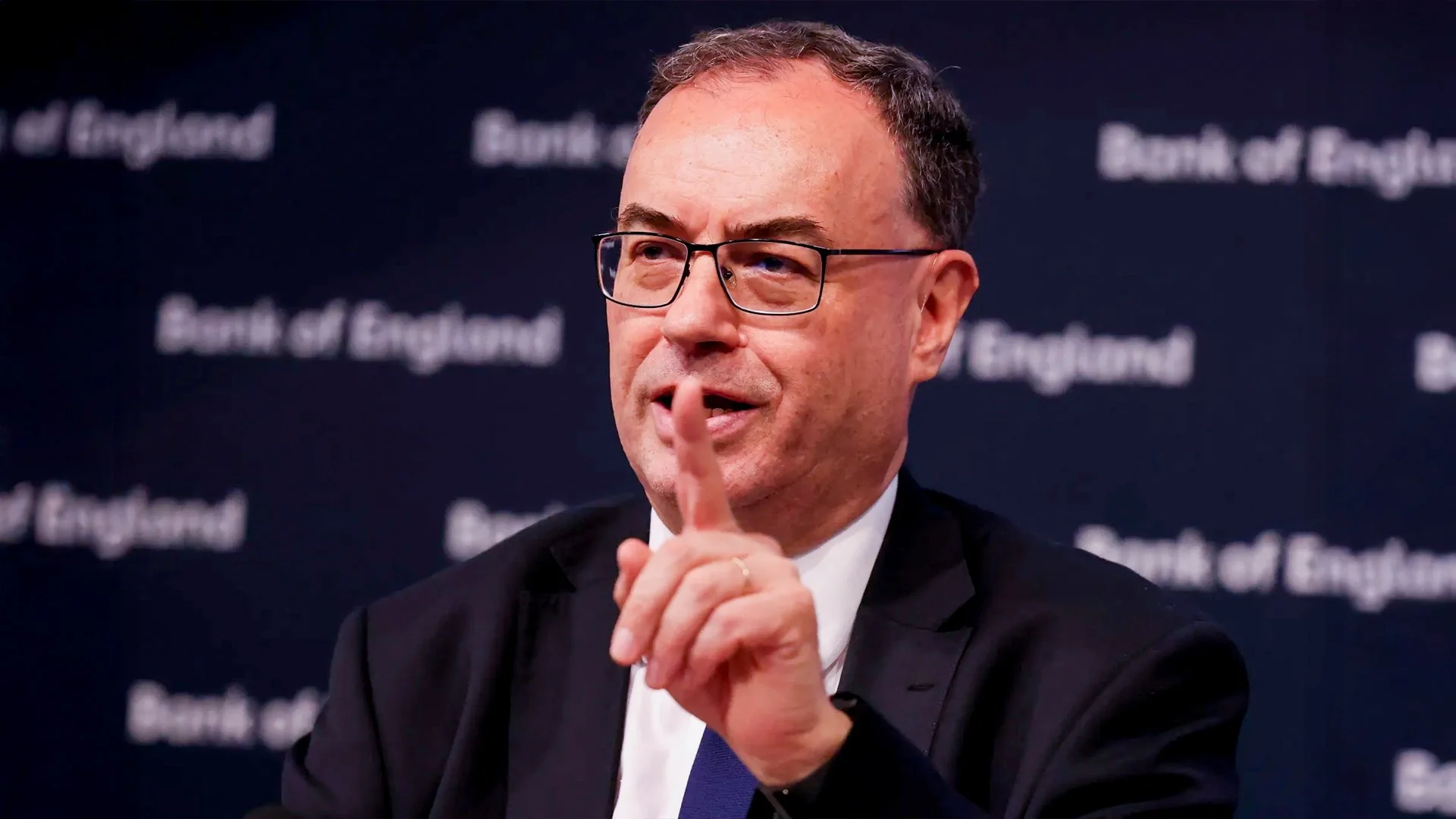
BoE's Bailey Unlocks Capital: Is the GBP Poised for a Lending Boom?
Bank of England Governor Andrew Bailey has delivered a critical message to the UK banking sector: it’s time to put capital to work. Following successful bank stress tests and the BoE’s recent decision to lower the capital benchmark for UK lenders (reducing the estimated Tier 1 capital buffer from around 14% to about 13% of risk-weighted assets), Bailey asserted that banks should "not keep higher levels of capital than needed."
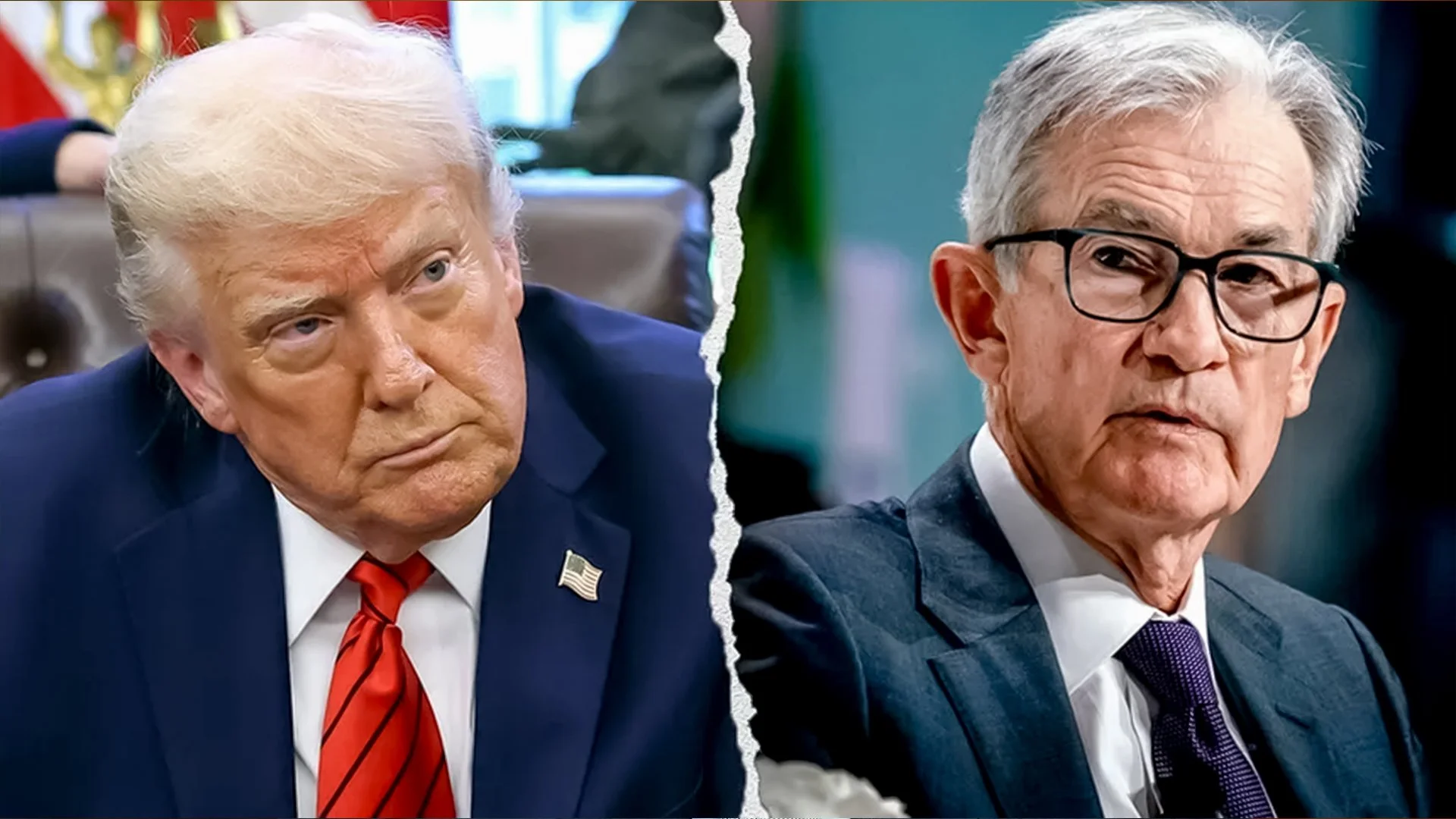
Political Inferno: Trump Targets the Fed Chair and Promises Tariff Refunds
President Trump has once again put the Federal Reserve and his economic agenda squarely in the spotlight, confirming his intent to name a successor to current Fed Chair Jerome Powell in early next year. The announcement, which comes months before the current Chair's term expires, is clearly coupled with the President's explicit demand that the new Fed leader should "reduce rates."
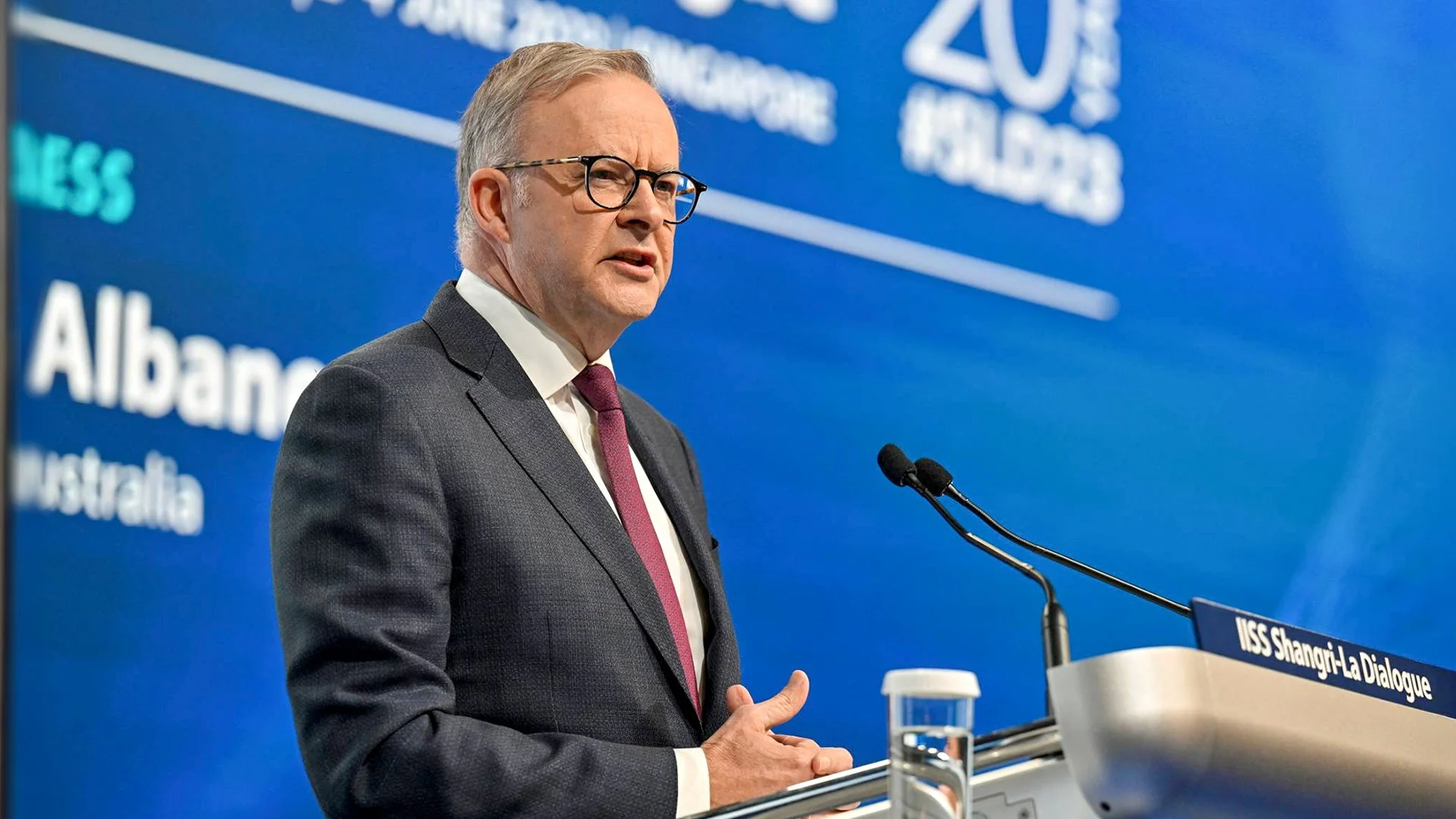
Australia's Economic Pulse: A Closer Look at the National Accounts and the AUD
The latest data release from the Australian Bureau of Statistics (ABS) on National Income, Expenditure, and Product provides a deep dive into the health of the Australian economy. While the headline growth figure missed market expectations, key underlying components—particularly trade income and household caution—offer crucial context for investors and analysts focused on Global Markets Eruditio.
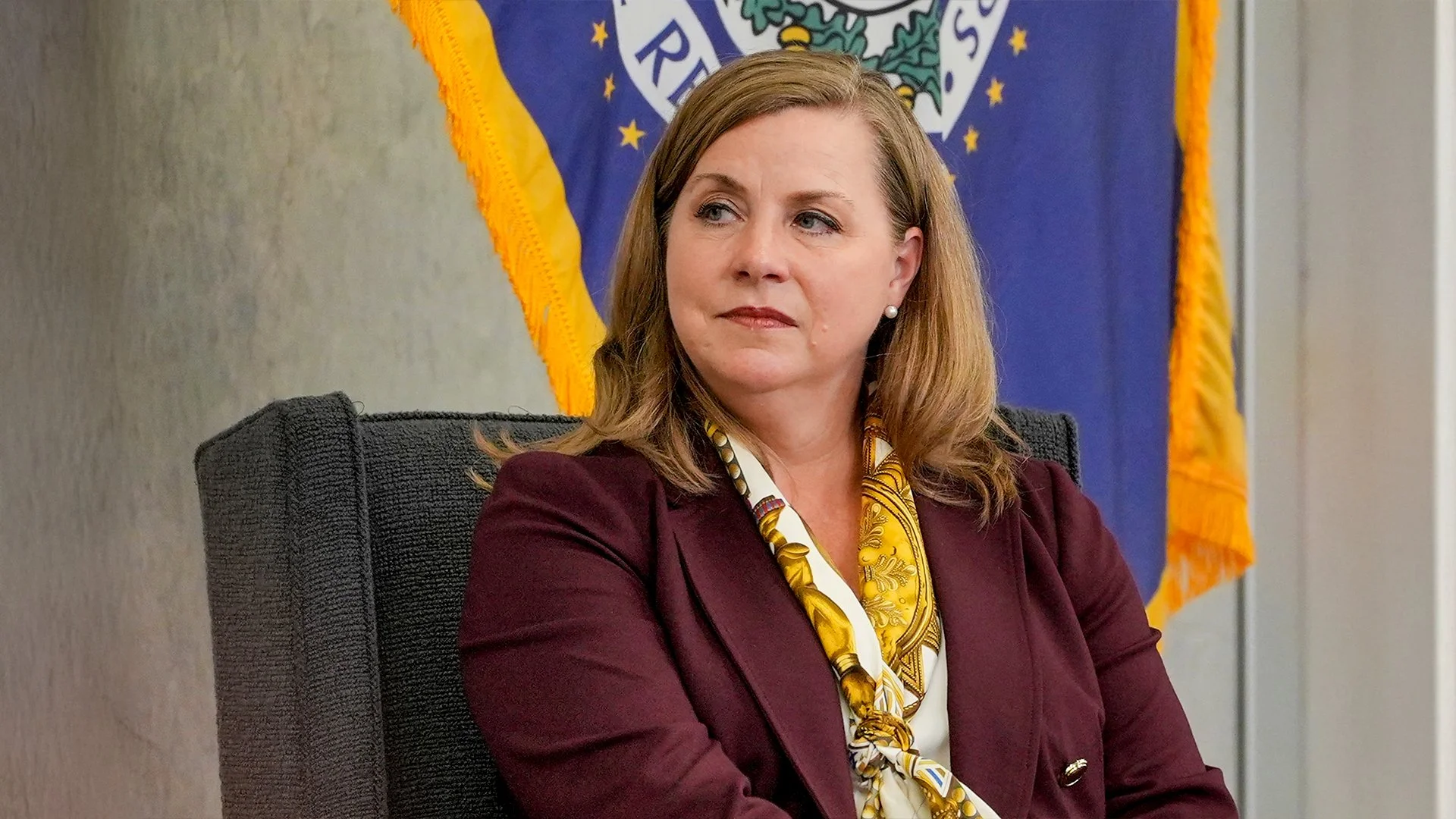
Unleashing the USD Intermediary: Fed Vice Chair Bowman Calls for Smarter Regulation and FinTech Competition
On December 2, 2025, Federal Reserve Vice Chair for Supervision Michelle W. Bowman delivered key testimony on the Federal Reserve's supervisory and regulatory agenda. While unable to discuss monetary policy due to the pre-FOMC blackout period, her remarks focused on the health of the banking sector and a clear set of priorities designed to enhance the efficiency, safety, and soundness of the U.S. financial system.
The Tariff Toolkit: Why an IEEPA Overrule Won't End the Trade War
The Supreme Court is currently reviewing the legality of tariffs imposed by the US administration under the International Emergency Economic Powers Act (IEEPA). The government's decision to prepare extensive contingency plans and fallback options has fueled expectations—even in betting markets—that the Court will rule against the expansive use of IEEPA authority by the executive branch.