

Andrew Bailey’s Amsterdam Speech: Is the Global Financial System Ready for Its Next Big Test?
A New Era for Financial Stability
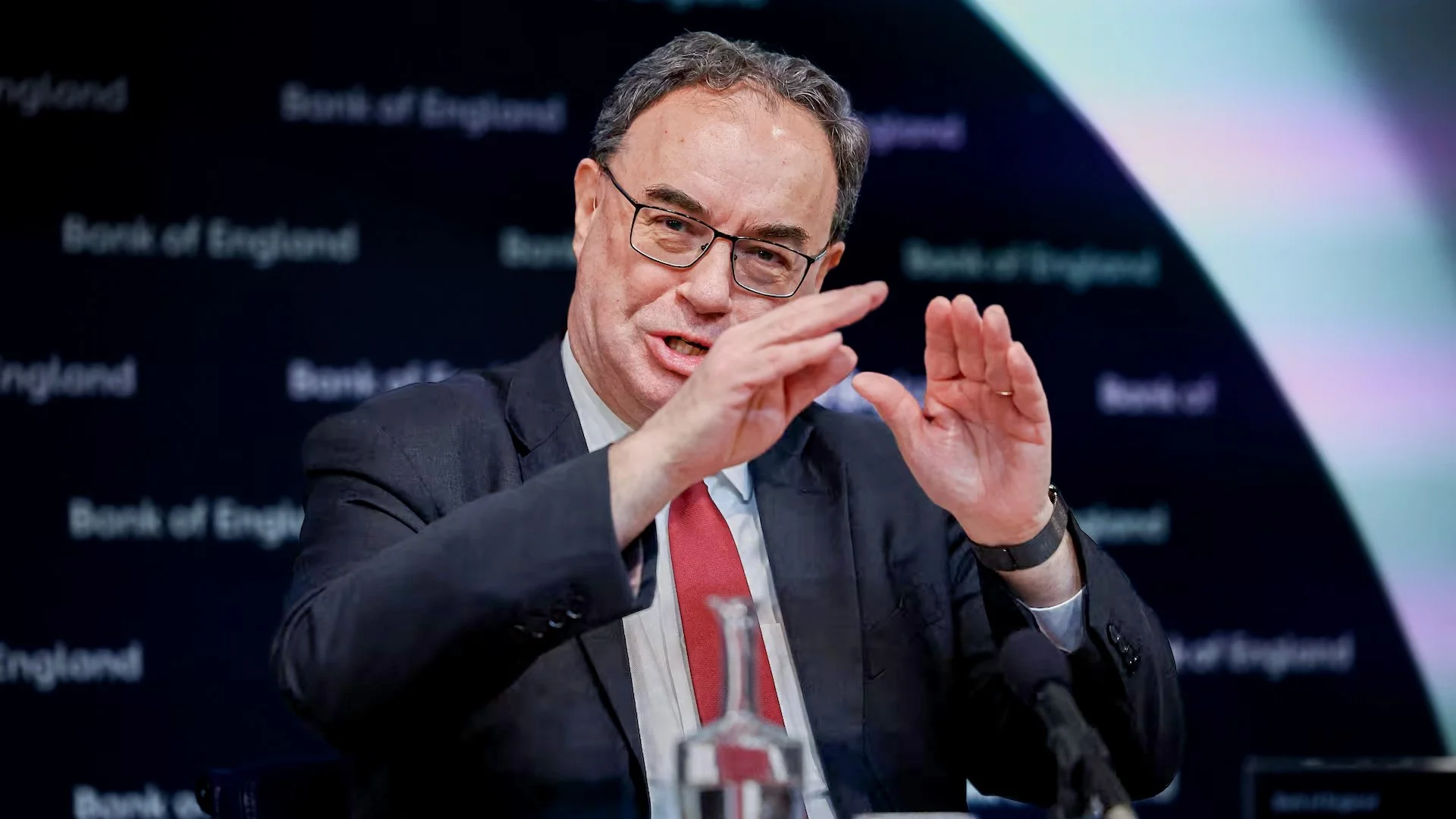
Bank of England (BOE) Governor Andrew Bailey recently took the stage in Amsterdam at the Klaas Knot Farewell Symposium—an event that marked both a farewell and a warning. His speech, while honoring the outgoing De Nederlandsche Bank chief, explored a question that resonates through trading floors and policy halls alike: Can the financial system stay stable in an age of new risks?
For traders and investors, Bailey’s tone often hints at policy direction. His reflections ripple beyond the Bank of England—impacting how Forex traders interpret GBP strength, especially across GBP/USD and EUR/GBP pairs.
From Crisis to Confidence: How 2008 Changed the Game
Bailey opened with a perspective: since the 2008 financial crisis, global regulators have rebuilt the financial system on stronger foundations. Capital buffers are higher, risk management tighter, and crisis responses are swifter.
Despite shocks like COVID-19 and the Ukraine conflict, the world has avoided systemic collapse—a testament to resilience. Still, Bailey warned that stability is “invisible success.” It’s most valued only when it’s gone.
The Quiet Revolution of Non-Bank Finance
Bailey spotlighted a profound shift—the rise of non-bank players like investment funds, hedge funds, and private equity. These entities now move vast amounts of liquidity, reshaping how credit flows through economies.
While diversification is healthy, it also blurs the lines of accountability. Stress in these sectors can easily spill back into banks. Bailey reminded regulators that banks run on public trust, while non-banks run on risk appetite—a difference that must never fade.
Crypto: Innovation or Instability?
Turning to crypto assets, Bailey drew a sharp line between speculative cryptocurrencies like Bitcoin and stablecoins intended for everyday payments. The latter, he argued, can complement traditional money—but only with robust regulation and trust in value stability.
In his words, the “singleness of money” must remain sacred: one pound or euro must mean the same everywhere, or financial order unravels.
Four Fault Lines in Financial Stability
Bailey outlined four growing challenges that could undermine today’s stability:
The Fading Memory of Crisis – Complacency grows as the 2008 scars fade.
Regulatory Overload – Complexity may be weakening clarity and accountability.
Balancing Innovation and Safety – Regulation shouldn’t choke progress but must protect stability.
Growth Anxiety – Critics blame regulation for slow growth; Bailey points instead to technological transition.
He ended on a forward-looking note—AI-driven productivity could spark the next economic wave, provided the financial system adapts responsibly.


Why It Matters to Forex Traders
For Forex professionals, Bailey’s message signals cautious confidence. The BOE appears in no rush to cut rates or loosen oversight. That tone of steadiness may offer short-term support for the British Pound, even as markets interpret it as a pause for assessment rather than aggression.
Beyond the Trading Floor: Why Ordinary Citizens Should Care
Financial stability isn’t just a concern for bankers. It affects every Filipino, every worker, and every overseas remittance. When the global system holds firm, currencies remain predictable—protecting savings, loans, and purchasing power from wild swings.
In other words, when finance stays steady, your money stays safe.
Lessons for the Next Generation of Traders
At GME Academy (Global Markets Eruditio), we teach that every market movement tells a macro story. Bailey’s speech proves that monetary stability, regulation, and innovation are deeply intertwined. For those learning Forex Trading for Beginners, this is a prime example of how words—not just rates—move markets.
Learn how to read market signals like a pro and understand how global speeches shape currency movements.
Join our Free Forex Workshop at GME Academy today and start your journey toward smarter trading!
