

Riding the Morning Wave: A Guide to Trading Gaps and Market Open Volatility
The first hour of the trading day is often compared to the start of a wild horse race. For a few frantic minutes, orders that accumulated overnight or over the weekend flood the market, causing price "gaps" and intense volatility. At Global Markets Eruditio (GME Academy), we believe that understanding the anatomy of the market open is what separates the professional strategist from the emotional gambler.
Whether you are focusing on the US Dollar (USD) or the Japanese Yen (JPY), mastering the market open is essential for any Forex trading for beginner's curriculum.
 https://images.squarespace-cdn.com/content/619b666b5842697e2af69258/a9d57b27-4fad-4532-874a-89133d6a85bc/P477.02.jpg?content-type=image%2Fjpeg
What is a Trading Gap?
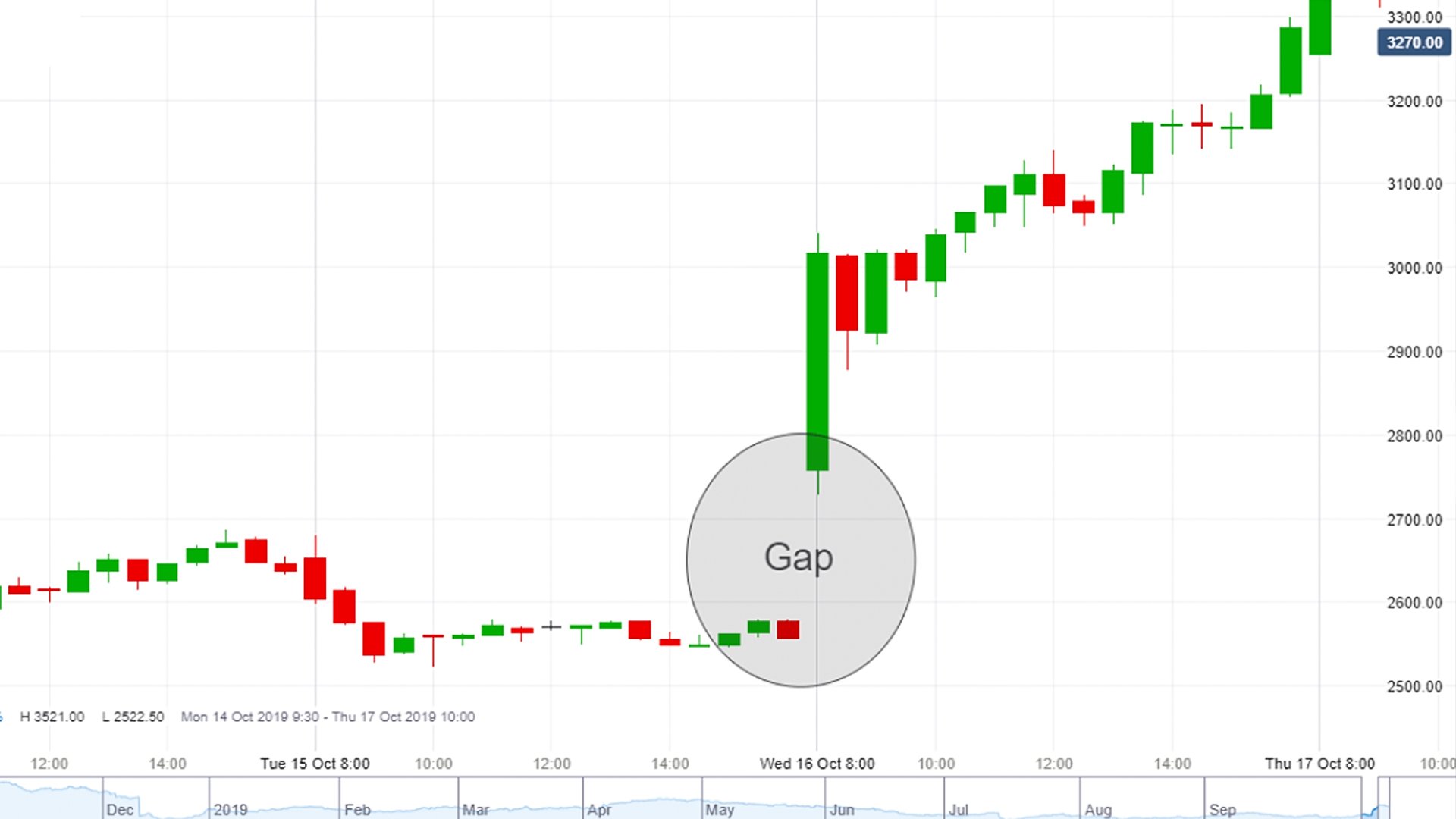
A gap occurs when the price of a currency pair or stock jumps to a new level without any trading occurring in between. In the continuous 24/5 Forex market, these are most common on Sunday evening (Market Open) as the world reacts to weekend news—such as geopolitical shifts or central bank emergencies.
The Four Faces of Gaps:
Common Gaps: Usually small and occur within a trading range. They are the most likely to be "filled" quickly.
Breakaway Gaps: These occur when the price breaks out of a consolidation pattern. They signal the start of a new, powerful trend and are rarely filled immediately.
Runaway (Continuation) Gaps: These appear mid-trend, signaling that the current momentum is so strong that the market is "skipping" prices to keep up.
Exhaustion Gaps: Occurring at the very end of a trend, these represent a final "gasp" of buying or selling before a major reversal.
Navigating Market Open Volatility
Volatility is often viewed with fear, but for a disciplined trader, it is the lifeblood of opportunity. At the market open, liquidity can be thin, and spreads can widen significantly.
The "Gap and Go" vs. "Gap Fill" Strategies
At GME Academy, we teach two primary ways to handle these openings:
The Gap and Go (Momentum): If a Breakaway Gap occurs on high volume—perhaps following a 4.3% US GDP surprise—traders look to enter in the direction of the gap, betting that the new trend has just begun.
The Gap Fill (Mean Reversion): This strategy assumes the initial jump was an overreaction. Traders "fade" the gap, betting that the price will return to its previous close. This is common with Exhaustion Gaps or quiet Sunday opens with no major news.


Risk Management: The 1% Golden Rule
Volatility can build accounts, but it can also destroy them. In our Forex trading tutorial, we emphasize the 1% Risk Rule: never risk more than 1% of your total account balance on a single trade. Because gaps can "jump" over your stop-loss orders (a phenomenon called slippage), using Guaranteed Stop Losses or reducing position sizes during high-volatility opens is crucial.
The GME Academy Edge: Context is King
Why did the gap form? Was it a technical break or a fundamental shock like an unexpected Bank of Japan rate hike to 0.75%?
We teach our students to combine Technical Analysis (EMA zones and MACD) with Fundamental Analysis (BEA and StatCan reports). A gap without a fundamental reason is often just a "trap," while a gap backed by a 4.3% GDP print is a signal of a structural shift.
Master the Opening Bell with GME Academy
The first 60 minutes of the day contain more data and opportunity than the following six hours combined. Are you ready to stop being intimidated by the "opening jump" and start profiting from it?
Join our Community of Elite Strategists
Whether you are trading USD/JPY, EUR/USD, or CAD crosses, we provide the tools to navigate volatility with precision. Sign up for our FREE Forex Workshop today and learn the specific "Gap and Go" setups that our proprietary traders use to dominate the global markets.
