

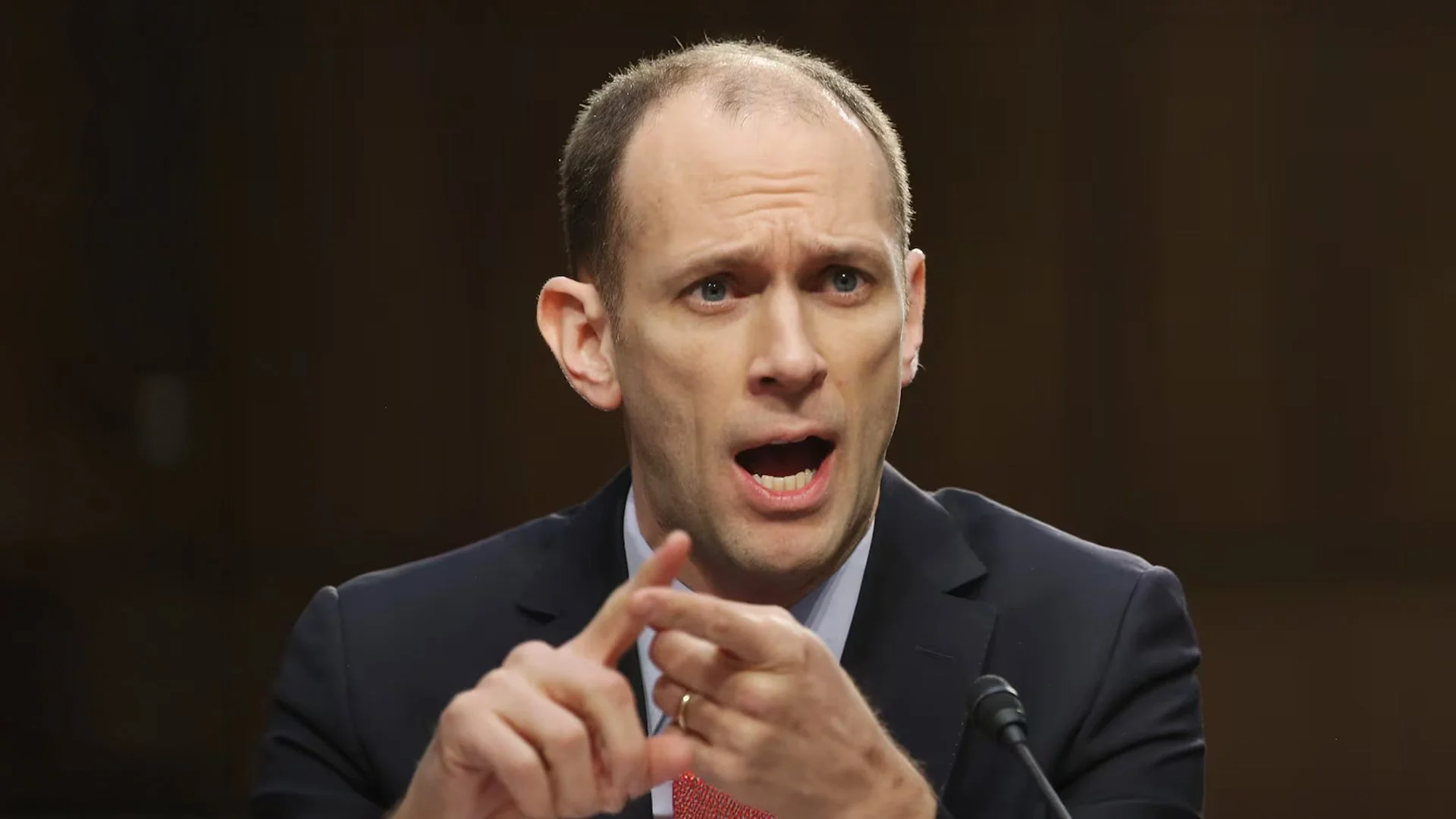
Fed’s Goolsbee Cautions Against Rapid Rate Cuts: Stable Jobs, Sticky Inflation, and the USD’s Balancing Act
In his latest remarks, Federal Reserve official Austan Goolsbee offered a cautiously optimistic assessment of the U.S. labor market, noting that most indicators continue to show “a lot of stability.”
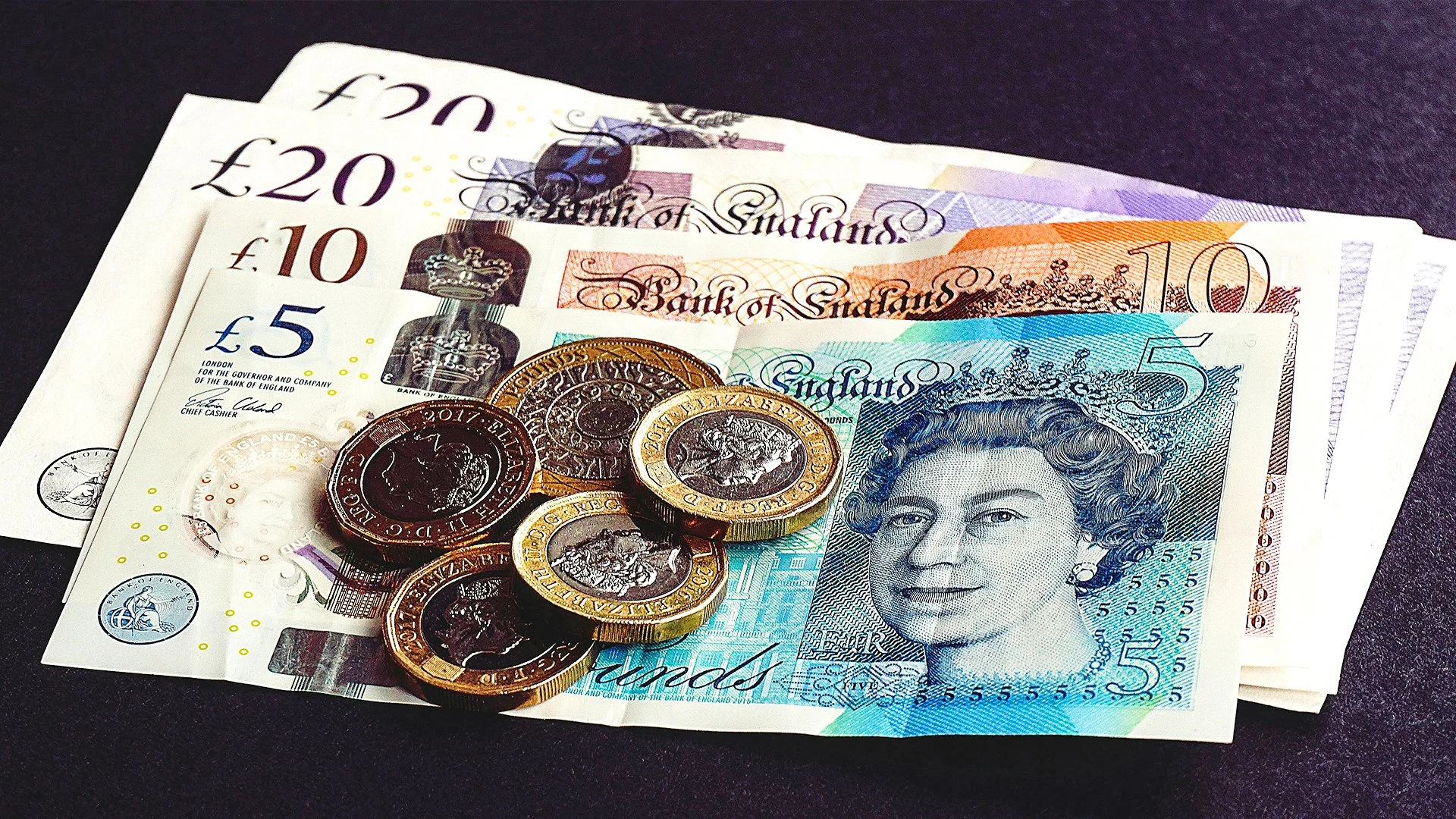
Bank of England Holds Rates at 4%: Is the Inflation Battle Nearing an End?
The Bank of England’s (BoE) latest Monetary Policy Committee (MPC) decision may mark a pivotal moment for both the UK economy and the Forex markets. In a close 5–4 vote during its meeting ending 5 November 2025, the MPC opted to maintain the Bank Rate at 4%, with four members advocating for a modest 0.25 percentage point cut to 3.75%.
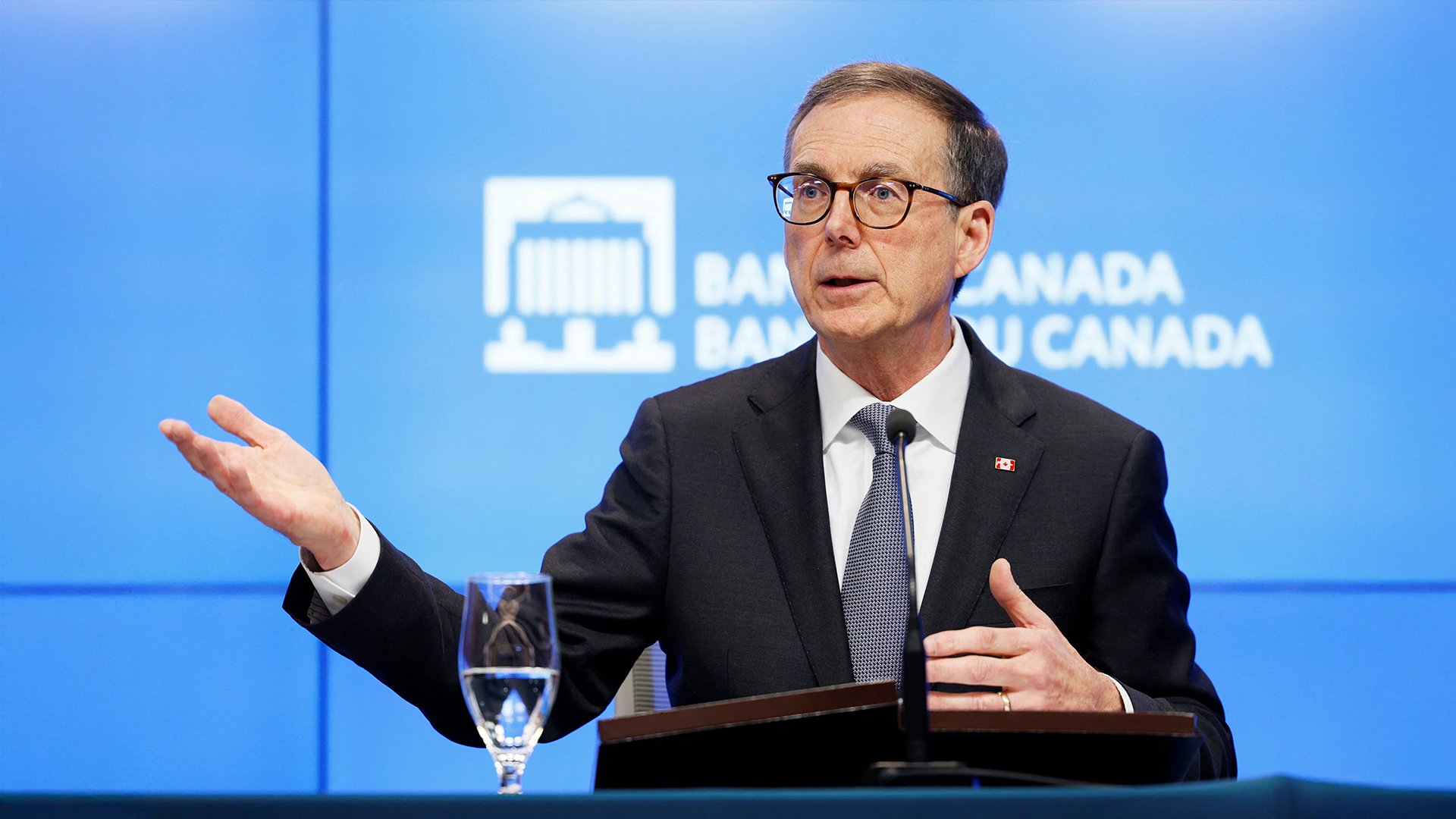
Bank of Canada Faces Tariff Shock: Can Lower Rates Shield the Canadian Dollar from Structural Damage?
The Bank of Canada’s (BoC) latest address before the Senate Standing Committee on Banking, Commerce and the Economy painted a complex picture of the nation’s economic trajectory.

AI Layoffs and Cost Cuts Surge: U.S. Firms Record Biggest October Job Cuts in Over 20 Years
U.S. companies announced 153,074 job cuts in October, marking the highest total for the month since 2003, according to data from Challenger, Gray & Christmas Inc.
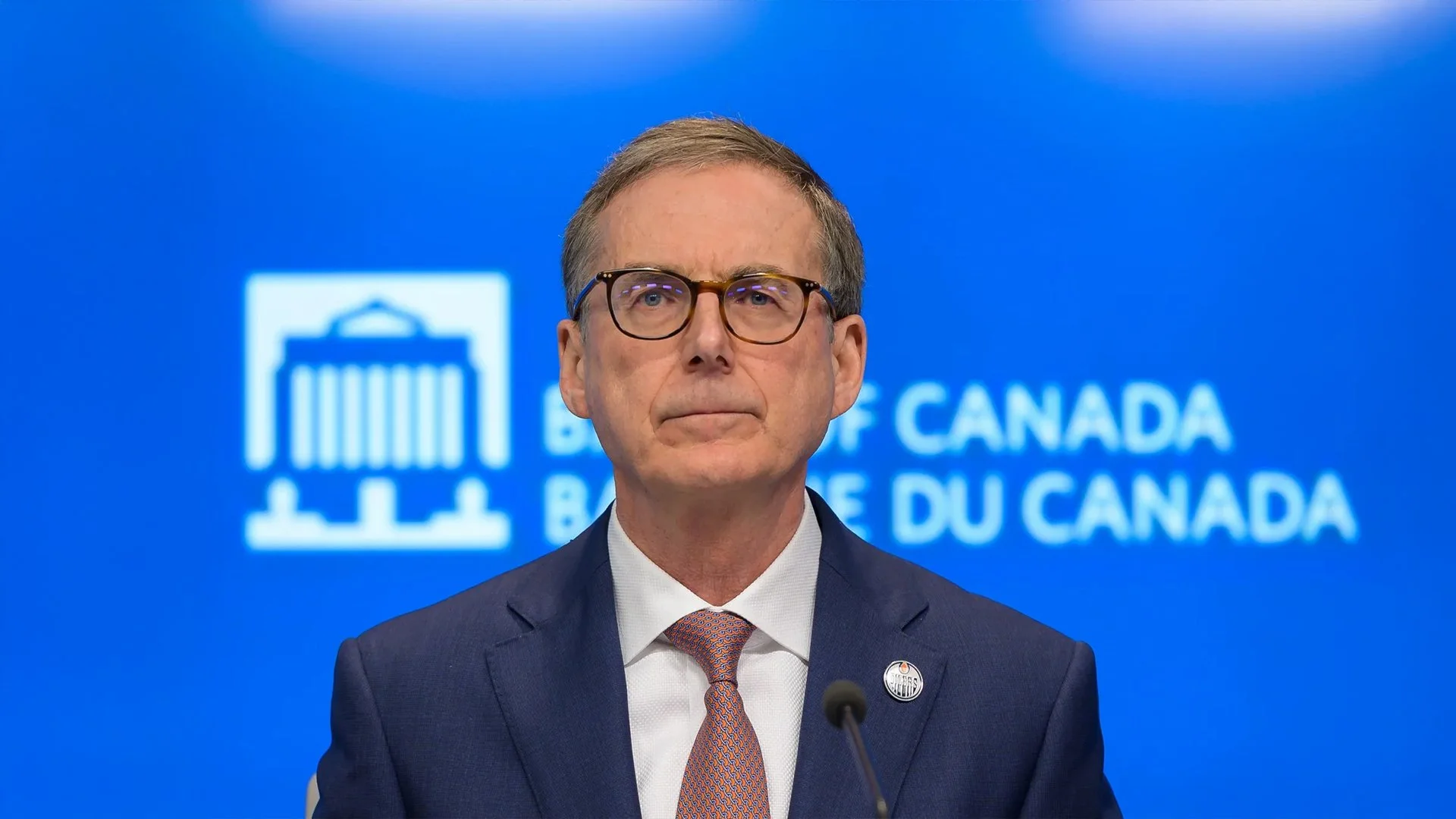
Bank of Canada’s Tiff Macklem Cautions on Structural Weakness — What It Means for CAD Traders
Bank of Canada (BOC) Governor Tiff Macklem and Senior Deputy Governor Carolyn Rogers appeared before the House of Commons Standing Committee on Finance to discuss Canada’s latest monetary policy direction — and traders across the Forex world were watching closely.
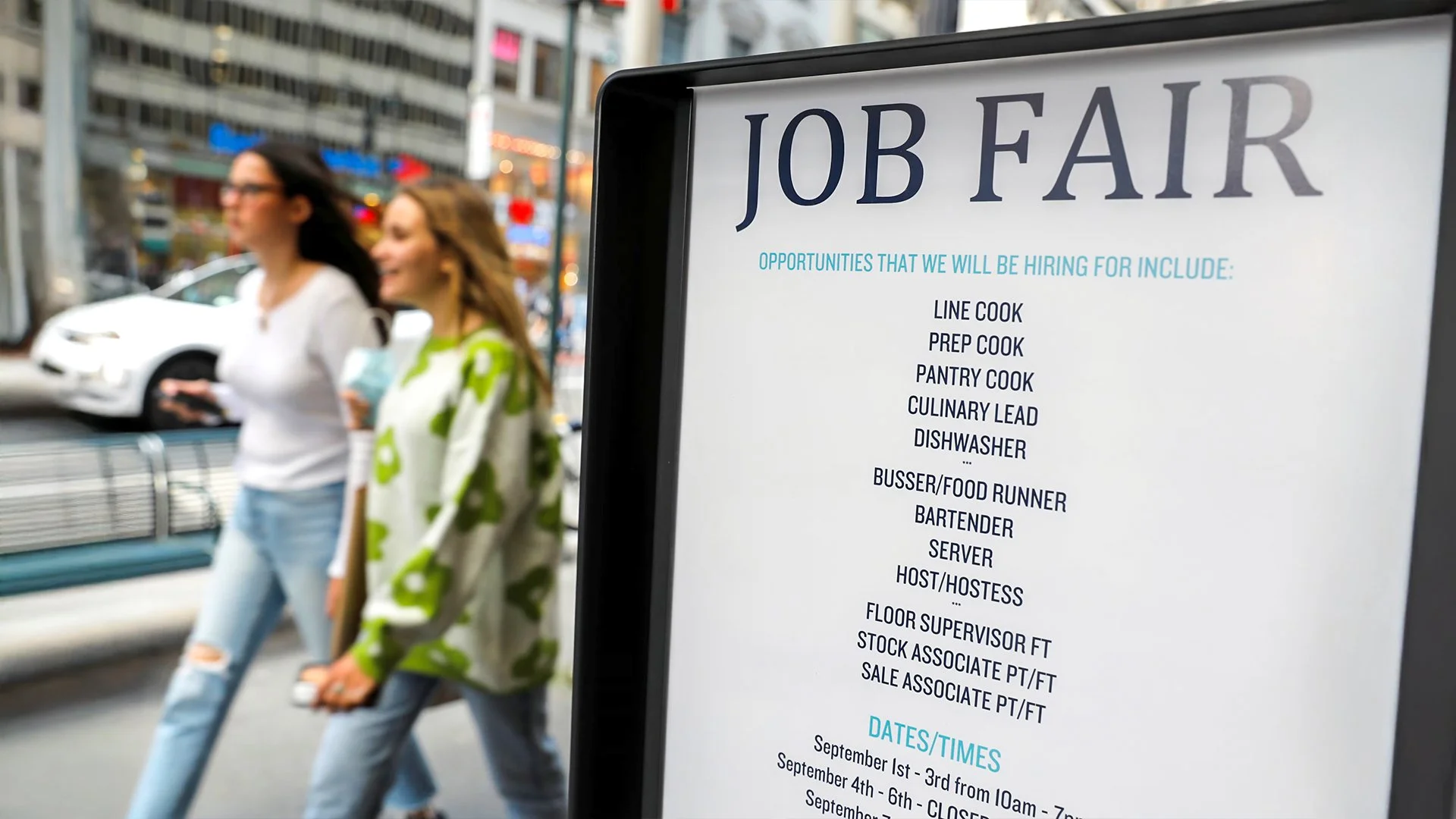
ADP Report Shows 42,000 Jobs Added in October — A Cautious Rebound for the U.S. Labor Market
The latest ADP® National Employment Report, released by Automatic Data Processing, Inc. (ADP), showed that private U.S. employers added 42,000 jobs in October, marking the first positive reading since July.

U.S. Services PMI Rises to 52.4% in October — Growth Returns, But Job Weakness Clouds Outlook
After hovering near the edge of contraction last month, the U.S. services industry bounced back in October 2025, with the ISM® Services PMI® climbing to 52.4% — a solid return to growth.

4Global Trade Disrupted: Early Impacts of U.S. Tariffs
The global trading system is once again in flux as the United States’ dramatic tariff hikes in 2025 begin to ripple through the world economy. The sweeping increase — with the U.S. effective tariff rate jumping from under 5% in 2024 to around 17% this year — has injected volatility into trade flows, distorted data, and forced economies to adjust to a new phase of protectionism.

U.S. Services PMI Hits 50% — Is the World’s Largest Economy Losing Steam or Resetting for a New Cycle?
The U.S. services industry — the backbone of the American economy — has entered a state of equilibrium in September 2025, with the ISM® Services PMI® holding steady at 50%, signaling a crucial balance point between expansion and contraction.
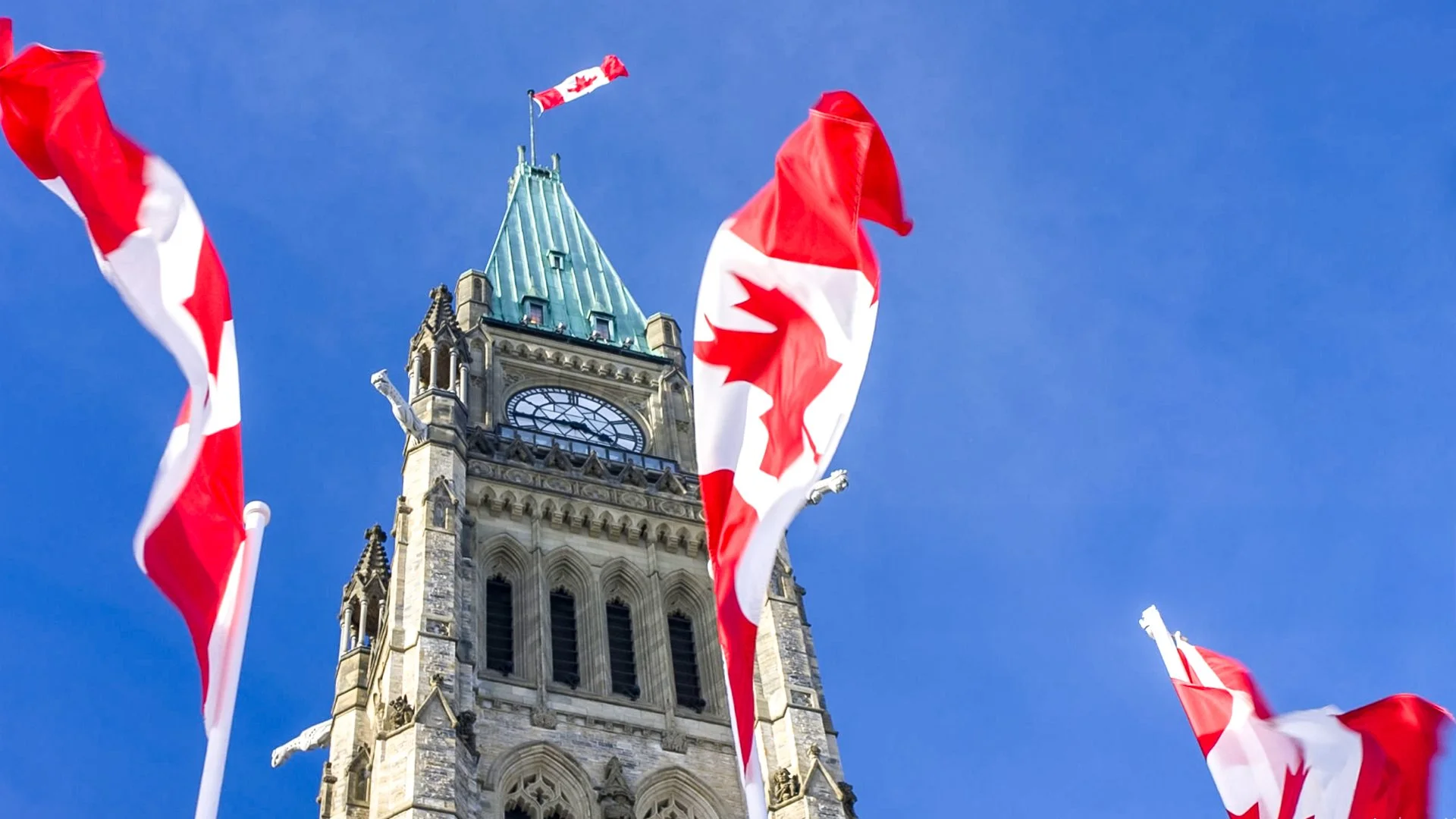
Canada’s Growing Deficit: Will the Loonie Feel the Weight of Ottawa’s Expanding Fiscal Gap?
Canada’s 2025/26 federal budget has revealed a far larger fiscal deficit than anticipated — C$78.3 billion, almost double the C$42.2 billion forecast in December.

New Zealand’s Job Market Cooldown: Will a 5.3% Unemployment Rate Push the Kiwi Dollar Lower?
New Zealand’s latest employment figures have caught the attention of economists and forex traders worldwide. According to Stats NZ, the seasonally adjusted unemployment rate rose to 5.3% in the September 2025 quarter, its highest level since 2016.

U.S. Private Employers Shed 32,000 Jobs in September — What It Means for Forex Traders and the Dollar’s Outlook
In September 2025, private U.S. employers cut 32,000 jobs, according to the latest ADP National Employment Report, revealing the first net job loss in over a year.

China’s Surprise Tariff Suspension: A New Chapter in U.S.–China Trade and Forex Dynamics
In a move that caught global markets by surprise, China’s Ministry of Finance announced that it will suspend its 24% tariffs on certain U.S. agricultural goods starting November 10 for one year.

Trump’s Supreme Court Showdown: Could Tariff Power Shake the Global Economy and the US Dollar?
The U.S. Supreme Court is facing a case that could redefine not only presidential power but also the direction of global markets.

Australia’s Inflation Surprise: How the RBA’s Latest Move Impacts Forex Traders
Australia’s central bank, the Reserve Bank of Australia (RBA), recently released its latest monetary policy statement, revealing that inflation is creeping up again. After falling from the 2022 peak, inflation is showing renewed strength.
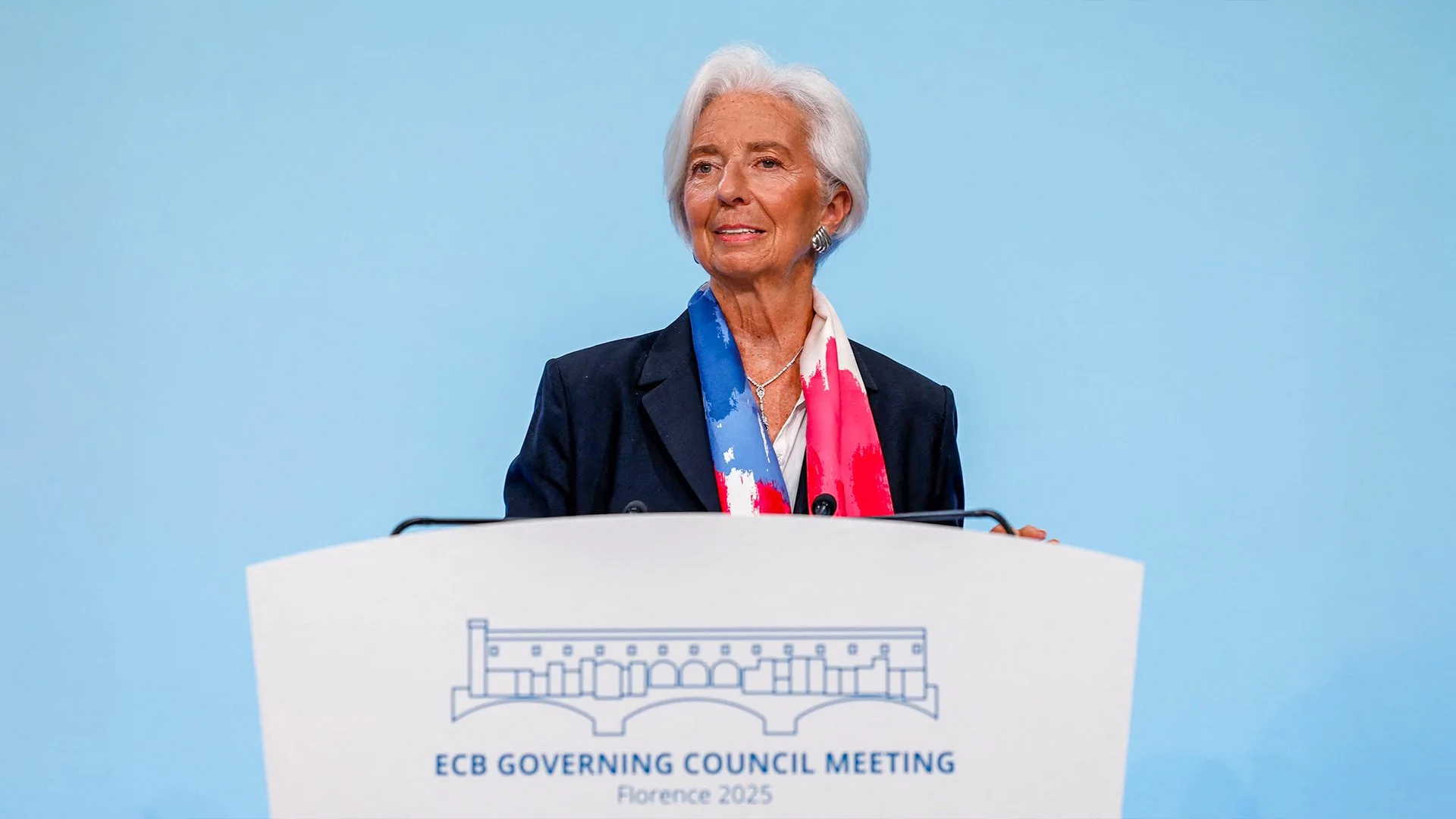
Bulgaria Joins the Euro: What Traders Should Know Before the Big Switch
On 1 January 2026, Bulgaria will adopt the euro as its official currency—a historic move that marks the culmination of a long journey. From pegging the lev to the French franc in the 19th century, to anchoring it to the Deutsche Mark in the 20th, Bulgaria has always looked to Europe.
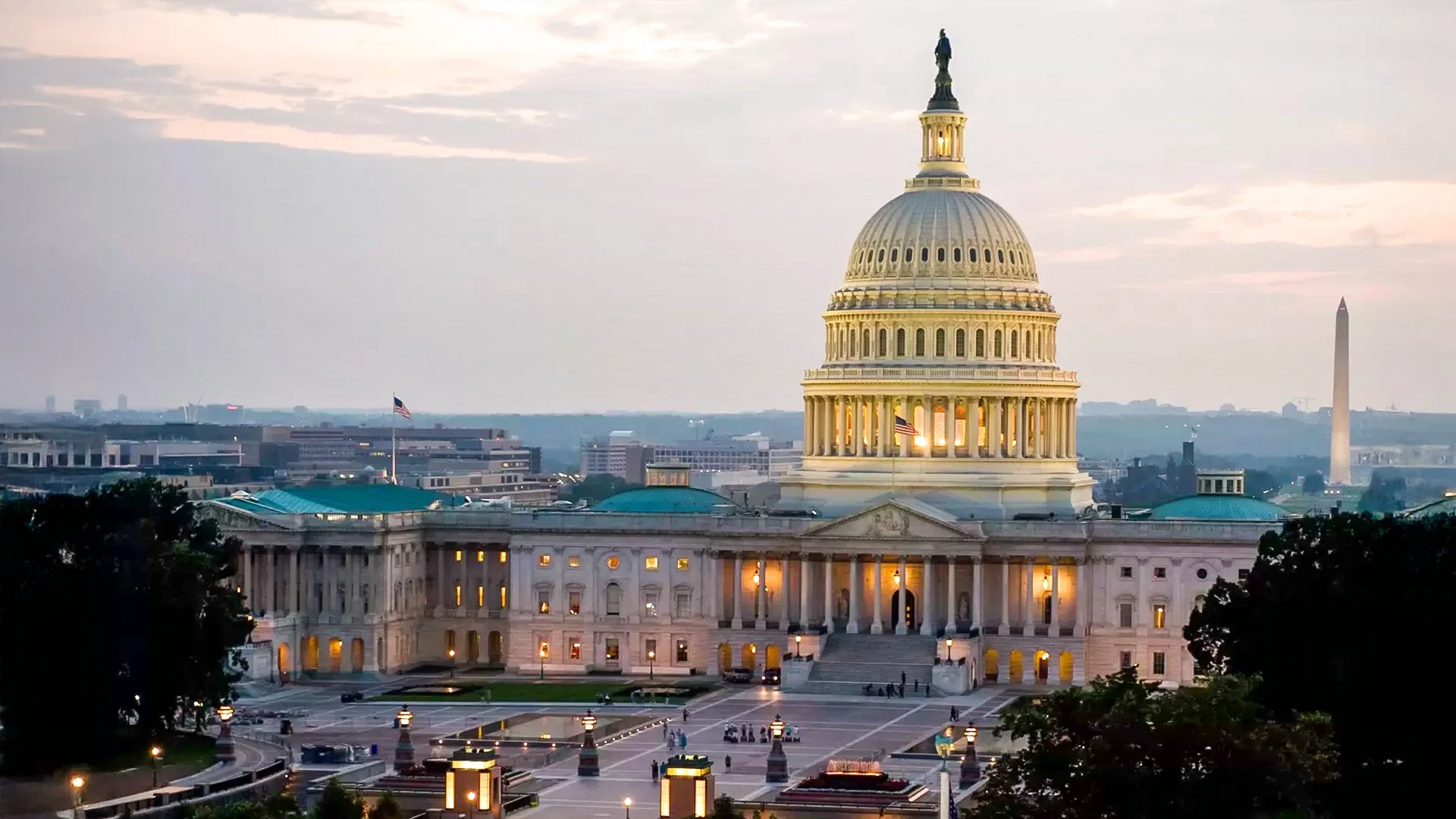
U.S. Shutdown Nears Possible End: What a 34-Day Government Standoff Means for the Dollar and Global Forex Traders
After more than a month of political gridlock, the U.S. government shutdown—now one of the longest in history—finally shows signs of easing.

Dollar Surges on Rate Doubts and Safety Play While Pound Takes a Hit
The U.S. dollar rose to a four-month high against the euro, driven by uncertainty over further Federal Reserve rate cuts and a classic safe-haven move. After last week’s Fed rate cut, officials sent mixed signals about whether another cut will happen in December.
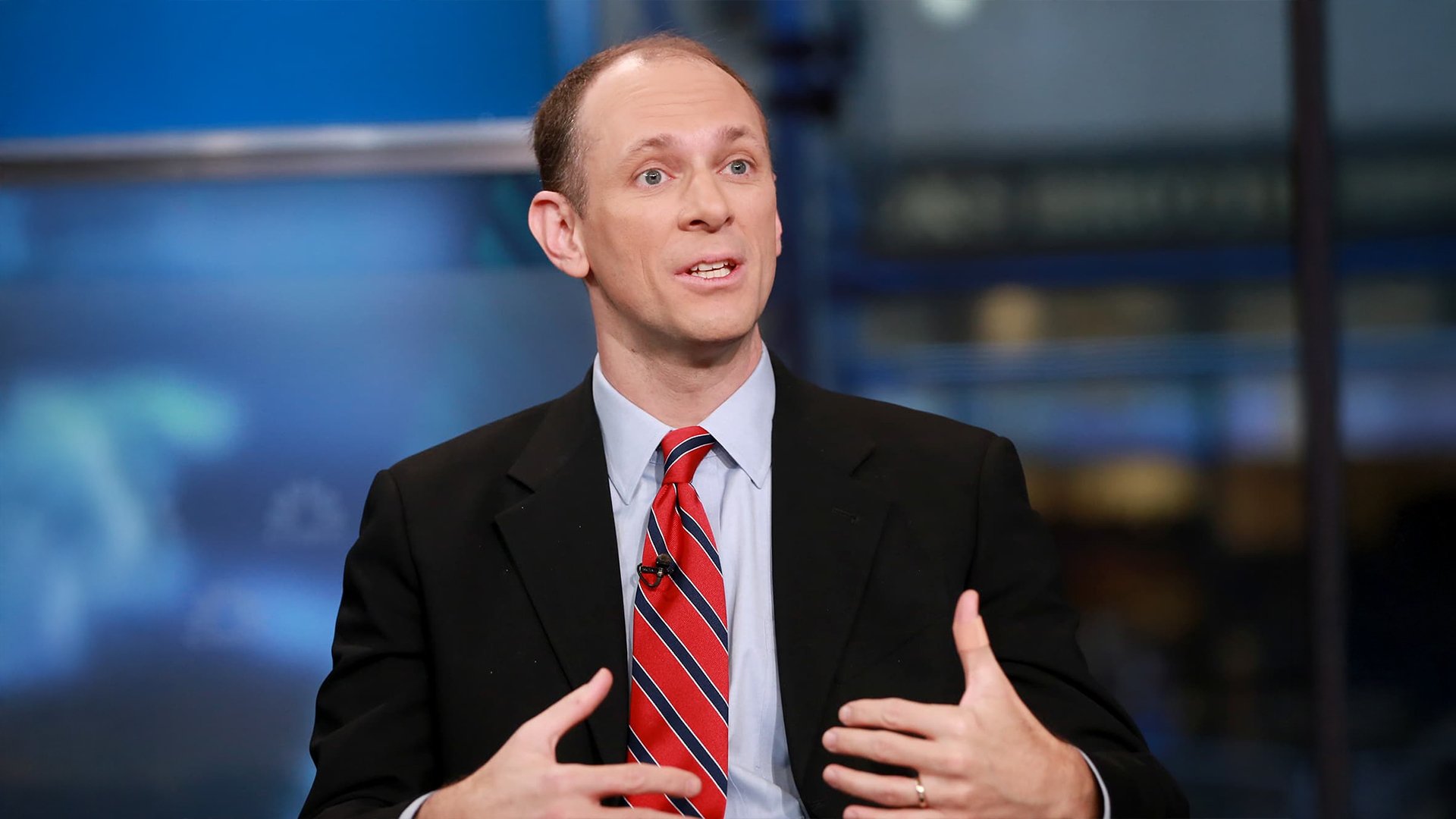
Fed’s Goolsbee Faces a Dilemma: Will Inflation Stop the Next Rate Cut?
The debate within the Federal Reserve has intensified as policymakers weigh the next move for U.S. interest rates. This week, Austan Goolsbee, President of the Federal Reserve Bank of Chicago.

Switzerland’s Inflation Hits Pause: October CPI Falls 0.3% — Is the Franc Signaling a Market Reversal?
In October 2025, the Swiss Federal Statistical Office reported that the Consumer Price Index (CPI) dropped 0.3% month-on-month, bringing the index down to 107.2 points (December 2020 = 100). On a year-on-year basis, inflation stood at just +0.1%, showing that price growth in Switzerland has nearly stalled.