


The $13,300 Policy Pivot: How Tax Cuts and Deregulation are Reshaping the US Dollar Narrative
The Trump Administration is aggressively marketing a sharp reversal in the U.S. economy, citing a drop in average inflation to 2.7% and a 4% growth in real wages as proof of cost-cutting progress.
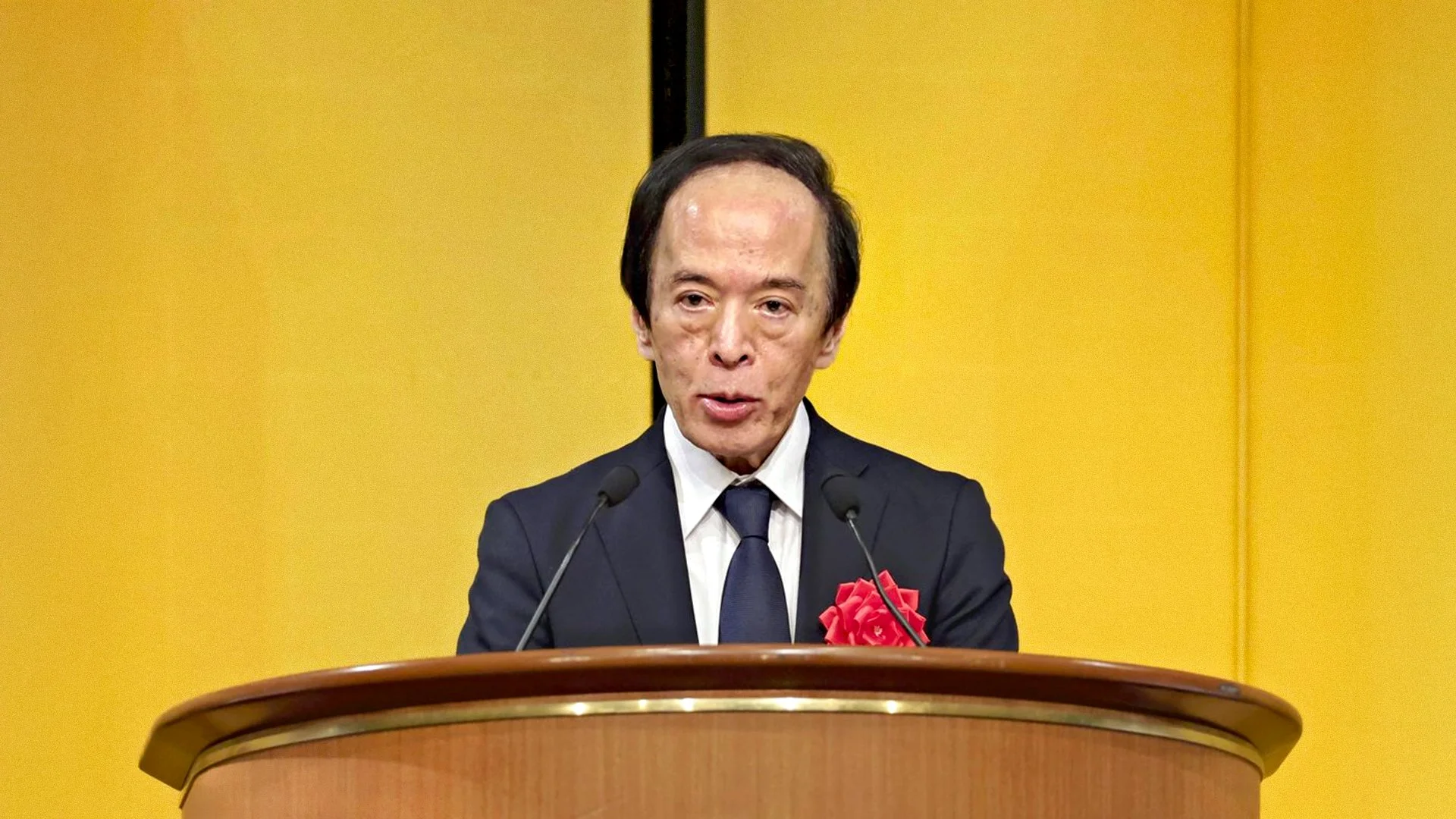
Yen Alert: BOJ's Ueda Confirms Q4 Growth Rebound and Durable Inflation, Bolstering Rate Hike Bets
Bank of Japan (BOJ) Governor Kazuo Ueda has delivered a notably optimistic assessment of the Japanese economy, stating he "believe[s] that the economy will go back to positive growth in Q4 and beyond that.

Loonie Liftoff? Canada’s Jobs Boom Complicates BoC’s Rate Cut Path
The November 2025 Labour Force Survey (LFS) from Statistics Canada surprised markets, showing a powerful rebound in the job market that defies the narrative of an economy struggling under high interest rates. The key takeaway is the dramatic 0.4 percentage point fall in the unemployment rate, dropping to 6.5%—the largest one-month decline since early 2022.
Inflation’s Grip Tightens: The Fed’s Preferred Gauge Stalls at 2.8%, Complicating USD Outlook
The September 2025 Personal Income and Outlays report confirms a consistent, albeit slowing, pace of consumer activity in the US economy. While the headline figures suggest continued resilience, the devil is in the details, particularly concerning inflation and consumer behavior.
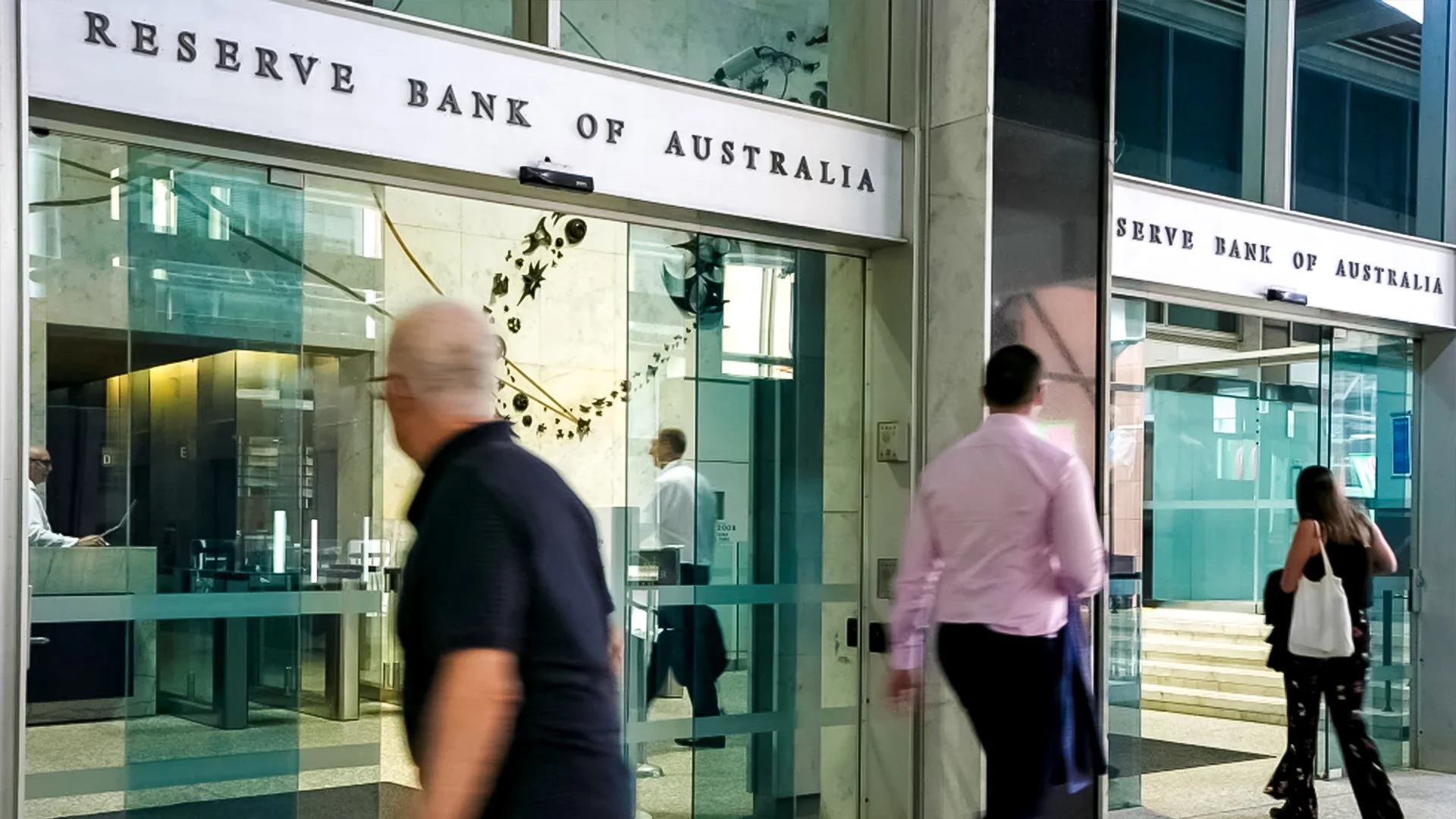
RBA's Hawkish Hold: Inflation Risks Tilt Up, Putting the Brakes on AUD Rate Cuts
The Reserve Bank of Australia (RBA) Board, in its December 9, 2025 meeting, unanimously decided to hold the Cash Rate Target steady at 3.60 per cent. However, the accompanying statement signals a critical shift in risk assessment: the risks to inflation have tilted to the upside.

Inflation Relief? Falling Expectations in Consumer Sentiment Offers a Lifeline to the Fed
The preliminary US Index of Consumer Sentiment for December 2025 ticked up slightly to 53.3, defying expectations of continued decline. While the overall mood remains "broadly somber," the key takeaway for Forex Traders is the significant and sustained drop in year-ahead inflation expectations to 4.1%—the lowest level since January 2025.

Water for Tariffs: US Threatens 5% Levy on Mexico, Shaking the USD/MXN Currency Pair
An escalating diplomatic crisis over a decades-old water treaty has spilled into the trade arena. With Mexico owing over 800,000 acre-feet of water, the U.S. has authorized documentation to impose a 5% tariff on Mexican imports, creating significant volatility and risk for the Mexican Peso (MXN) and raising a serious trade war flag for Forex Traders.

The Hawk Speaks: ECB's Schnabel Signals Comfort with Rate Hike Bets, Boosting the Euro
European Central Bank (ECB) Executive Board member Isabel Schnabel, a known hawk, has rattled markets by stating she is "rather comfortable" with investor bets that the central bank's next move will be a rate hike, not a cut. Citing a resilient economy and stalled core inflation, her comments introduce significant upside risk to the EUR/USD currency pair and push back the prevailing market narrative of an inevitable easing cycle.

The Eurozone's Consumption Time Bomb: ECB Warns It Must 'Act' If High Savings Persist
In an interview with Nikkei, ECB board member Pierro Cipollone laid bare the central bank's core assumption for the Eurozone's economic recovery: a drawdown of the large pool of household savings accumulated since the pandemic.

The USD’s Resilience Test: Jobless Claims Drop to 3-Year Low, Complicating Fed’s Rate Cut Path
In a dramatic turnaround that highlights the mixed signals currently emanating from the U.S. economy, the Department of Labor reported that the advance figure for seasonally adjusted Initial Unemployment Claims dropped by a significant 27,000 to 191,000 in the week ending November 29, 2025.
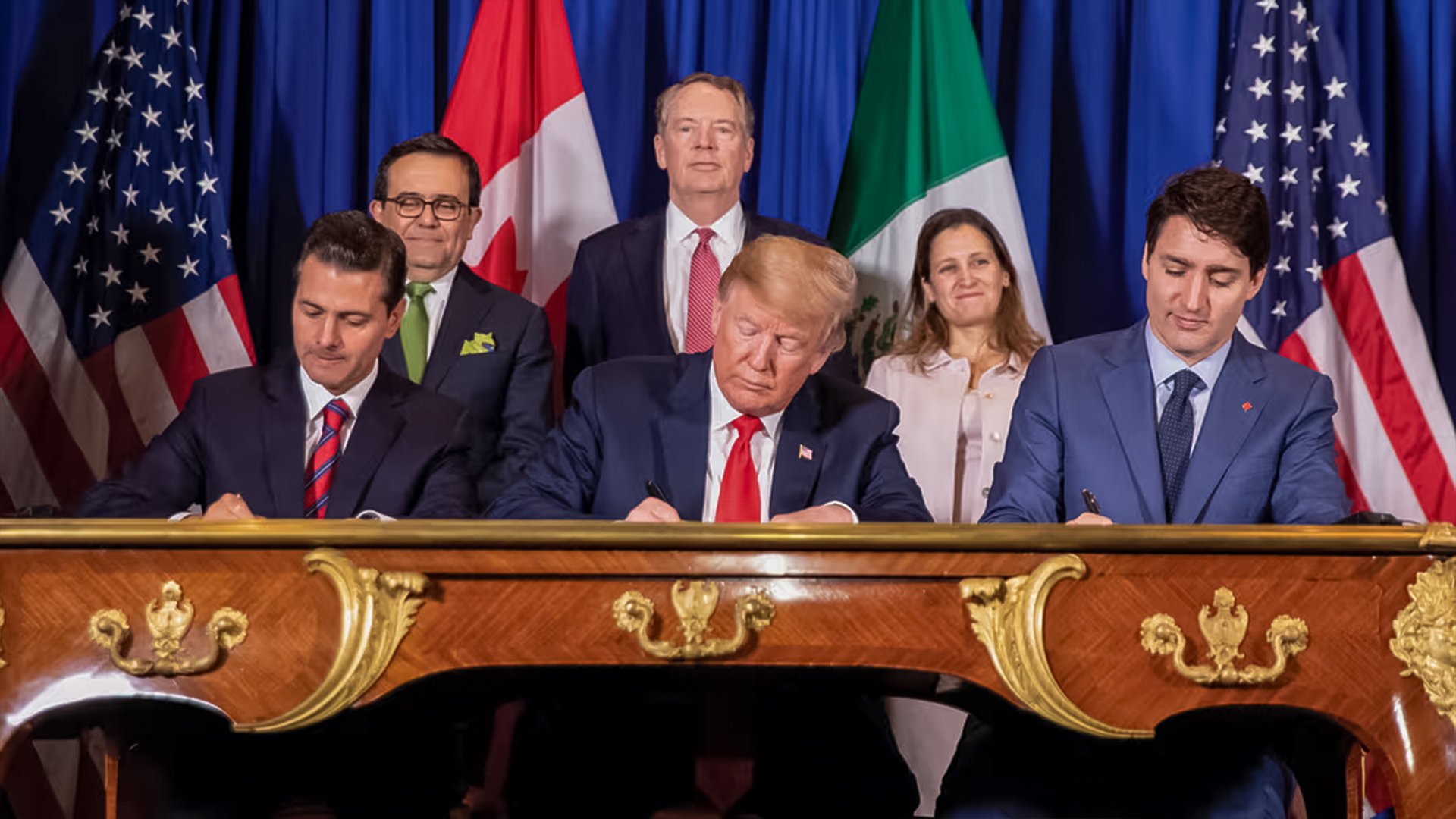
Trade War Jitters: USTR Signals President Trump Could Withdraw from USMCA Next Year
A senior official from the Office of the U.S. Trade Representative (USTR) has told Politico that President Donald Trump could decide to withdraw the U.S. from the United States-Mexico-Canada Agreement (USMCA) next year.
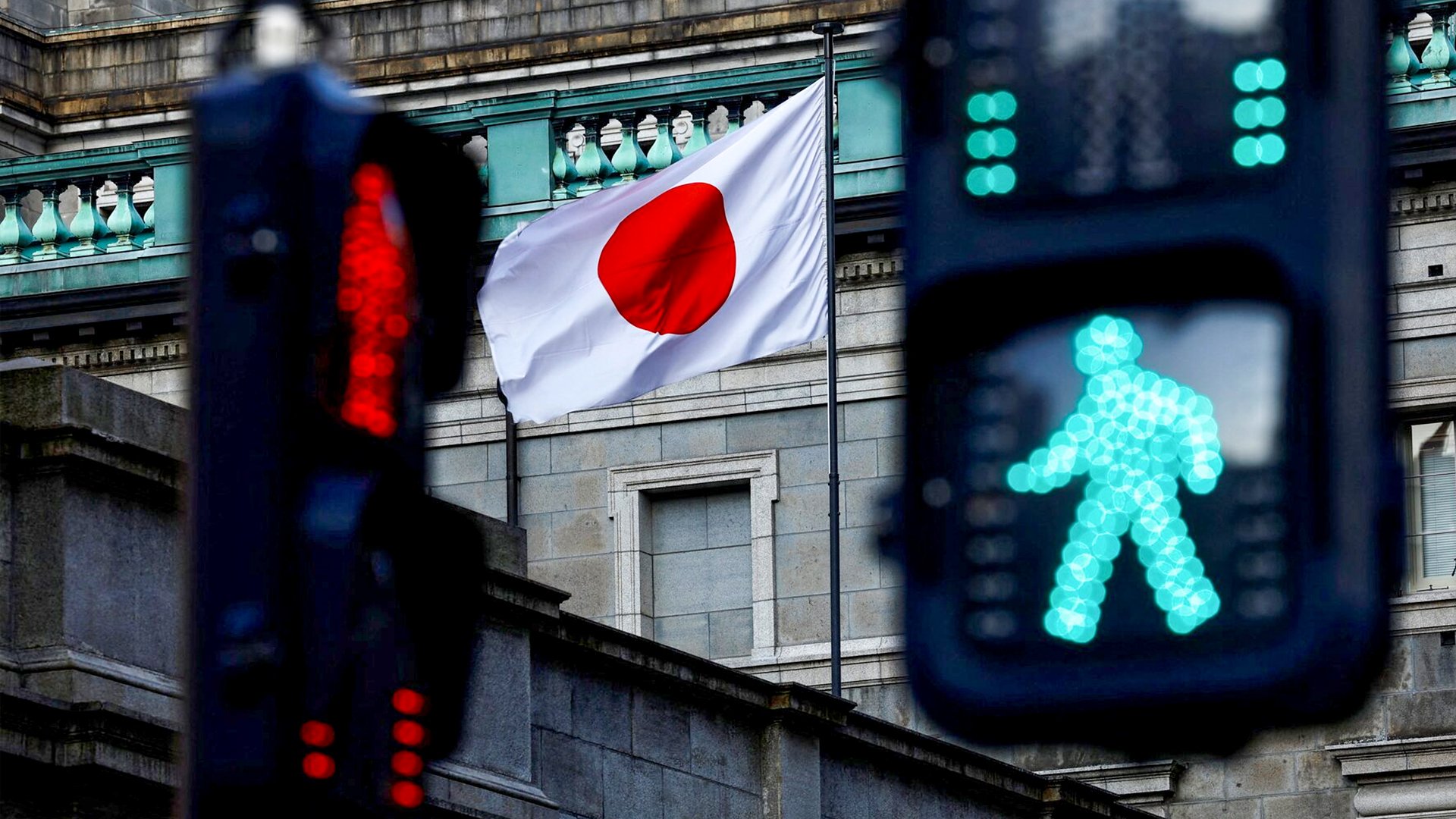
JPY Shockwave: Is the BOJ Finally Ready to End an Era?
The Bank of Japan is now highly likely to raise interest rates at its December meeting, according to Reuters sources. Crucially, the move has the Japanese government's tolerance, removing a major political hurdle to normalizing monetary policy and signaling an end to the decades-long zero-rate era. This shift introduces massive volatility for the Japanese Yen (JPY) and global capital flows.
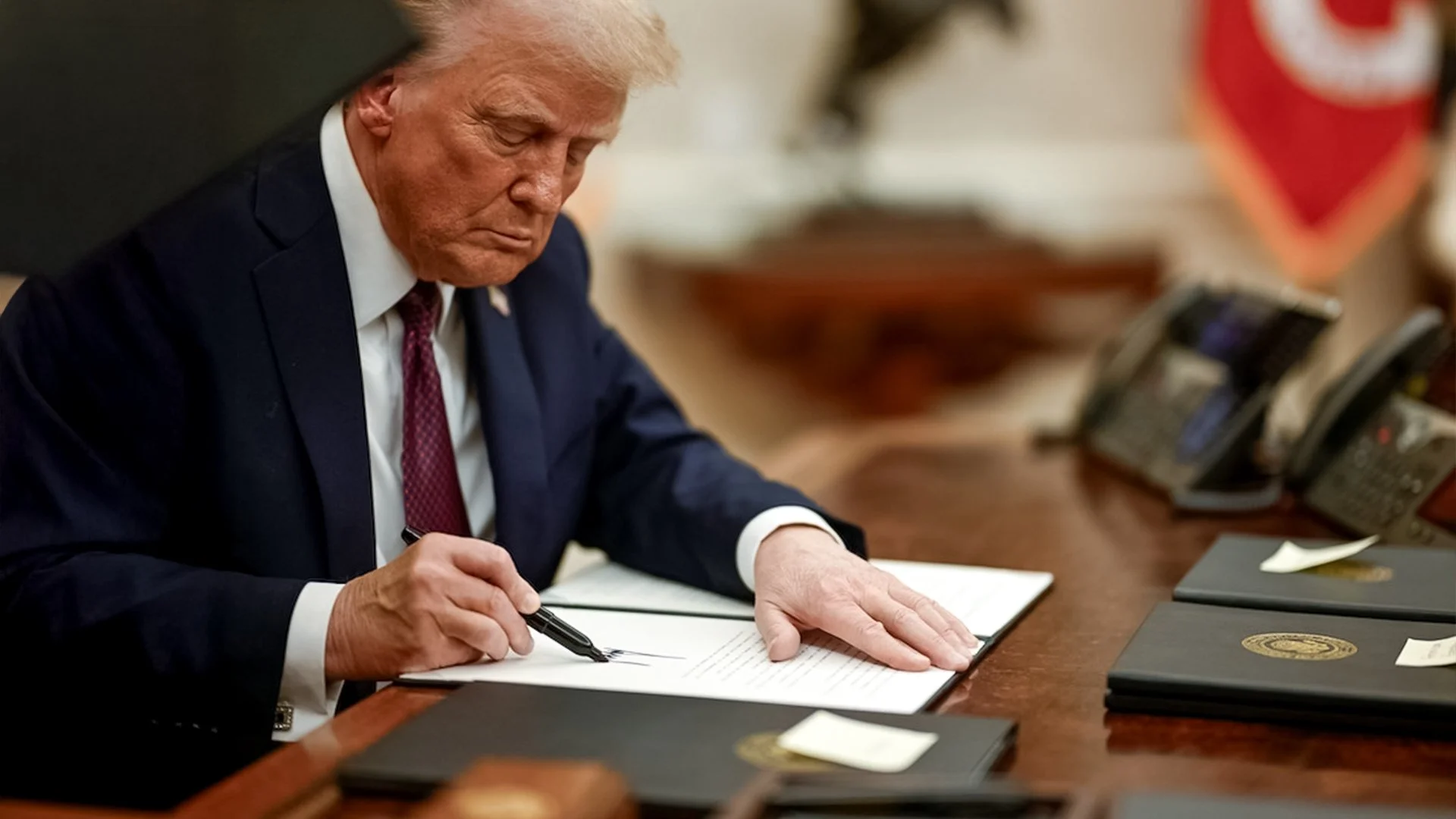
CAFE Reset: Trump Rescinds Biden’s Fuel Standards, Promising $109 Billion in Relief
In a move described by the White House as a “win for American families and automakers,” President Donald J. Trump signed an executive action on December 3, 2025, to roll back the costly fuel economy standards implemented by the previous administration.
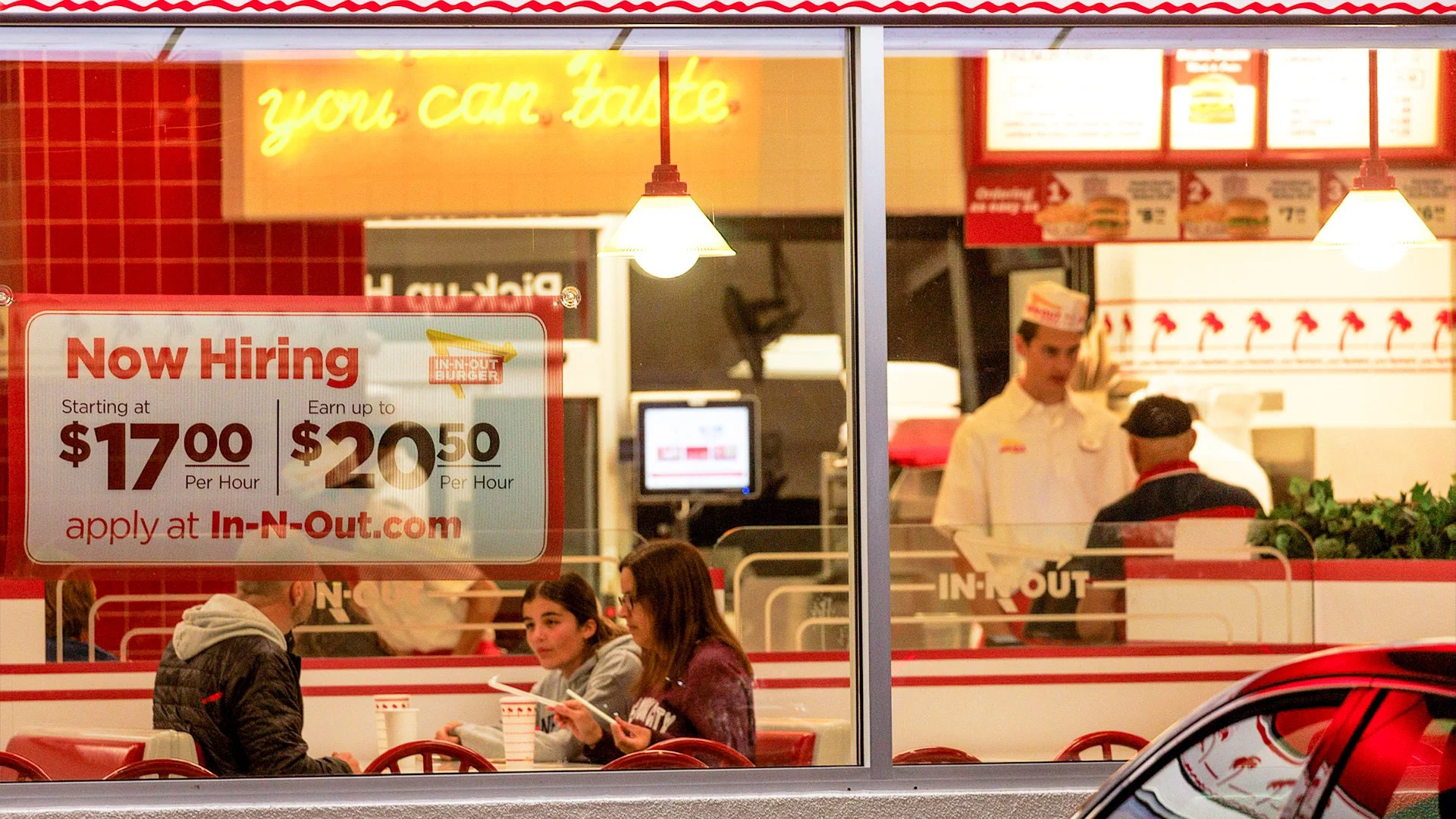
The Services PMI Dilemma: Growth Continues, But Jobs and Prices Soften—A Mixed Signal for the USD
Economic activity in the U.S. services sector, the largest component of the national economy, extended its growth streak in November 2025. According to the latest ISM Services PMI Report, the headline index rose slightly to 52.6%, up from 52.4% in October, marking the ninth time the index has been in expansion territory this year.

The Labor Market Cracks: ADP Report Reveals 32,000 Job Loss, Rocking the USD
The release of the November 2025 ADP National Employment Report delivered a profound shock to the market. Private employers did not just slow hiring; they actively cut 32,000 jobs, marking the weakest monthly performance since the acute disruptions of the post-pandemic era. This figure stood in stark contrast to consensus forecasts, which had generally anticipated a modest gain in employment.
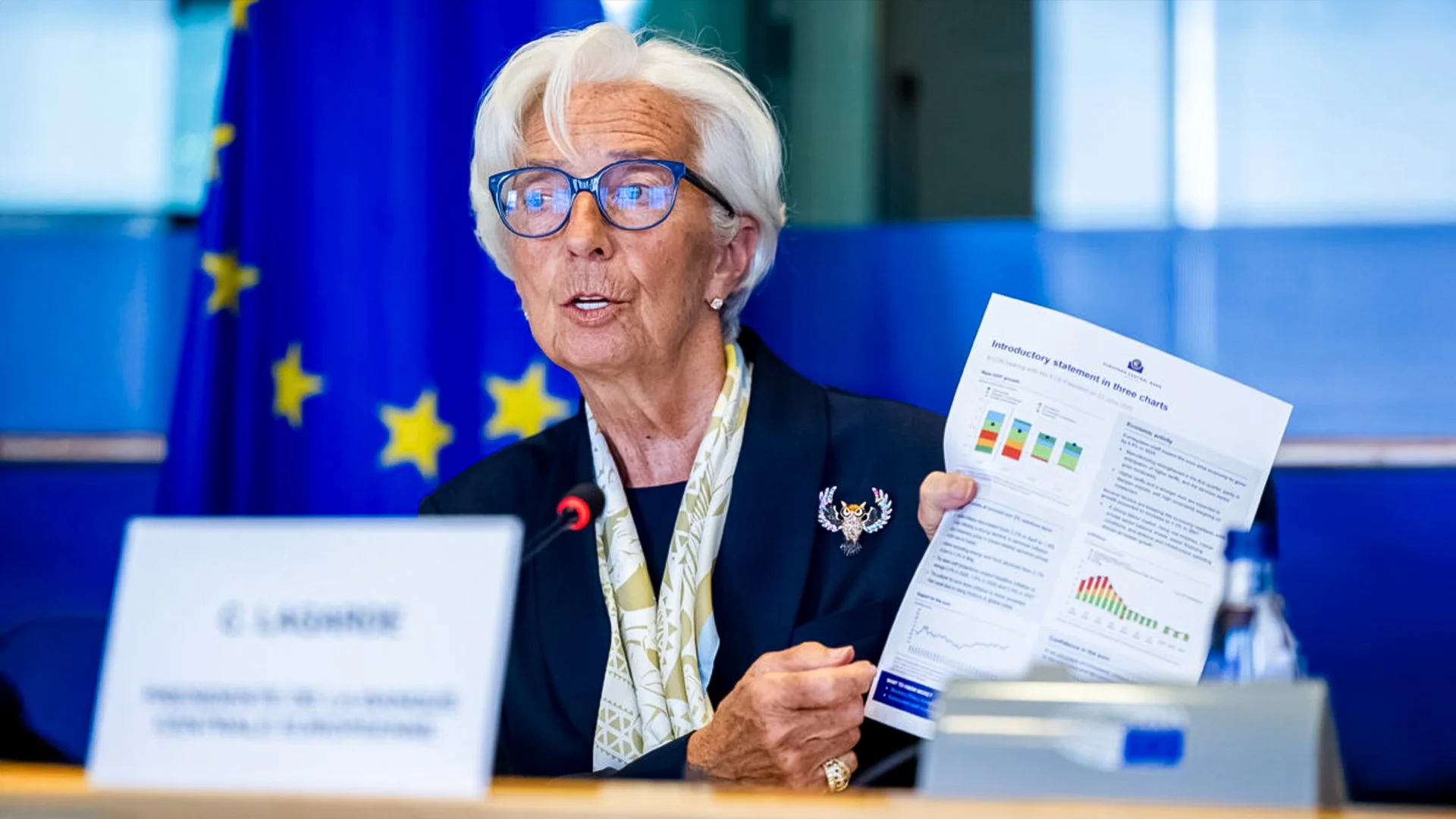
Lagarde's Arsenal: How the ECB Fights for Stability as the Euro Faces Global Headwinds
On December 3, 2025, European Central Bank President Christine Lagarde delivered a pivotal speech at the Hearing of the Committee on Economic and Monetary Affairs of the European Parliament. Her address centered on the ECB's comprehensive monetary policy toolkit, set against a backdrop of profound technological, geopolitical, and structural shifts.

Flatlining Prices: Swiss Inflation Hits 0.0%—A New Challenge for the CHF
The Swiss Federal Statistical Office reported that the country’s inflation rate reached a standstill in November 2025. The Consumer Price Index (CPI) dropped by 0.2% compared to the previous month (MoM), resulting in an annual inflation rate of 0.0% (YoY) compared with November 2024. This flat result, slightly below market expectations, places Switzerland's inflation firmly at the lower bound of the SNB's target range of 0% to 2%.

The Great Divide: Why Surging Meat Prices Couldn't Save the NZD's Commodity Index
The latest ANZ Commodity Price Index for November 2025 painted a picture of deep divergence within New Zealand’s critical export sectors. The ANZ World Commodity Price Index fell by 1.6% month-on-month (m/m), marking a pivotal moment as the overall index is now 0.2% lower than a year ago—the first annual fall recorded since December 2023.
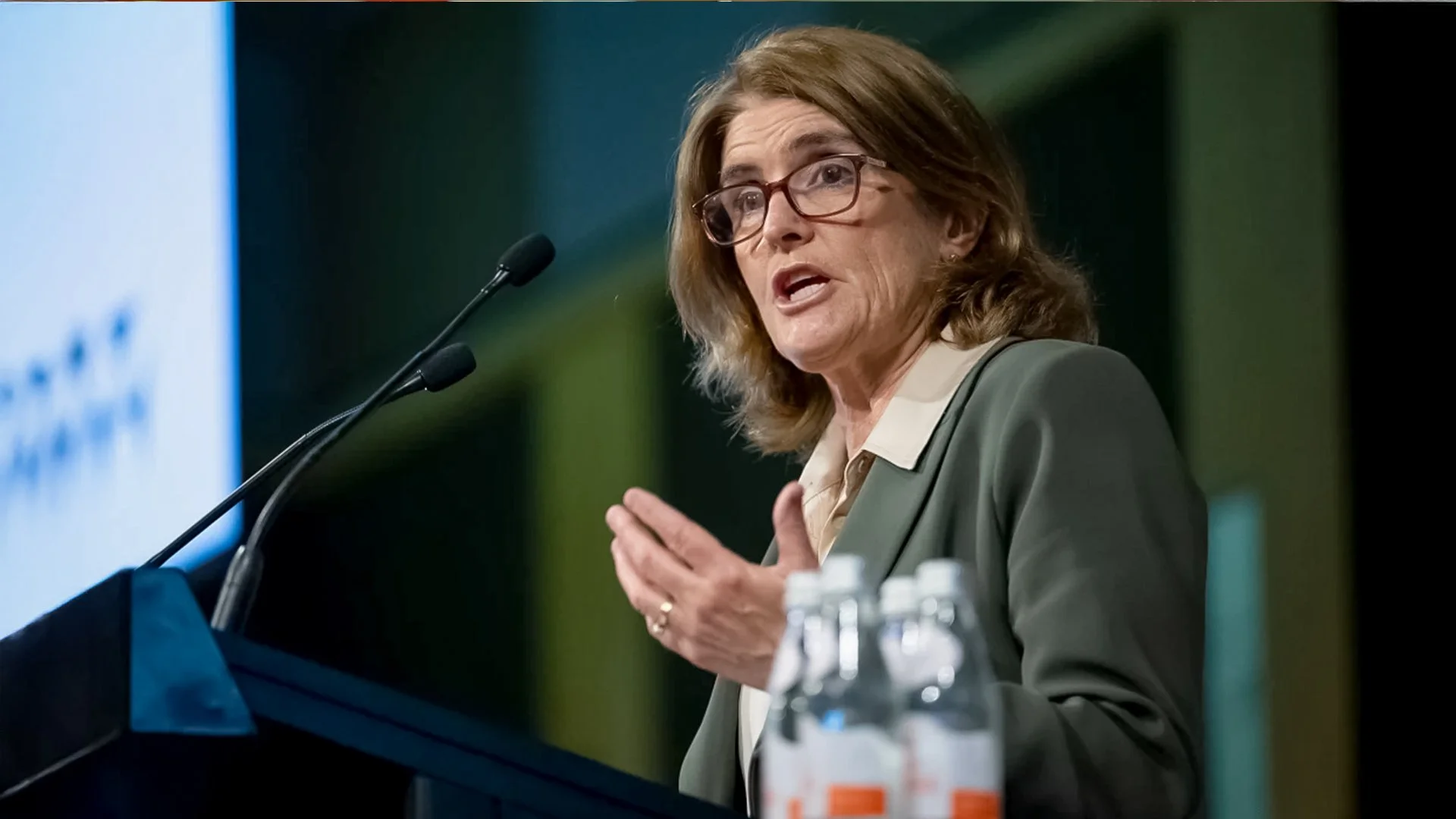
The Inflation Alarm: Why Persistent Price Pressures Could Force the RBA's Hand
Speaking before a parliamentary committee, RBA Governor Michele Bullock addressed the ongoing challenges in bringing inflation sustainably back into the central bank's 2% to 3% target band. Her comments signal that the RBA's current approach—which has seen the cash rate held steady in recent meetings—is under intense scrutiny, and the balance of risks is shifting.
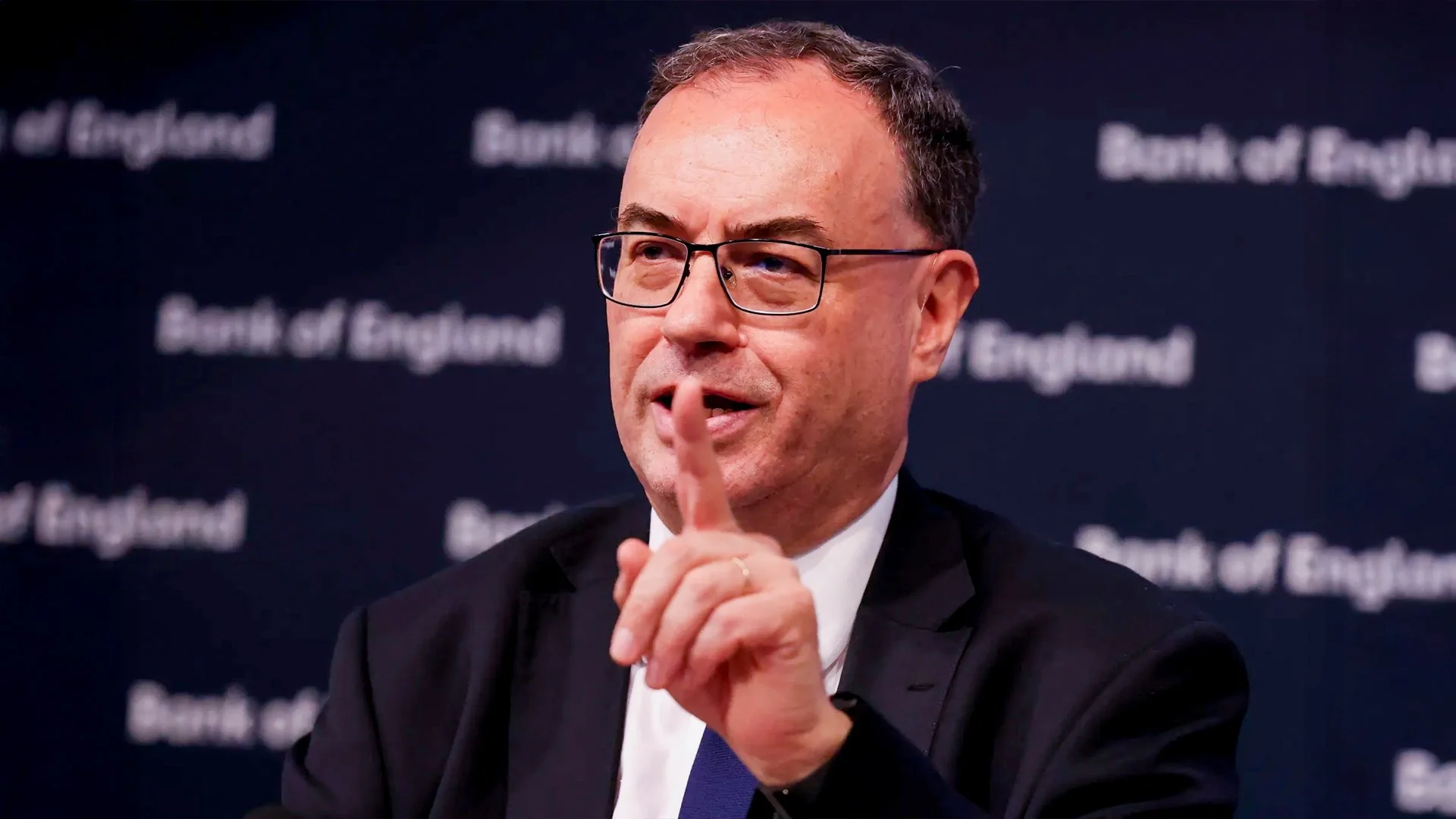
BoE's Bailey Unlocks Capital: Is the GBP Poised for a Lending Boom?
Bank of England Governor Andrew Bailey has delivered a critical message to the UK banking sector: it’s time to put capital to work. Following successful bank stress tests and the BoE’s recent decision to lower the capital benchmark for UK lenders (reducing the estimated Tier 1 capital buffer from around 14% to about 13% of risk-weighted assets), Bailey asserted that banks should "not keep higher levels of capital than needed."