


The Pulse of the Market: Understanding Price Auction Theory
In the world of trading, many beginners make the mistake of viewing price as a series of random zig-zags on a screen. However, professional traders—including the mentors at Global Markets Eruditio (GME Academy)—view the market through the lens of Price Auction Theory.
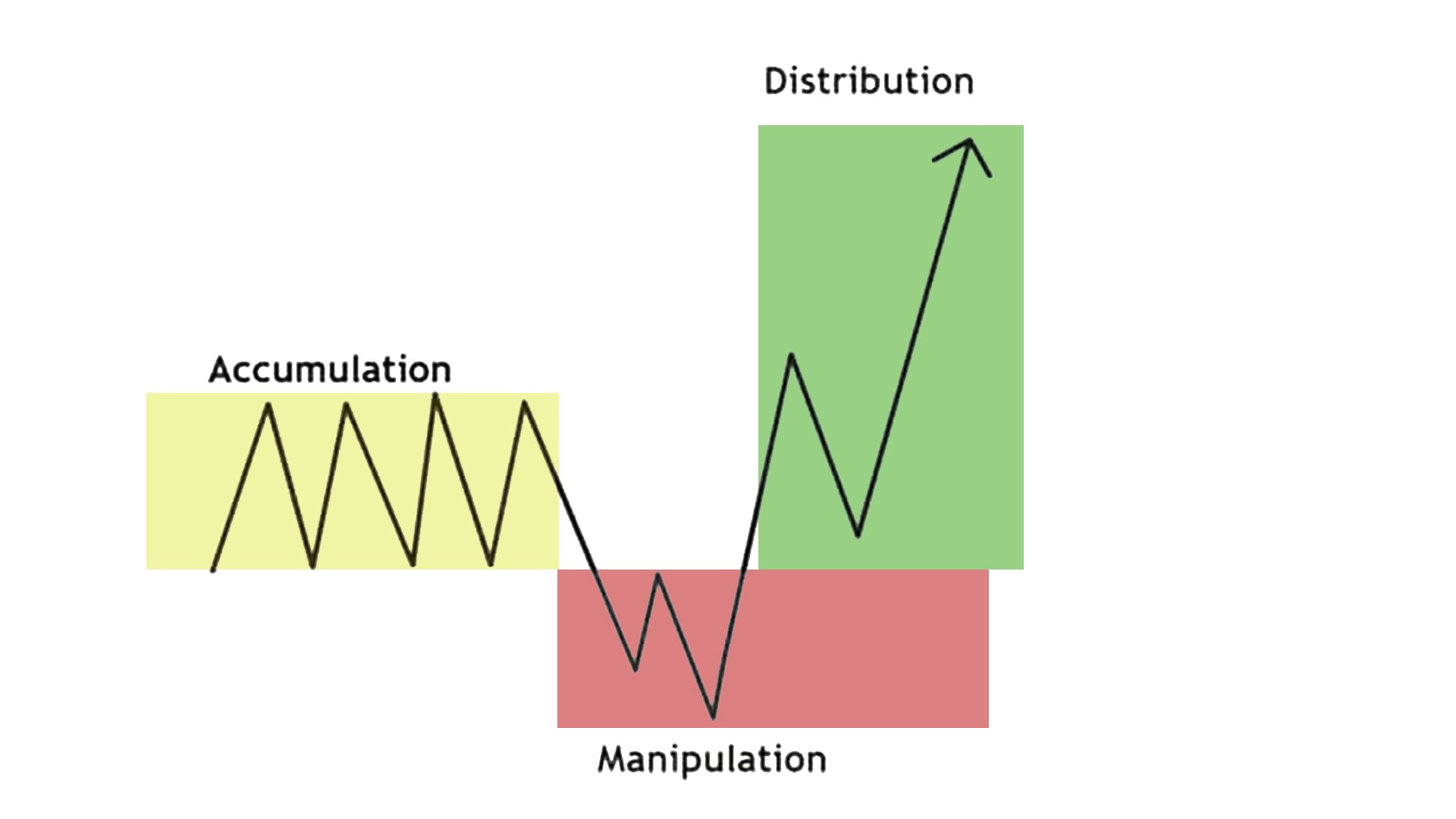
The Silent Engine of the Market: Understanding the AMD Cycle
If you have ever felt like the market "waited" for you to enter a trade just to hit your stop-loss and then move in your original direction, you haven't been cursed—you’ve likely been a victim of the AMD Cycle.
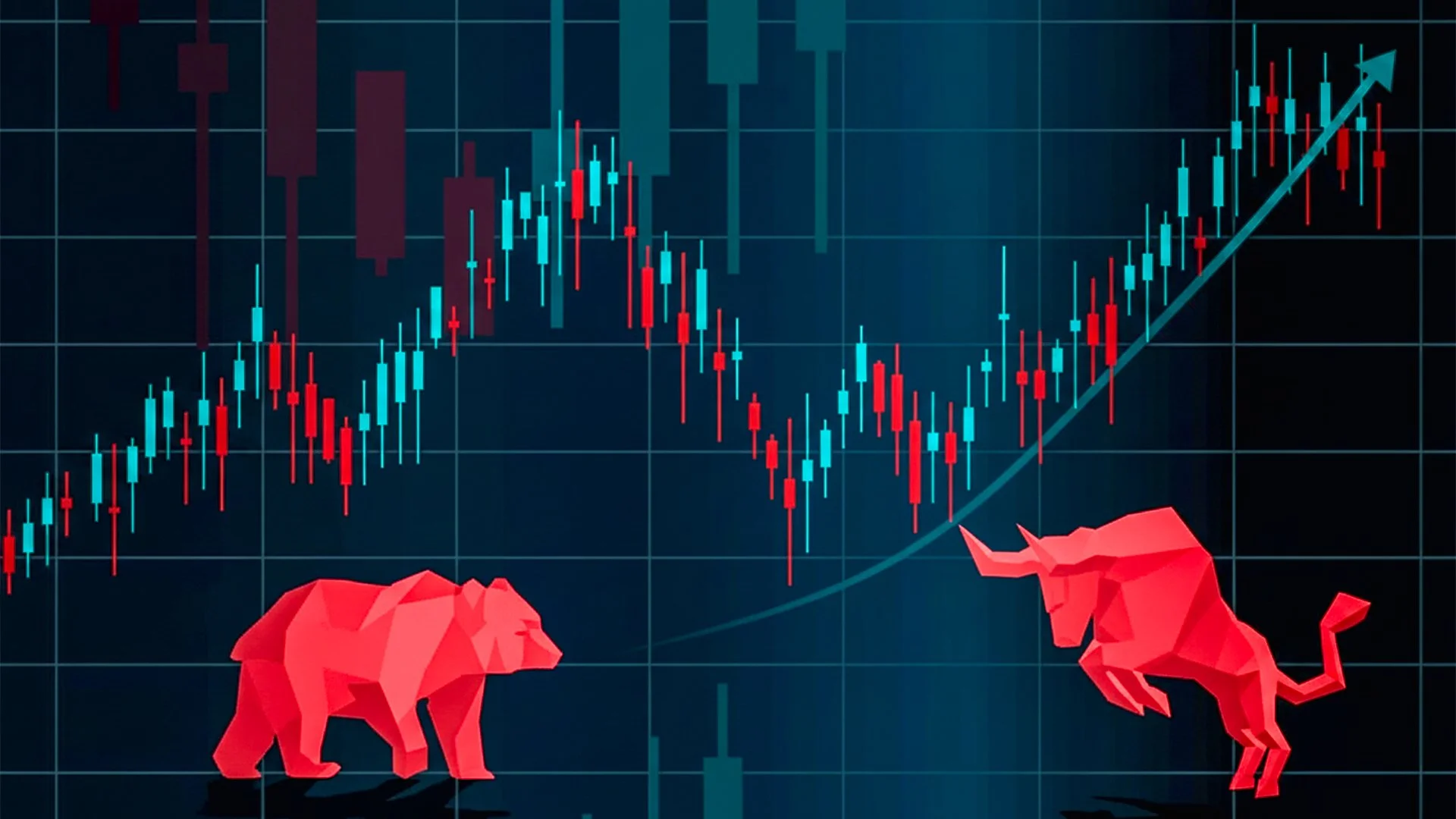
The Great Economic Elasticity: Why the Market “Returns to the Mean”
In the high-speed world of global finance, prices often behave like a stretched rubber band. They may fly to extreme highs during a "bull market" or snap down to terrifying lows during a crash, but eventually, they tend to snap back toward a central average.
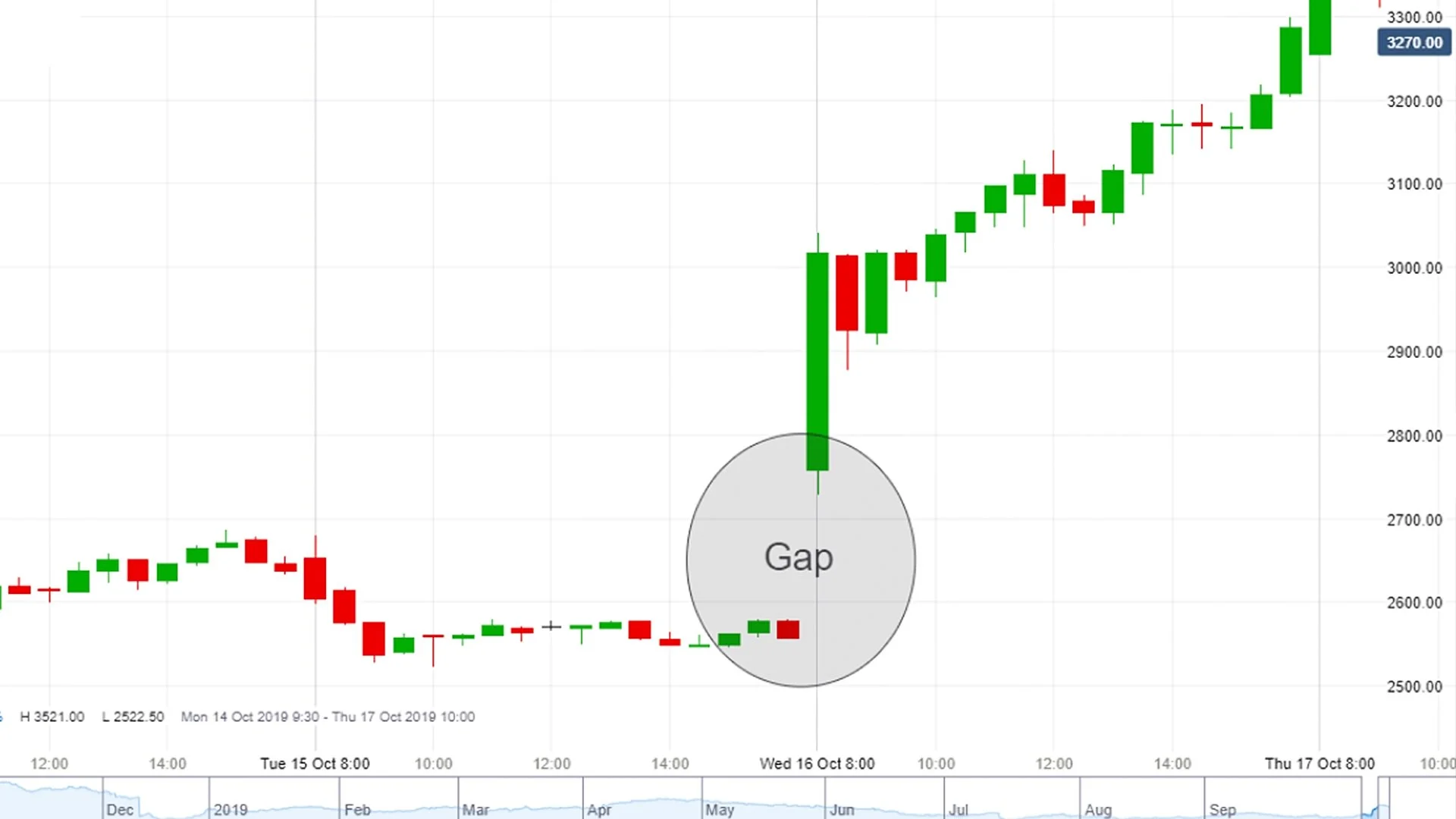
Riding the Morning Wave: A Guide to Trading Gaps and Market Open Volatility
The first hour of the trading day is often compared to the start of a wild horse race. For a few frantic minutes, orders that accumulated overnight or over the weekend flood the market, causing price "gaps" and intense volatility.
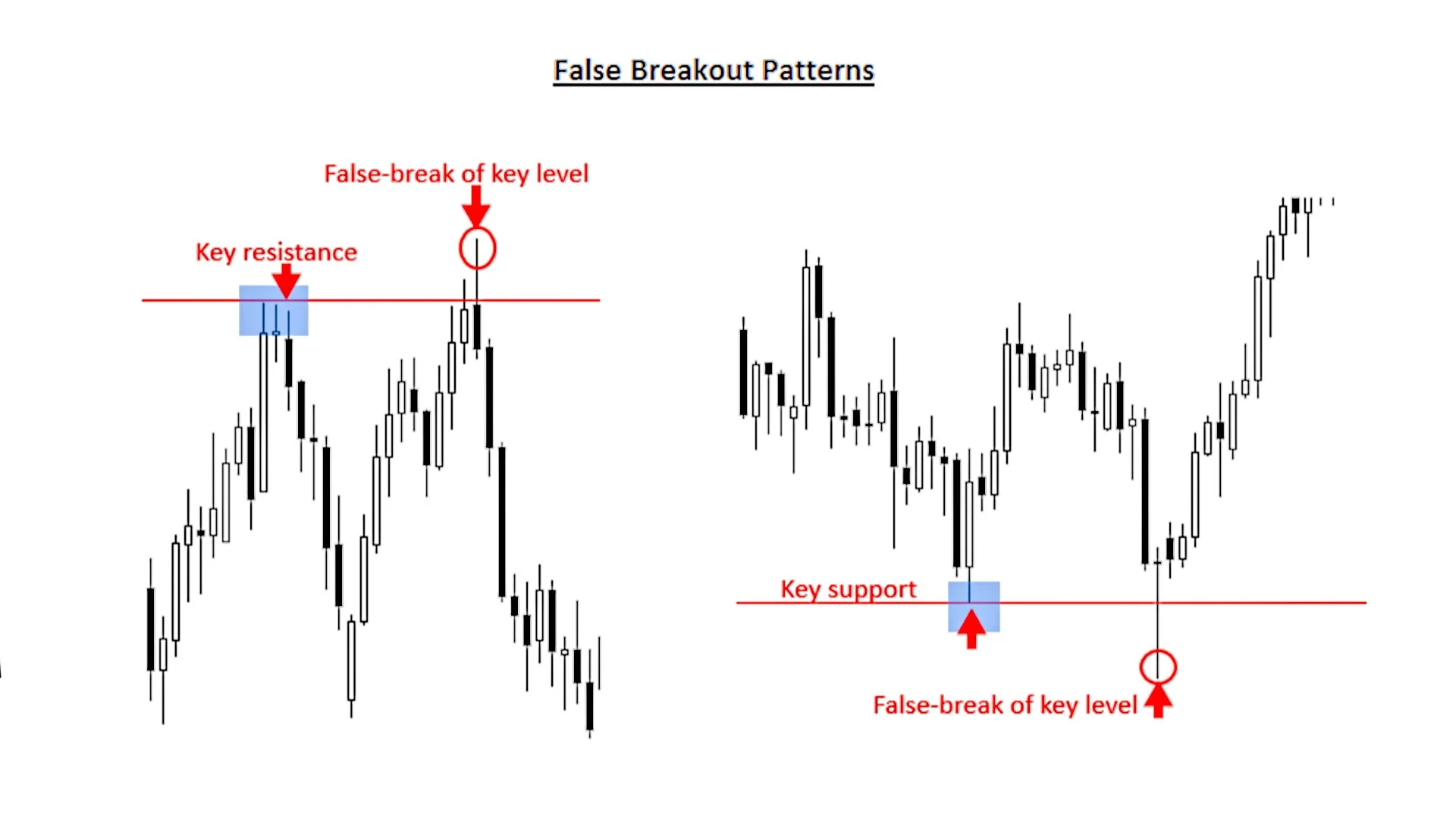
The Great Escape: Master the Art of Spotting True Breakouts Before the "Fakeout" Trap Snaps Shut
Every trader has been there. You’ve spent hours analyzing a consolidation zone on the EUR/USD. The price finally pierces the resistance level with a strong green candle. You enter a "Buy" order, convinced that the "Moon" is the next destination.
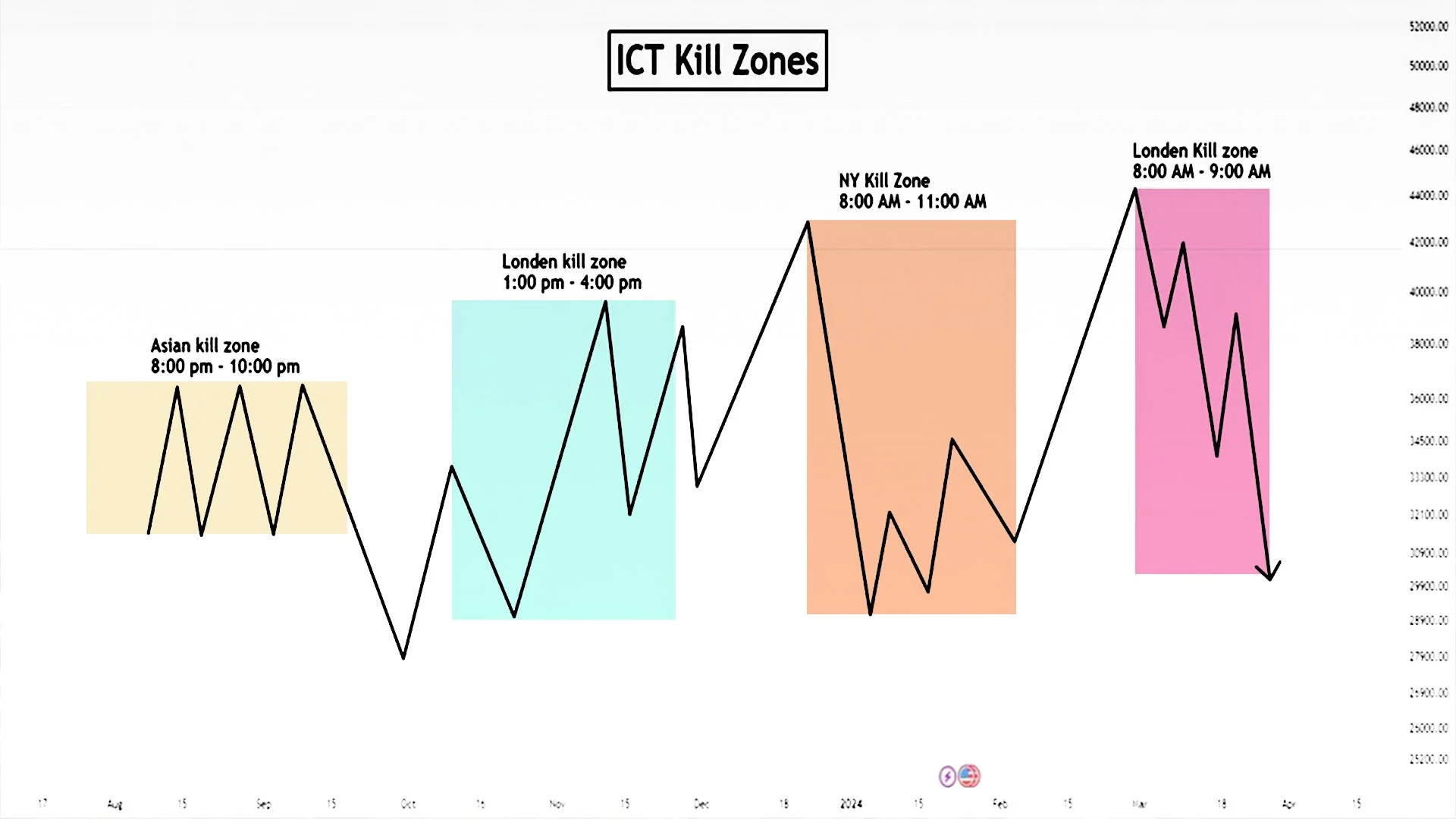
The Golden Hours: Harnessing the Explosive Power of the Asia-London-New York Overlaps
The 24-hour nature of the currency market is often described as a single, endless stream, but professional traders know the truth: it is a series of distinct "liquidity surges."

The Price Magnet: Unlocking the Secret Behind Market Reversals at 1.0000, 50.00, and Other Round Numbers
Why does the EUR/USD often stall at 1.1000? Why does a major stock struggle to break $100.00? This phenomenon, far from random, is a profound psychological principle that governs price action across all liquid markets, including Forex Trading.
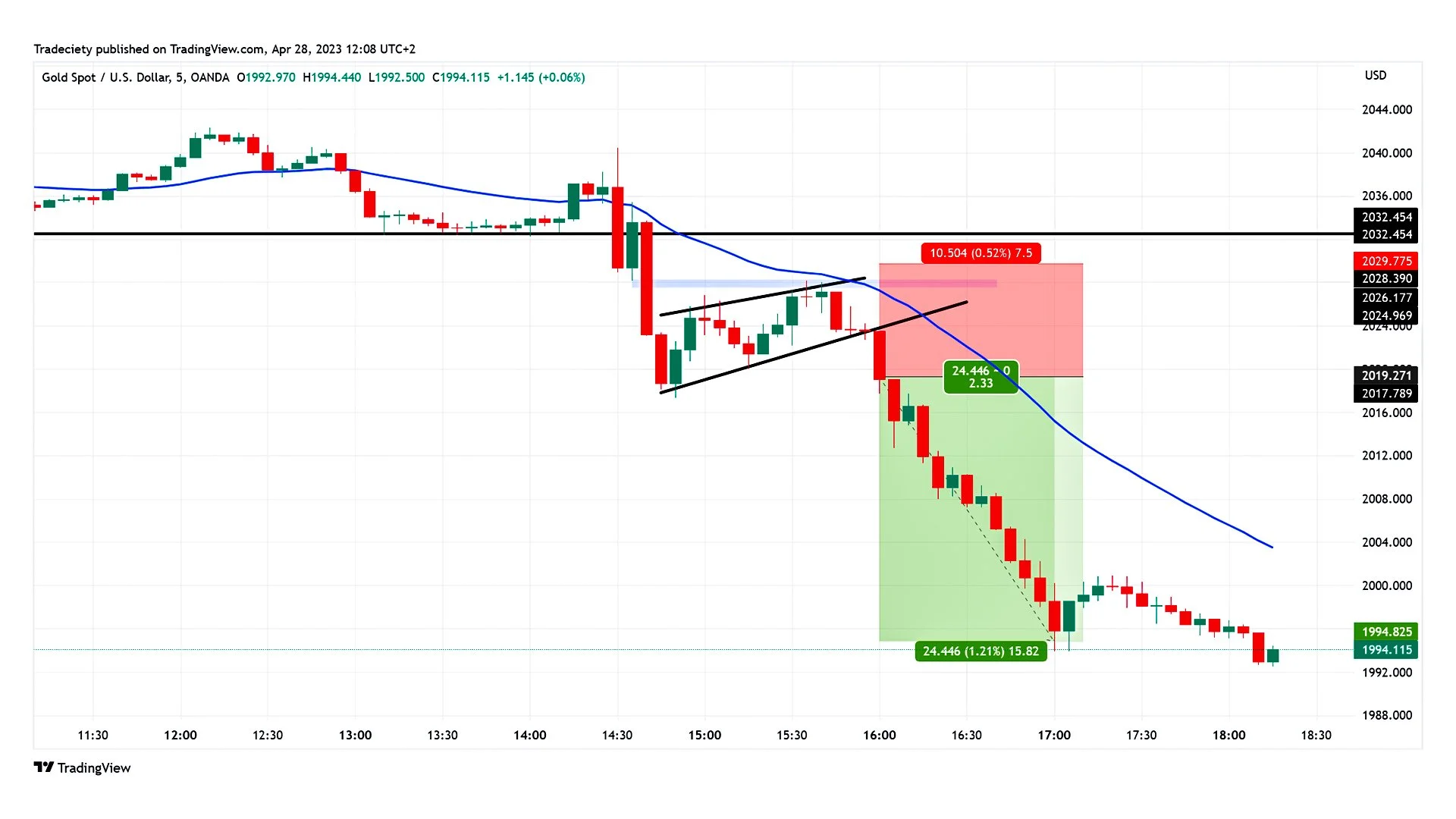
Zooming for Precision: Mastering Multiple Time Frame Analysis for Sniper-Like Entries
Successful trading is about probability and precision. Multiple Time Frame Analysis (MTFA), or the "Top-Down Approach," is a fundamental skill that transforms trading from a single-chart gamble into a high-conviction decision-making process.

Market Manipulation or Market Mechanics? Decoding the Fine Line That Separates Illegal Swindles from Sophisticated Trading
Every sudden price spike, deep plunge, or sharp reversal in the Forex market or stock indices raises a perennial question: Is this organic market behavior, or is it a calculated move to mislead traders?
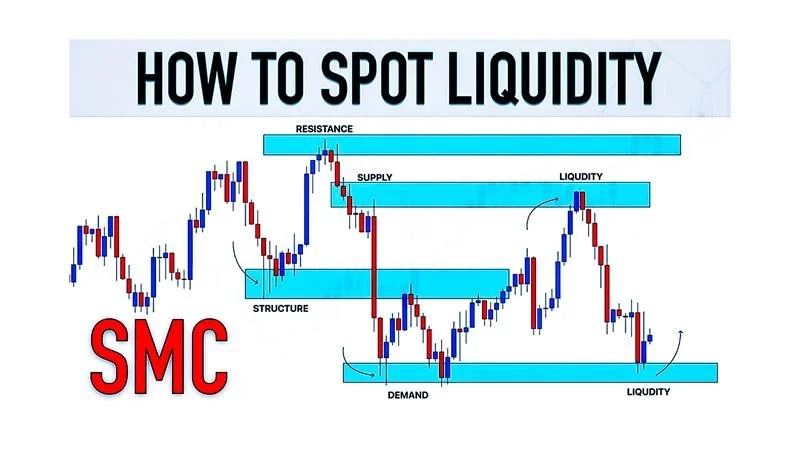
Liquidity Pools: The Smart Money’s Hunting Grounds—Where Price is Programmed to Strike
In the world of Forex Trading, the concept of Liquidity Pools is key to understanding institutional movements. These are not just random clusters of orders; they are predictable price levels—the "Big Money Zones"—where retail traders place their stop-loss orders.

The Imbalance Magnet: Trading Fair Value Gaps (FVG) and the Smart Money Footprint
The Fair Value Gap (FVG), often synonymous with a price imbalance or inefficiency, has become a cornerstone of modern Forex Trading strategies, particularly within the Smart Money Concepts (SMC) framework.
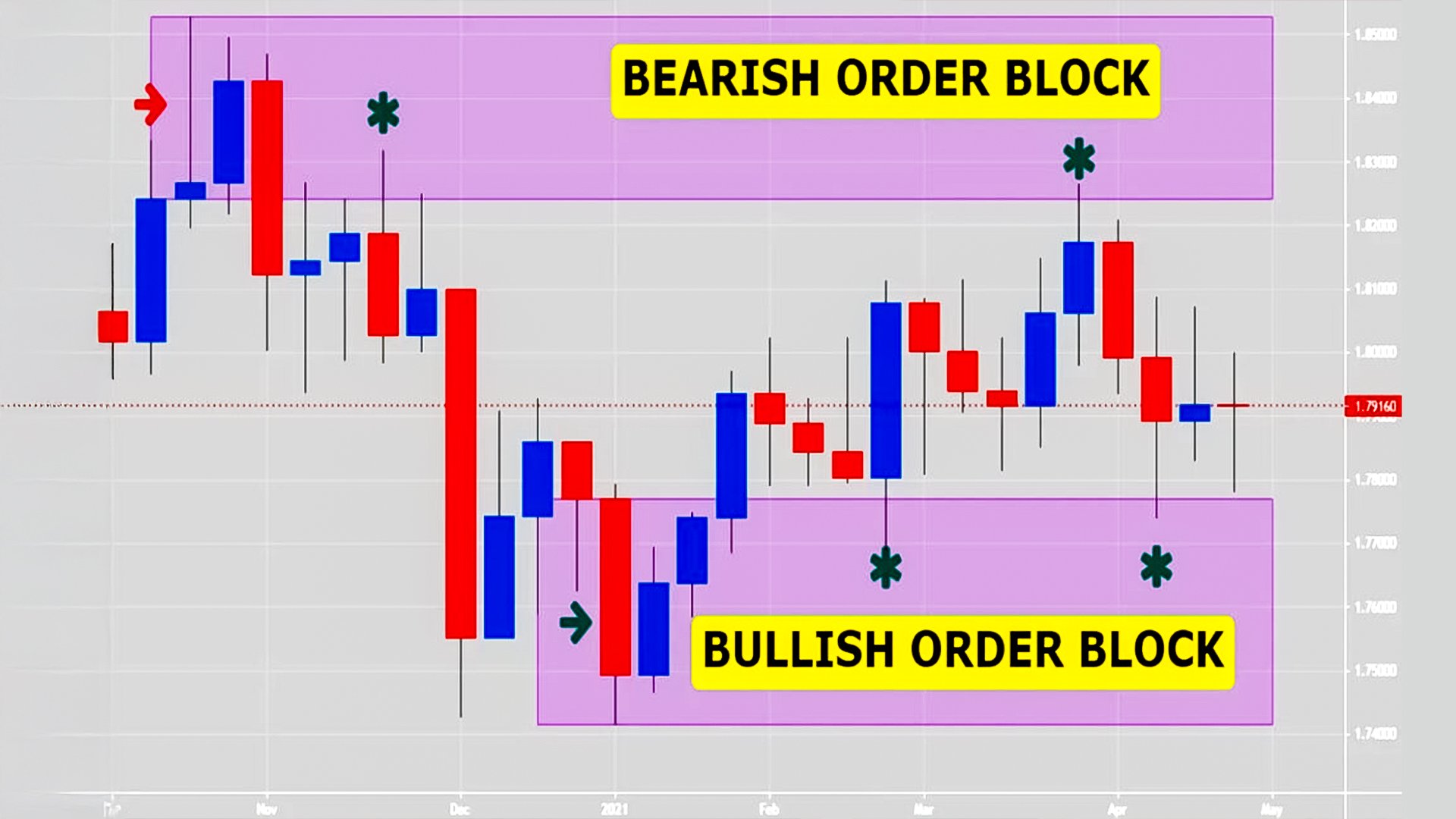
Unlocking the Code: Order Blocks Explained—The Institutional Footprint in Forex Trading
Tired of trading against the "Smart Money?" Order Blocks (OBs) are the foundational concept in Smart Money Concepts (SMC), representing the visible footprint left by banks and large financial institutions as they execute massive buy or sell orders
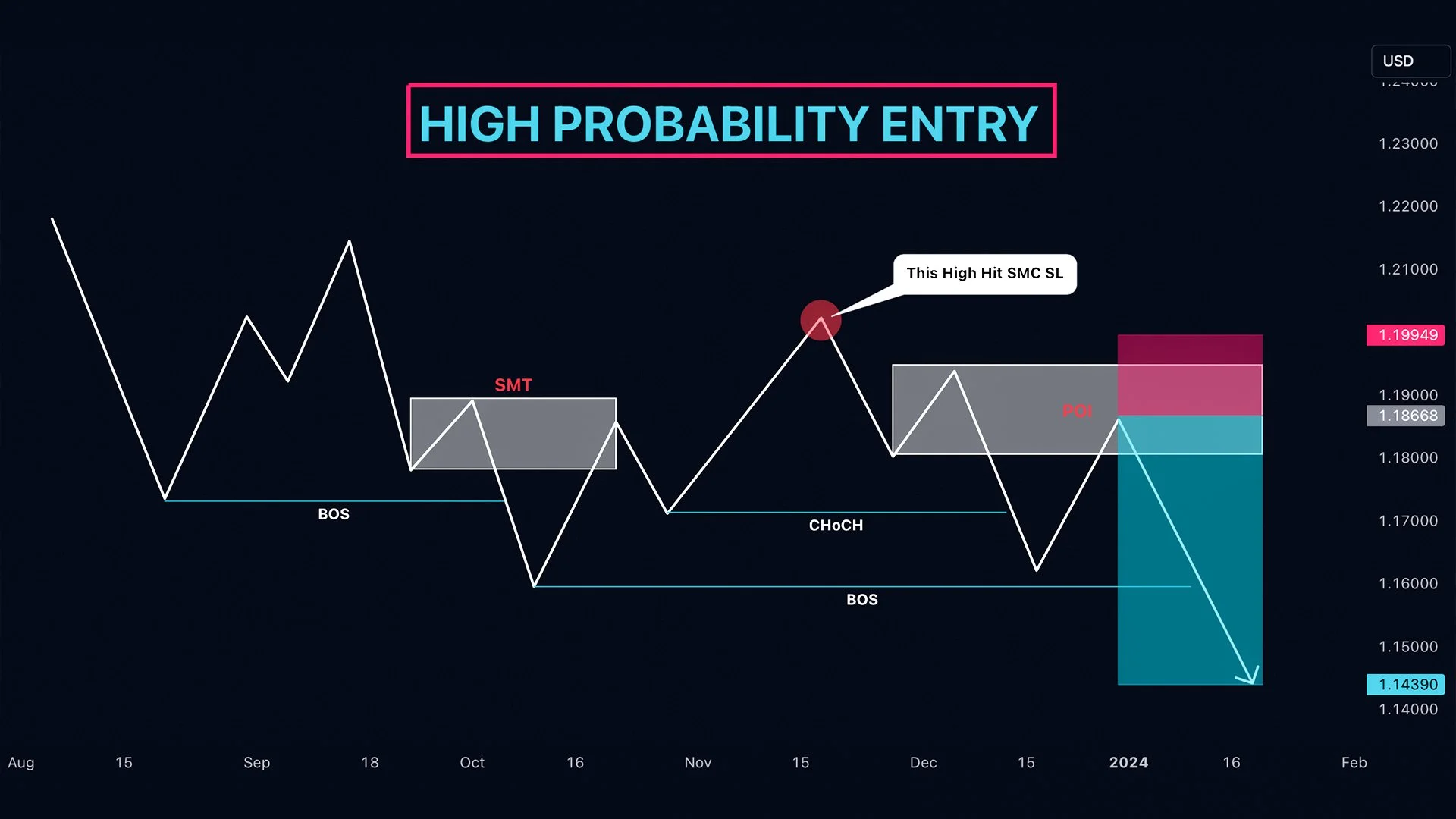
Trading the Institutional Footprint: Mastering Smart Money Concepts (SMC) for Forex Success
The vast majority of retail traders operate using technical indicators or patterns that, unfortunately, are often exploited by large financial institutions—the "Smart Money." These large banks, hedge funds, and market makers create market movements, often pausing just long enough to trap retail traders before making the decisive move.
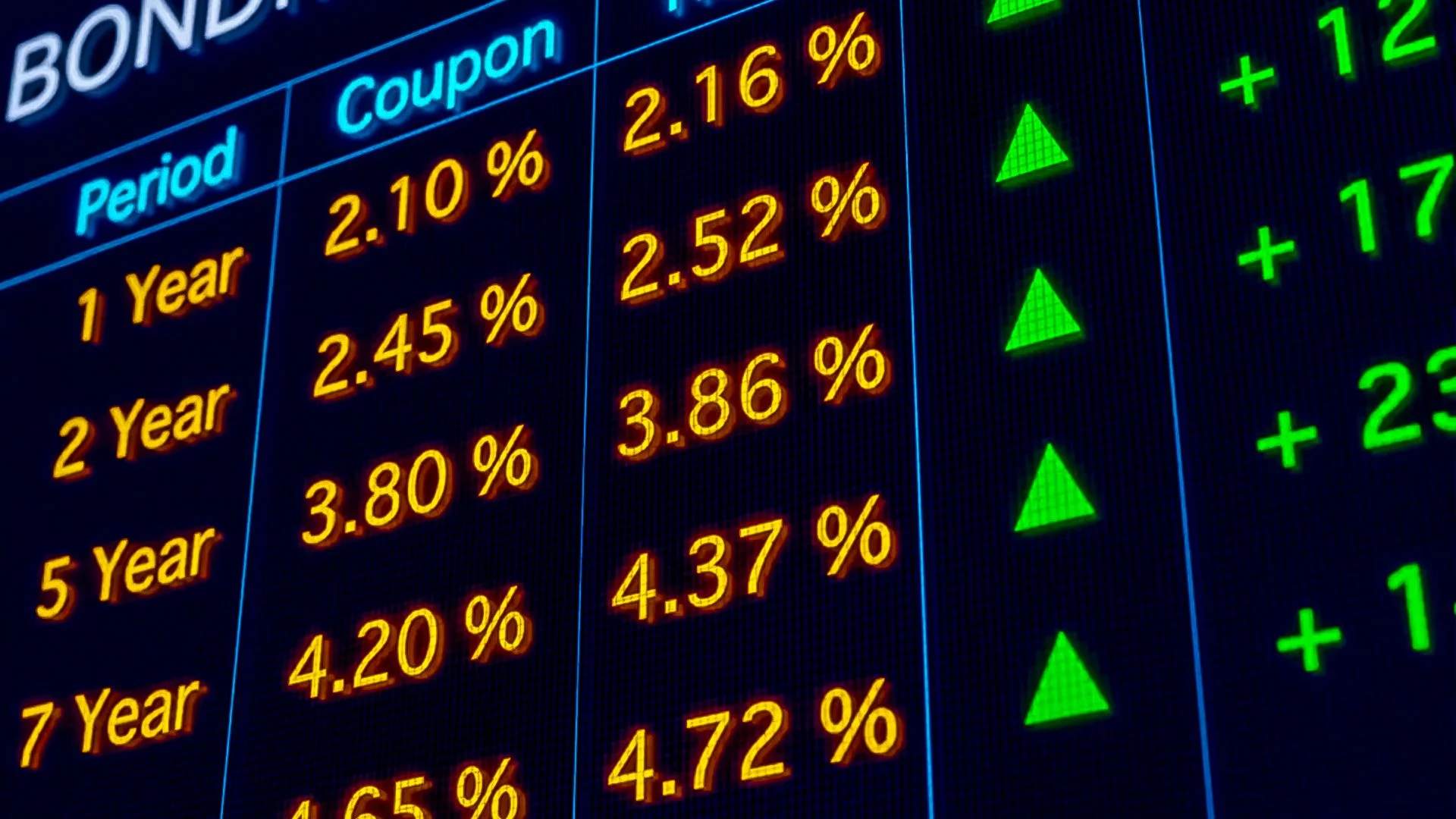
The Unbreakable Link: How Bond Yields Dictate Currency Correlation in Forex Trading
The global Forex market operates on the perpetual movement of capital seeking the highest safe return. In the world of finance, the safest return is typically offered by sovereign bonds—debt issued by governments, such as U.S. Treasuries, German Bunds, or Japanese Government Bonds (JGBs).

Decoding the Checkout: Why Retail Sales Are the Forex Market’s Loudest Whisper
The concept of Retail Sales is simple: it measures the total receipts from merchandise sold by retail businesses over a defined period. Yet, this figure holds immense power, acting as a crucial indicator of the economic pulse.
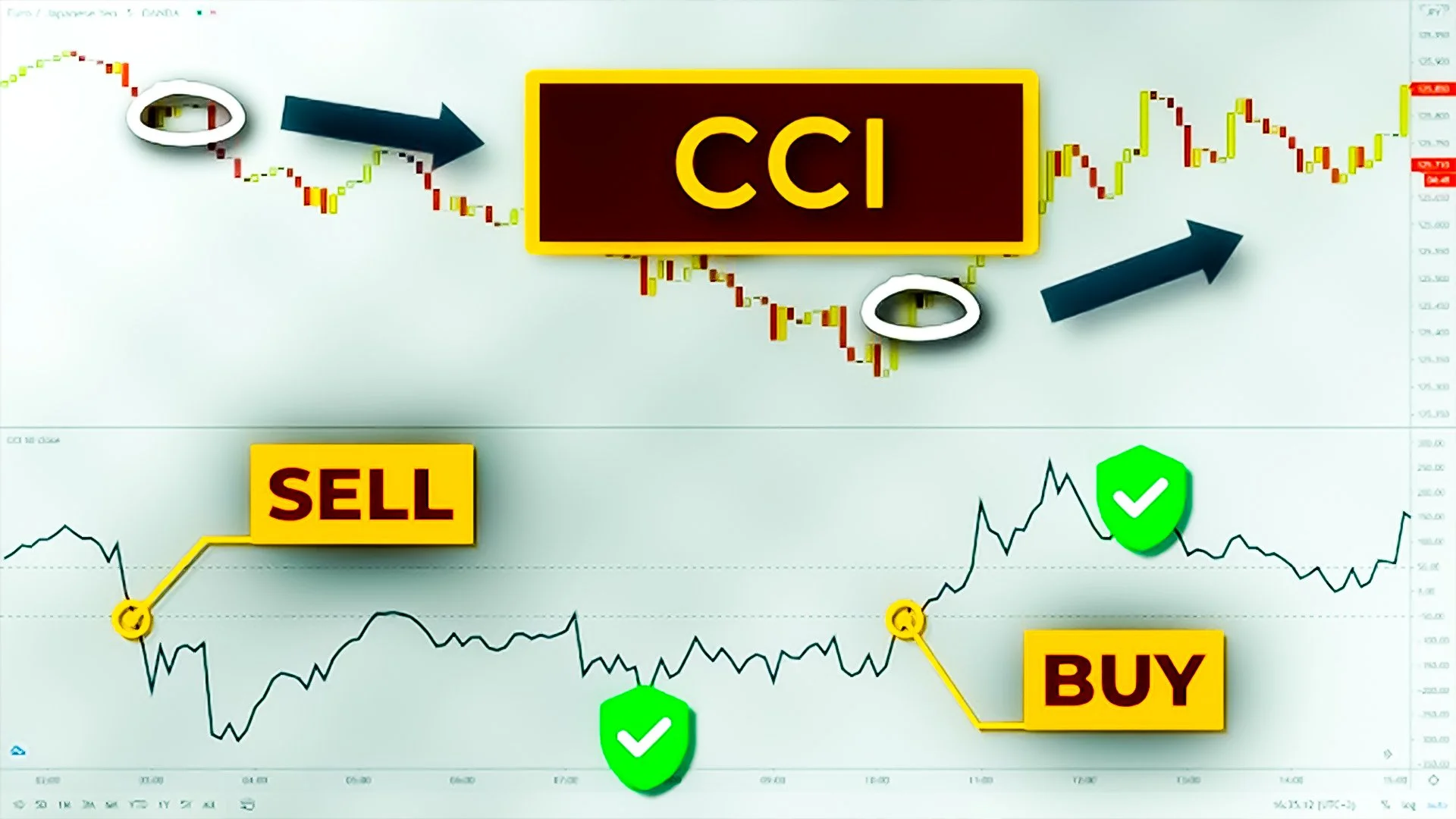
The Confidence Conundrum: Why the Consumer Confidence Index Is a Ticking Clock for Forex Trading
For a nation like the United States, consumer spending fuels roughly 70% of economic activity. Therefore, knowing how consumers feel about the economy is often more important than knowing what they did last month. This psychological barometer is precisely what the monthly Consumer Confidence Index (CCI), released by The Conference Board, attempts to quantify.
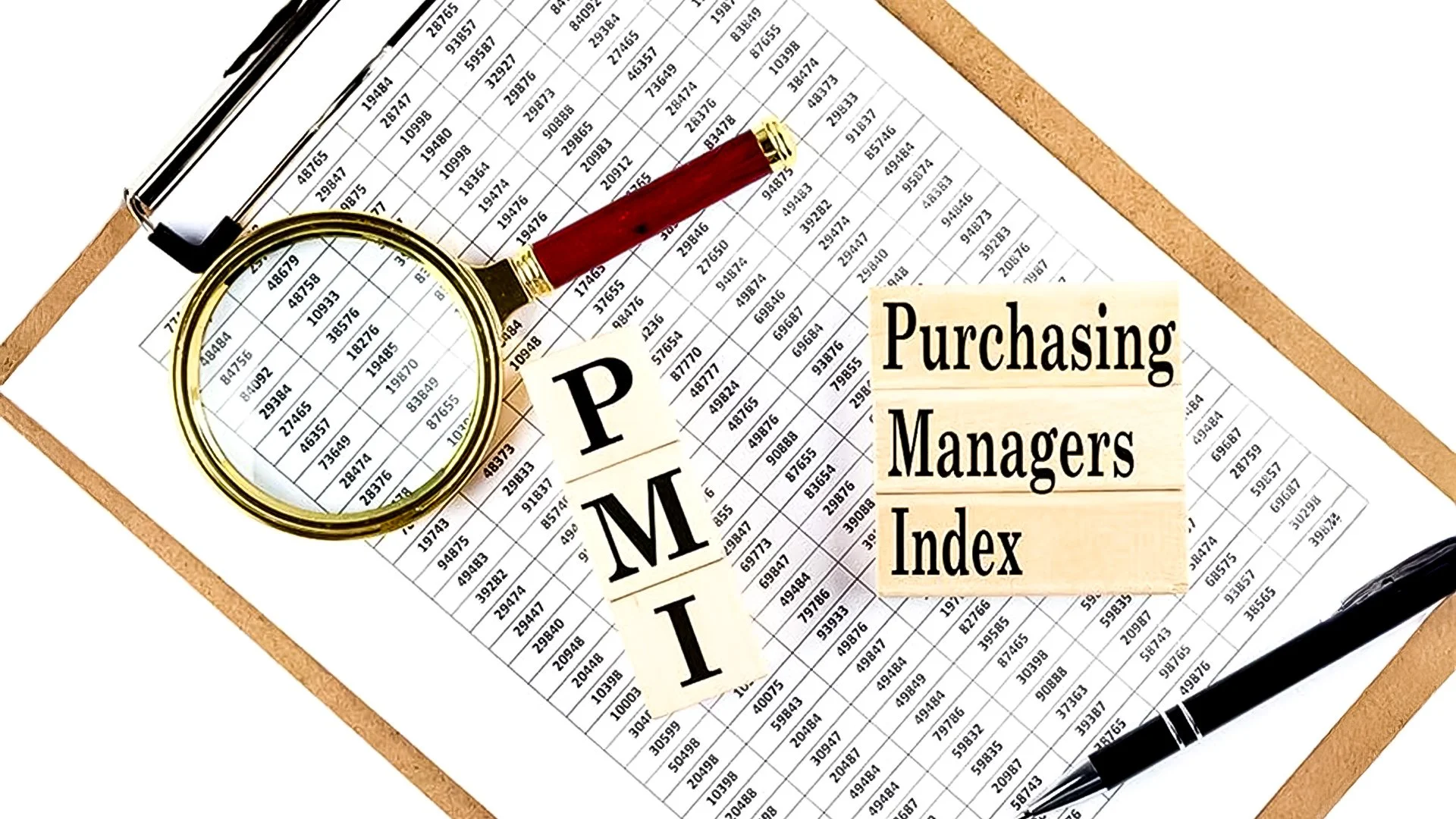
The Trader's Crystal Ball: How the PMI Predicts Currency Movement
For traders and analysts seeking an early read on the global economy, the Purchasing Managers’ Index (PMI) is an indispensable tool. Released monthly, the PMI is a snapshot of current business conditions, derived from a survey of senior executives—the purchasing managers—who are often the first to feel changes in demand and supply.

Trade Deficits vs. Surpluses: Unpacking the Balance of Trade's Currency Impact
In the complex ecosystem of international finance, few economic indicators hold as much sway over a nation's currency as the Balance of Trade. This simple yet powerful metric, representing the difference between a country's exports and imports over a period, offers a snapshot of its economic health, global competitiveness, and its net flow of goods and services with the rest of the world.

This Christmas, Give Yourself the Gift of No Stress.
Christmas is for spending, but it can also be for growing. Discover 3 simple ways to enjoy the holidays while protecting your wallet and preparing for a brighter financial future.
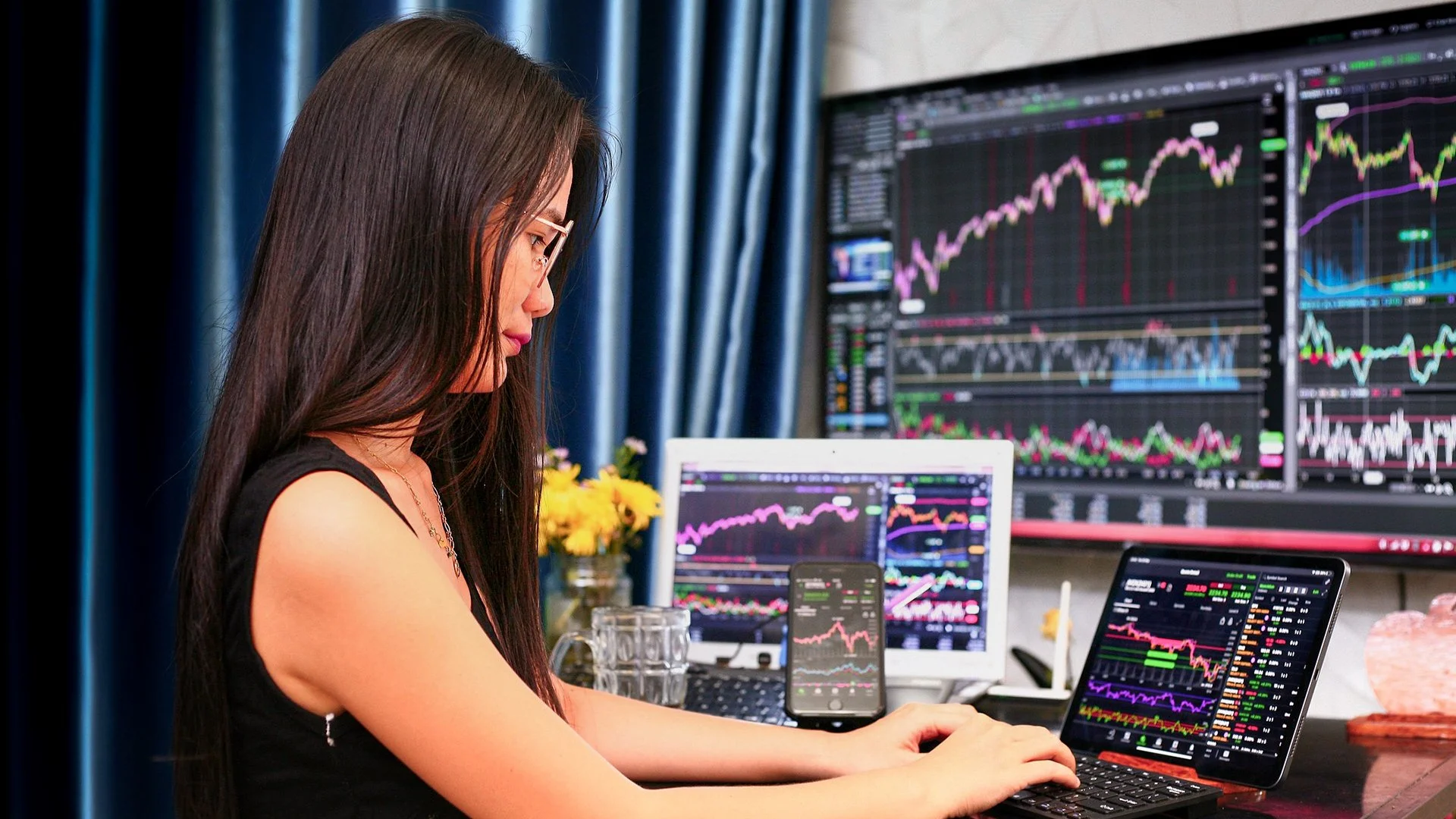
From Red to Recovery: Mastering the Psychology of Trading Drawdowns
In the unforgiving world of financial markets, the phrase "drawdown" often sends shivers down a trader's spine. A drawdown is simply the peak-to-trough decline in an investment, trading account, or fund during a specific period.